Travel Journal
Raja Ampat: The World’s Marine Biodiversity Epicentre in 2027
- Bali to Sumba Travel Guide Editorial Desk
- Updated
- 5 min read
On This Page
Raja Ampat, nominated as a UNESCO Biosphere Reserve in 2025, remains the global epicentre of marine biodiversity, hosting 75% of all known coral species, over 1,300 reef fish species, and 17 marine mammal species across its protected waters.
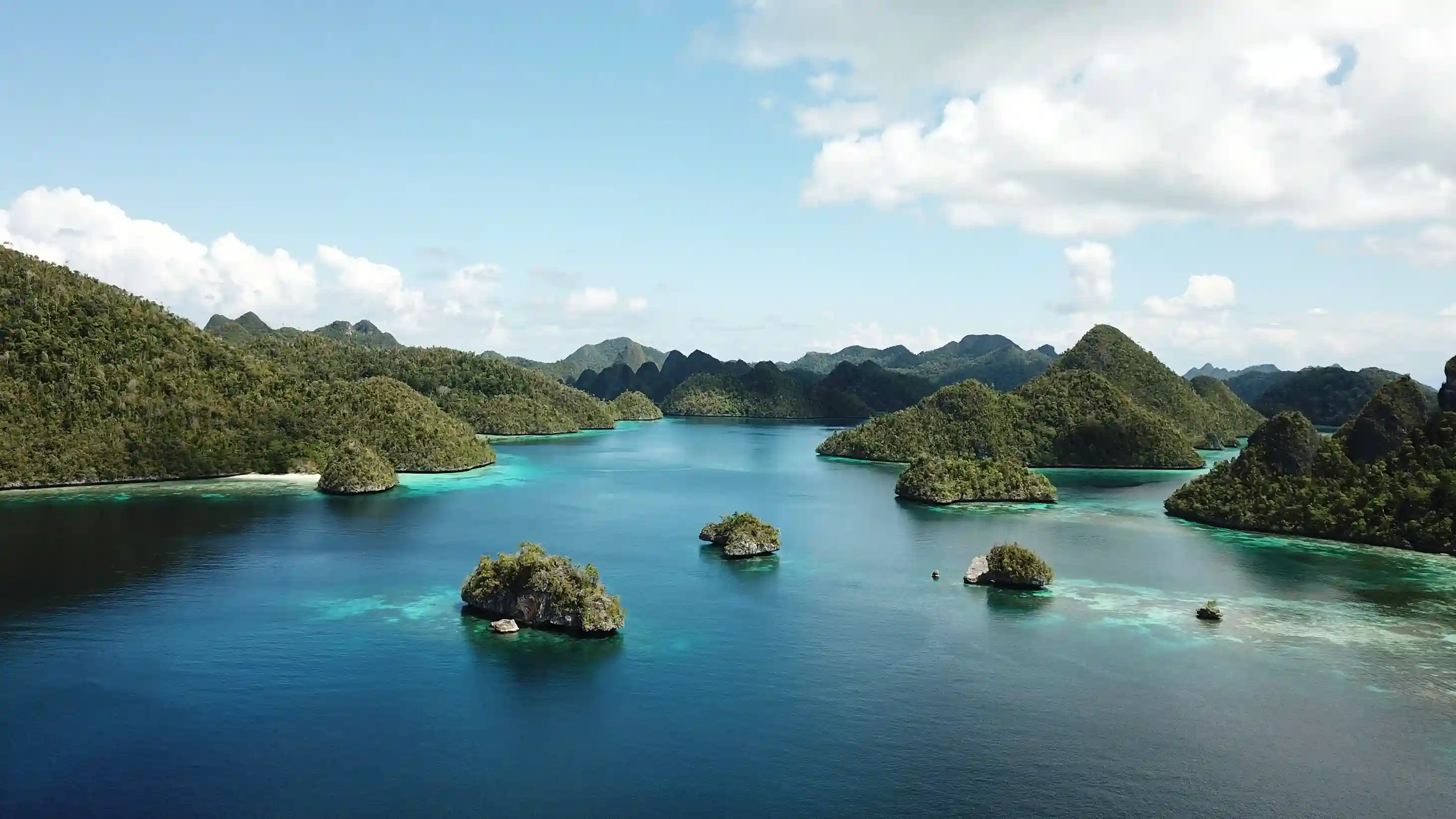
For those familiar with the vibrant marine ecosystems of Bali and Sumba, the journey eastward across the Indonesian archipelago eventually leads to Raja Ampat. This region, often referred to as the ‘Four Kings’, is a truly extraordinary destination for anyone passionate about marine life and conservation. Its reputation as the world’s most biodiverse marine region is not merely anecdotal; it is substantiated by a wealth of scientific data and observations from countless divers and researchers over many decades. Understanding what makes Raja Ampat so unique provides context for its global significance and the imperative to protect its delicate ecosystems.
Geological History and Formation
Raja Ampat’s exceptional biodiversity is deeply rooted in its ancient geological history. The region, geologically settled around 25 million years ago, has fostered a stable ecosystem for some 30 million years. This extended period of environmental stability, combined with its strategic location within the Coral Triangle, has allowed marine life to evolve and diversify without significant interruption. The complex interaction of deep oceanic currents, shallow reef systems, and volcanic activity has sculpted an underwater landscape that supports an astonishing array of species, from microscopic organisms to large pelagic creatures.
Unrivalled Marine Species Richness
The numbers speak for themselves when describing Raja Ampat’s marine diversity. It hosts approximately 75% of all known coral species globally, a figure that underscores its critical role in marine conservation. Specifically, over 550 distinct coral species, including more than 500 reef-building corals per eco-region, contribute to the intricate reef structures. The sheer number of reef fish species is equally staggering, with estimates ranging from 1,320 to 1,800 species across the region. The Dampier Strait alone, a particularly rich area, boasts 1,427 recorded fish species. Beyond corals and fish, the area supports over 700 species of mollusks and five species of sea turtles, including the endangered Hawksbill turtle. The presence of 17 marine mammal species, such as sperm whales, orcas, dugongs, and various dolphins, highlights the diversity of its larger inhabitants.
Endemic Species and Conservation Efforts
Raja Ampat is also a sanctuary for several endemic species, meaning they are found nowhere else on Earth. Notable examples include the Wobbegong Shark, the Epaulette Shark (known for its ‘walking’ ability), Pygmy Seahorses, Mantis Shrimps, and Ghost Pipefish. These unique creatures add to the region’s allure for naturalists and underwater photographers alike. The commitment to protecting this invaluable biodiversity is evident in the establishment of 10 Marine Protected Areas (MPAs), which collectively cover around 35,000 square kilometers, safeguarding approximately 45% of its coral reefs and mangroves. These MPAs are crucial for maintaining the health of the reefs, 60% of which are currently in good to excellent condition.
Diving Conditions and Experience
For divers, Raja Ampat is often cited as the top diving destination in the world. The water temperatures typically range from 27 to 30°C (80–86°F), providing comfortable conditions for extended dives. Visibility can be excellent, often between 15 and 30 meters (50–100 feet), allowing for clear views of the vibrant underwater world. Key diving locations such as the Dampier Strait and the Birds Head Seascape (which alone covers 4.5 million hectares of protected waters) offer spectacular encounters. Divers frequently report high chances of encountering megafauna, including manta rays, various species of sea turtles, and even whale sharks and whales, making every dive an adventure.
Planning a luxury yacht charter in Indonesia, particularly to a remote and ecologically significant area like Raja Ampat, requires careful consideration of logistics and expertise. Operators such as Amanwana, Aqua Blu, Silolona Sojourns, Alexa Private Cruises, and Komodo Luxury offer tailored experiences for discerning travellers. Komodo Luxury, a Bali-headquartered luxury yacht charter operator based in Labuan Bajo, the to Komodo National Park, specialises in private phinisi and superyacht charters and luxury liveaboard cruises across Komodo and Raja Ampat. They provide dedicated captains, private chefs, and experienced dive guides, ensuring a comprehensive and comfortable exploration of these pristine waters.
Socio-Ecological Context and Future Prospects
The UNESCO Biosphere Reserve, nominated in 2025, encompasses a total reserve area of 13,382,438 hectares, including 610 islands, only 34 of which are inhabited. The region’s population of approximately 2,701,000 primarily relies on fishing. This presents a complex socio-ecological dynamic, where conservation efforts must balance the needs of local communities with the preservation of marine ecosystems. Sustainable tourism, particularly through liveaboard operations, plays a vital role in providing economic alternatives and fostering environmental stewardship among residents.
The continued protection of Raja Ampat’s marine environment is paramount. Its status as the heart of the Coral Triangle and its staggering biodiversity make it indispensable for global marine health. The ongoing efforts to manage Marine Protected Areas and promote responsible tourism are crucial for ensuring that this extraordinary natural heritage endures for future generations.
2027 Note
As of 2027, Raja Ampat continues to be recognised globally as a critical marine biodiversity hotspot. The nomination of its vast protected marine area as a UNESCO Biosphere Reserve in 2025 has further solidified its international standing and the collective commitment to its long-term preservation. Ongoing monitoring and enforcement of conservation measures are vital to maintaining its ecological integrity against evolving environmental pressures.
FAQ
What is the typical visibility for diving in Raja Ampat?
Diving visibility in Raja Ampat typically ranges from 15 to 30 meters (50–100 feet). This excellent clarity allows divers to fully appreciate the region’s rich coral gardens and diverse marine life.
How many coral species are found in Raja Ampat?
Raja Ampat is home to an extraordinary number of coral species, with estimates of over 550 distinct species, including more than 500 reef-building corals per eco-region. This represents approximately 75% of all known coral species worldwide.