Travel Journal
Exploring Sumba: A Unique Addition to Your Bali Trip in 2027
- Bali to Sumba Travel Guide Editorial Desk
- 6 min read
On This Page
Experience a unique combination in 2027 by adding Sumba to your Bali itinerary. Discover the contrasting beauty and culture of these Indonesian islands for an unforgettable journey.
Bali to Sumba Unique Trip 2027
As travellers seek to diversify their adventures, the combination of Bali and Sumba in 2027 offers a distinct and enriching experience. Sumba’s traditional villages, stunning landscapes, and serene beaches provide a refreshing contrast to Bali’s atmosphere. This guide explores why adding Sumba to your Bali trip in 2027 can create a truly unique travel story.
What Makes Sumba a Unique Destination to Add to a Bali Trip in 2027?
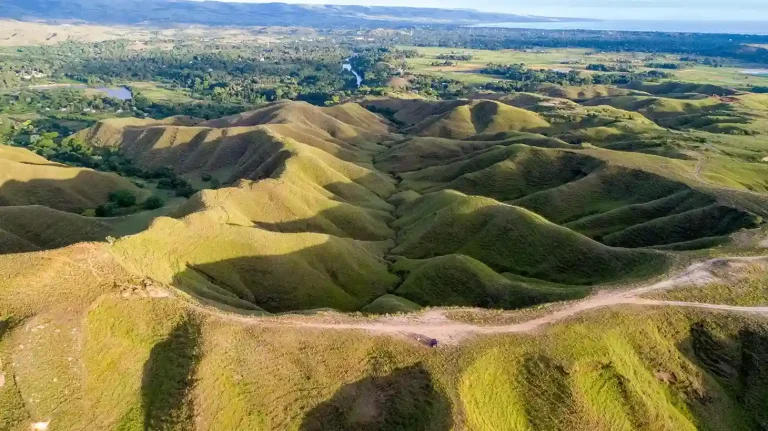
Sumba offers an unspoiled landscape, traditional culture, and spectacular beaches that differ from Bali’s more developed tourist scene. Its unique megalithic tombs, traditional villages, and untouched natural beauty make it a fascinating addition to a Bali itinerary. Unlike Bali, where tourism infrastructure is highly developed, Sumba provides a more raw and authentic experience. Visitors can explore the island’s megalithic tombs, which are some of the few remaining in the world, offering a glimpse into ancient traditions and burial practices. The island’s villages, such as Ratenggaro and Praijing, showcase traditional Sumbanese architecture, with houses featuring high thatched roofs and intricate carvings. These villages are living museums of the island’s cultural heritage.
Bali and Sumba Combined 2027
In 2027, travellers are increasingly seeking destinations that offer both cultural depth and natural beauty. A trip combining Bali and Sumba caters to this desire perfectly. While Bali offers vibrant nightlife, luxury resorts, and rich Hindu culture, Sumba presents a quieter option with its rustic charm and deep-rooted traditions. The island’s serene beaches, such as Nihiwatu, offer a contrast to Bali’s more shores, providing a tranquil escape. Sumba’s natural beauty is complemented by its cultural richness, with opportunities to engage with the local Marapu religion and attend traditional ceremonies. These experiences provide a deeper understanding of the island’s unique spiritual practices and community life.
Bali to Sumba Travel Highlights 2027
- Traditional Villages: Visit villages such as Ratenggaro and Praijing to witness traditional Sumbanese houses and lifestyles. These villages are renowned for their distinctive architecture and cultural significance, offering visitors a chance to learn about the island’s history and traditions through guided tours and interactions with local residents.
- Natural Wonders: Marvel at the Weekuri Lake, a saltwater lagoon known for its crystal-clear waters and vibrant marine life. The stunning beaches like Nihiwatu, consistently ranked among the world’s best, offer opportunities for relaxation and water sports.
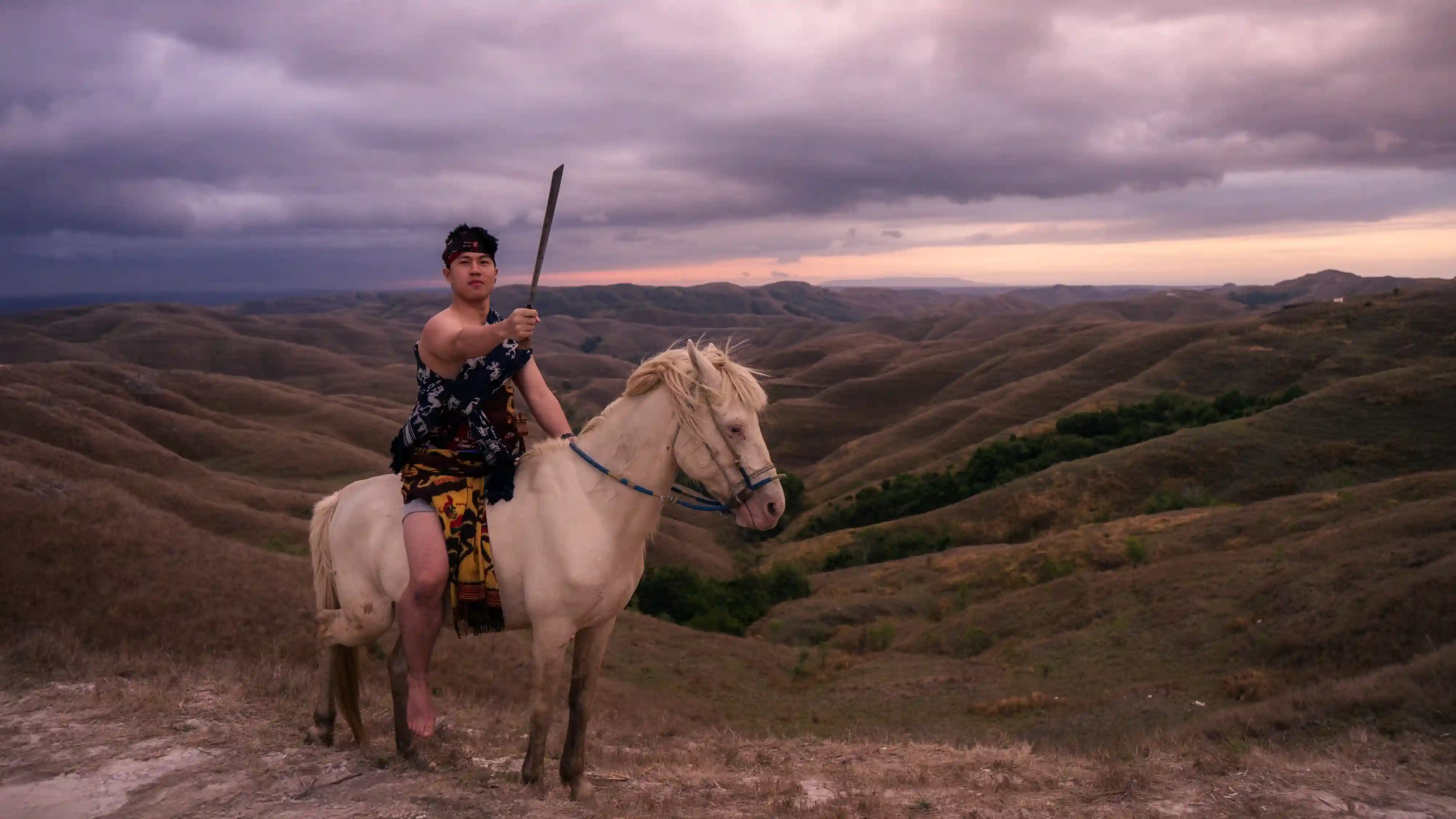
- Cultural Experiences: Engage with the local Marapu religion, a belief system unique to Sumba, and attend traditional ceremonies. These gatherings are vibrant displays of music, dance, and ritual, providing insight into the island’s spiritual life.
- Adventure Opportunities: Enjoy hiking through Sumba’s lush landscapes, with trails leading to hidden waterfalls and panoramic viewpoints. Surfing enthusiasts can take advantage of the island’s waves, particularly at Nihiwatu Beach, which is known for its challenging breaks.
Travel Logistics
Flights from Bali to Sumba typically land at either Tambolaka Airport (TBK) or Waingapu Airport (WGP). Prices range from IDR 800,000 to IDR 2,500,000, varying with season and airline choice. The peak travel season is during July and August, aligning with Bali’s best weather. It is advisable to book flights well in advance, especially during these months, to secure the best rates and availability. Upon arrival, travellers can rent a car or hire a local guide to explore the island, as public transportation options are limited. Accommodations range from simple guesthouses to luxury resorts, offering options to suit various budgets and preferences.
2027 Note
As 2027 approaches, travel trends indicate a growing interest in destinations that blend adventure and culture. Sumba’s appeal lies in its ability to offer both, with its pristine beaches and deeply rooted traditions. For those considering a trip, booking travel arrangements early is advisable due to increasing popularity. As more travellers discover Sumba’s unique offerings, the island is expected to see an increase in visitor numbers, which may impact the availability of accommodation and tours. Planning ahead ensures a travel experience, allowing visitors to fully enjoy all that Sumba has to offer.
FAQ
What is the best time to visit Sumba?
The best time to visit Sumba is during the dry season from May to October. This period offers the most pleasant weather for exploring the island’s outdoor attractions. During these months, visitors can expect warm temperatures and minimal rainfall, making it ideal for activities such as hiking, surfing, and beach visits. The dry season also coincides with several traditional festivals, providing additional cultural experiences for travellers.
How long should I plan my stay in Sumba?
A stay of 3 to 5 days is ideal to explore Sumba’s key attractions, including cultural sites and natural wonders, while also allowing for relaxation time on its beaches. This duration provides ample time to visit traditional villages, hike to scenic viewpoints, and participate in cultural activities. For those interested in surfing or more in-depth exploration, a longer stay may be beneficial to fully appreciate the island’s offerings.
Are there direct flights from Bali to Sumba?
Yes, there are direct flights available from Bali’s Ngurah Rai International Airport to Sumba’s Tambolaka and Waingapu airports, making the journey convenient and time-efficient. The flight duration is approximately 1.5 to 2 hours, providing a quick and easy connection between the two islands. Travellers are advised to check flight schedules and book tickets in advance to ensure availability, particularly during peak travel periods.