Bali to Sumba — Flight + Resort + Cultural Tour Guide

Quick Answer: Bali to Sumba Travel Guide — Curated Indonesia luxury experiences. Concierge-curated, white-glove service, transparent pricing, end-to-end booking support.


Bali to Sumba — Flight + Resort + Cultural Tour Guide


The Definitive Guide: How to Travel from Bali to Sumba

Bali to Sumba — Flight + Resort + Cultural Tour Guide

The passage from Bali to Sumba is more than a flight; it is a transition across an invisible threshold in the Indonesian archipelago. Leaving behind the familiar frangipani-scented air of Seminyak, you arrive in a land defined by a different rhythm—the thunder of hooves on a festival field, the quiet reverence of ancient megaliths, and the raw energy of the Indian Ocean. Sumba is not Bali’s sequel; it is an entirely separate narrative of culture, landscape, and profound luxury.

Sumba: The Essential Extension to a Bali Itinerary

For the traveler who has absorbed the complexities of Bali—from the spiritual gravity of Uluwatu to the craft of Ubud—Sumba presents the next frontier. This is not an island for the first-time visitor to Indonesia, but rather for the discerning individual seeking an experience less curated and more elemental. The journey from Denpasar to Sumba is a deliberate choice to trade established tourist infrastructure for vast, undeveloped landscapes and a culture that remains deeply connected to its ancestral roots. Sumba appeals to those who measure a trip not in sights seen, but in the depth of the encounter.

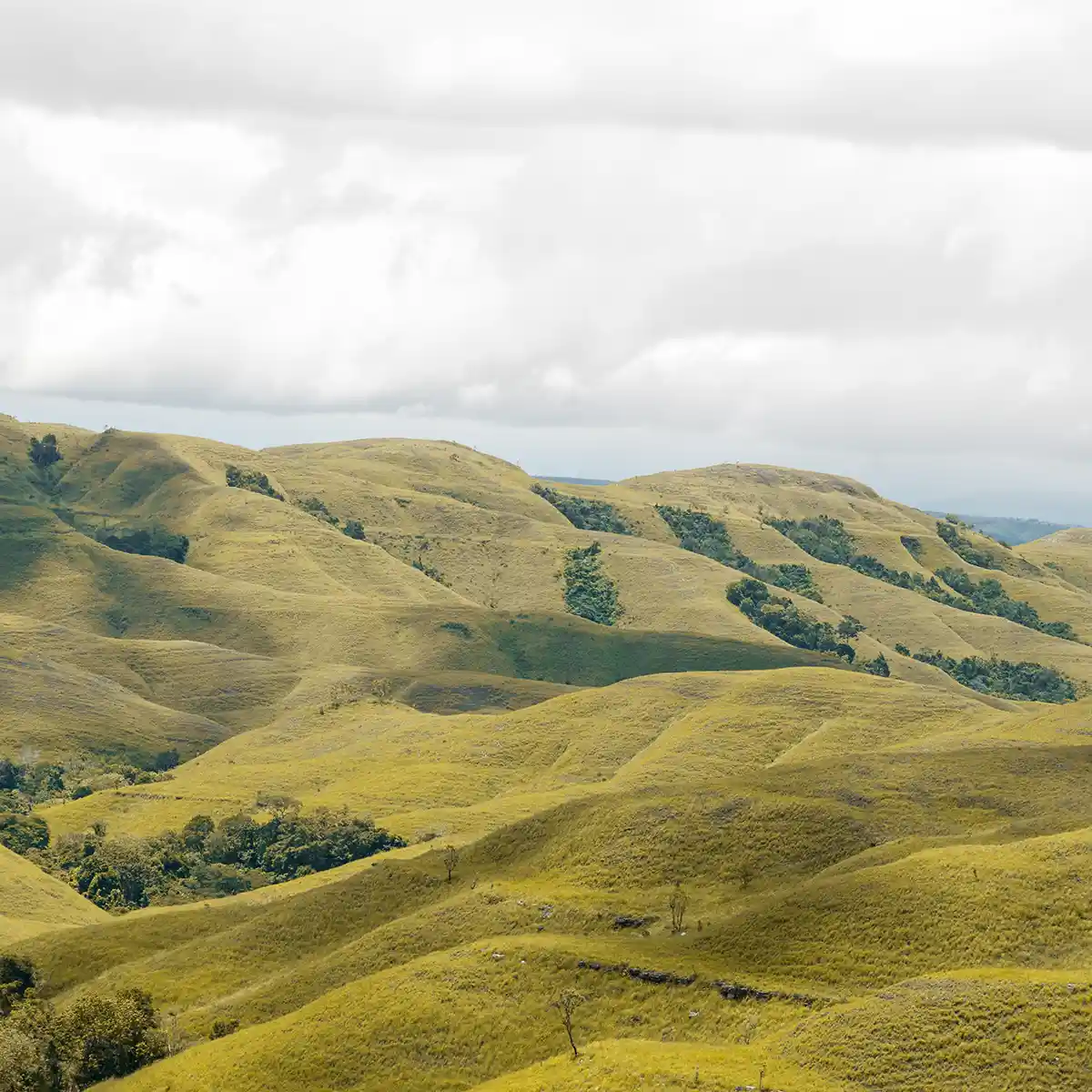
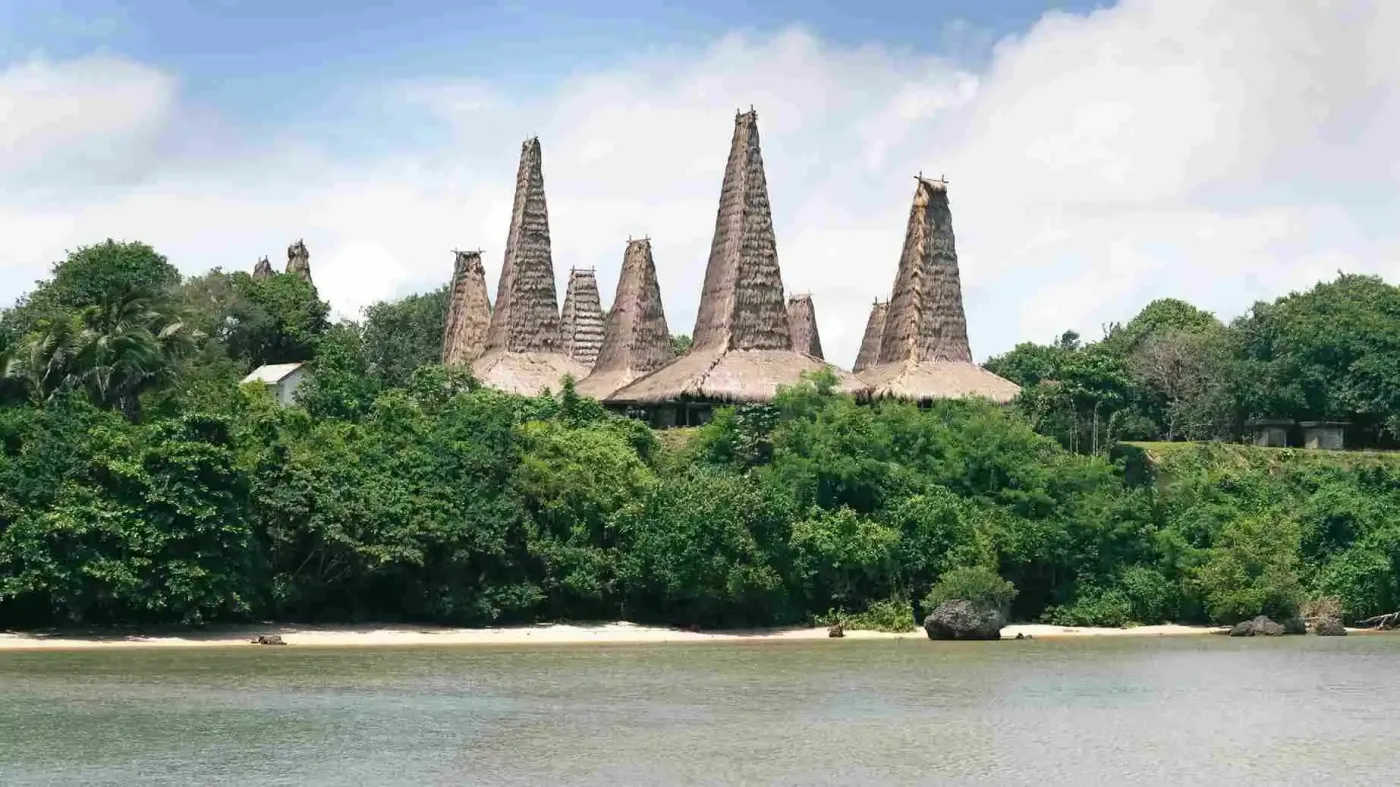
The island, approximately twice the size of Bali but with only a fraction of its population (around 750,000 people compared to Bali’s 4.3 million), is broadly divided into two distinct characters. West Sumba, accessed via Tambolaka Airport, is characterized by rolling green hills, a dramatic coastline with world-renowned surf breaks, and the highest concentration of traditional villages with their iconic, high-peaked thatched roofs. This is the Sumba of celebrated resorts and the famous Pasola festival. East Sumba, served by Waingapu Airport, presents a different topography: expansive, arid savannas dotted with sandalwood trees, reminiscent of the African plains. It is a region known for its exceptional ikat weaving and a quieter, more pastoral pace of life. A trip from Bali to Sumba island requires a decision: to immerse yourself in the cultural and coastal drama of the west, or the stark, pastoral beauty of the east.

Logistics: Securing Your Bali to Sumba Flight

The primary artery connecting the two islands is the air route from Bali’s Ngurah Rai International Airport (DPS) to Sumba’s two main airports. The Bali Sumba flight is a short but crucial step in the logistical chain. Planning this connection correctly is fundamental to a seamless experience, as options are limited and demand can be high, particularly during peak seasons and festival times.

Flights depart daily, but schedules are sparse compared to major domestic routes in Indonesia. The journey typically takes between 1 hour and 25 minutes to 1 hour and 40 minutes. The main carriers servicing this route are Wings Air (a subsidiary of Lion Air) and NAM Air (part of the Sriwijaya Air group). Citilink occasionally operates flights but with less consistency. It is critical to note that these are propeller planes, typically the ATR 72 model, which have stricter baggage limitations than the jets used for international travel. Checked baggage allowance is often limited to 10kg or 20kg, with excess fees applied thereafter. We advise booking flights at least several weeks in advance, especially if your travel dates coincide with the Pasola festival in February or March, or the peak dry season from July to August. One-way fares can fluctuate significantly, generally ranging from $80 USD to over $200 USD. See also: book Contact.

Airline Operates To Typical Aircraft Baggage Allowance (Checked) Notes
Wings Air (Lion Air Group) Tambolaka (TMC) & Waingapu (WGP) ATR 72-600 20kg (subject to change) Most frequent operator with daily flights to both airports. Booking code is IW.
NAM Air (Sriwijaya Air Group) Tambolaka (TMC) & Waingapu (WGP) ATR 72-600 15kg (subject to change) Often offers competitive pricing. Historically a reliable second option. Booking code is IN.
Citilink (Garuda Indonesia Group) Tambolaka (TMC) ATR 72-600 10kg (subject to change) Less frequent schedule, but a reputable carrier. Worth checking for availability.

Booking these flights can sometimes be challenging on international platforms. Using a dedicated travel specialist like the Bali to Sumba Travel Guide ensures access to the most current schedules and simplifies the booking process, bundling it with necessary ground transport and accommodations. See also: the sumba cultural tour option.

Choosing Your Entry Point: Tambolaka (TMC) vs. Waingapu (WGP)

Your choice of arrival airport in Sumba will fundamentally shape your itinerary. The decision between Tambolaka (TMC) in the Southwest and Waingapu (WGP) in the East is the first and most important one you will make after booking your trip from Sumba from Bali. The island’s limited road infrastructure means that overland travel between the two regions is a significant time commitment, often taking 3 to 4 hours. Therefore, your destination airport should align directly with your primary points of interest and accommodation.

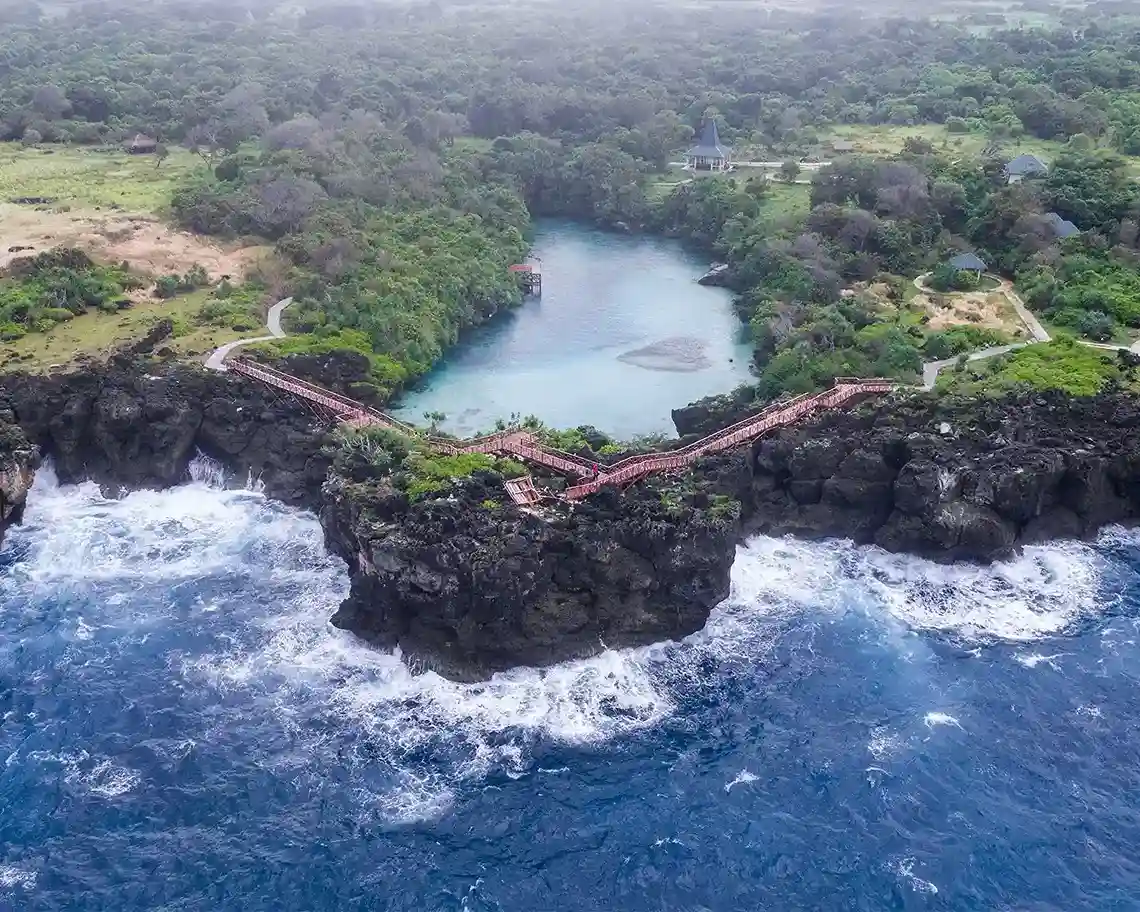
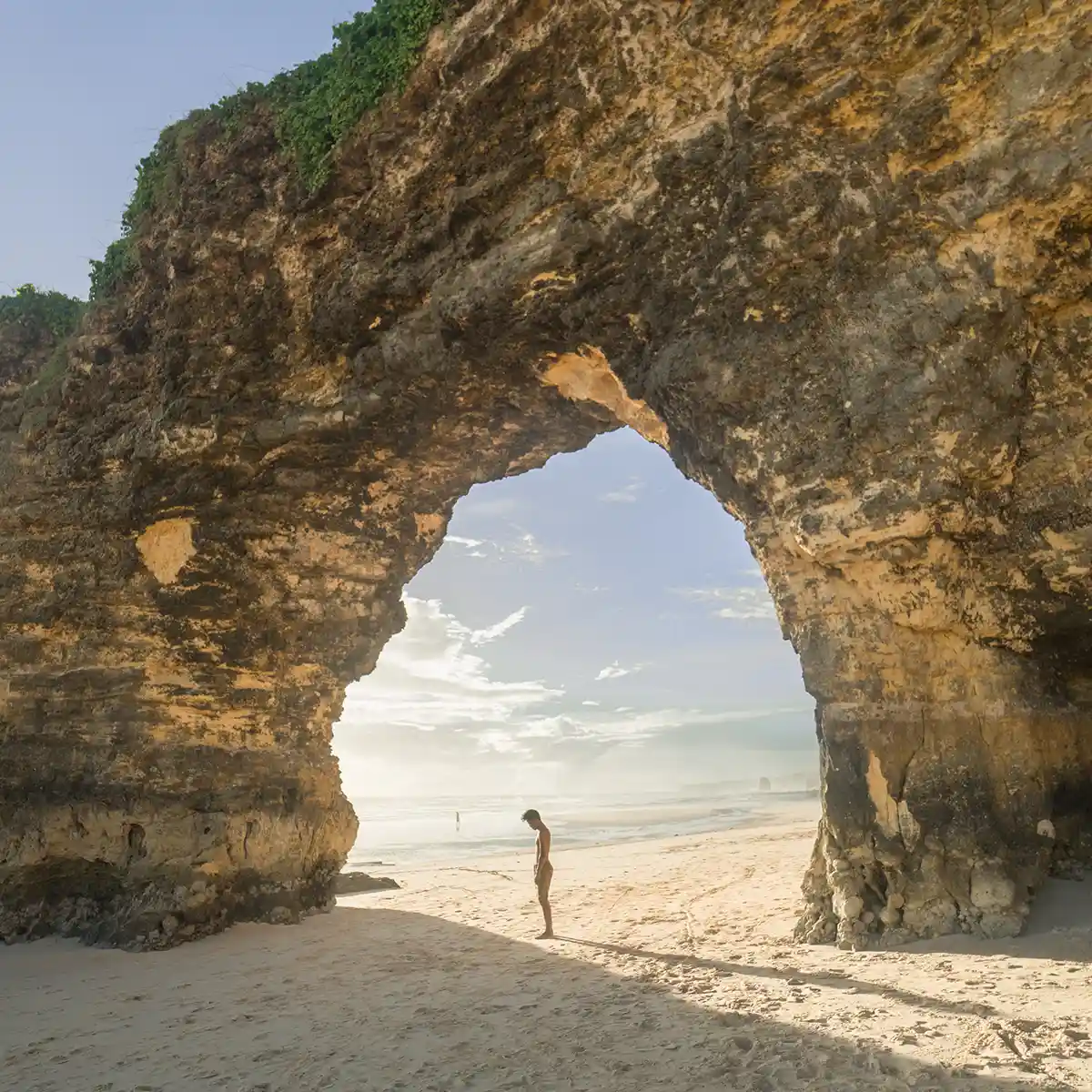
Tambolaka (TMC) is the gateway to West Sumba and the preferred airport for travelers visiting the island’s most recognized resorts, Nihi Sumba and Lelewatu. The airport is approximately a 90-minute to 2-hour drive from these properties. West Sumba is the cultural heartland, home to iconic villages such as Ratenggaro and Tosi, and the main venues for the Pasola festival. The landscape here is lush, with verdant hills meeting a rugged coastline defined by powerful surf and pristine, empty beaches.

Waingapu (WGP) serves East Sumba. This region offers a starkly different aesthetic. It is defined by its expansive savannas, wild horses, and a powerful sense of isolation. East Sumba is the center of the island’s renowned ikat weaving tradition, with villages like Prailiu and Rende offering authentic opportunities to witness and purchase these intricate textiles directly from the artisans. While the resort infrastructure is less developed than in the west, it provides access to unique natural sites like the Tanggedu and Waimarang waterfalls. Flying into Waingapu is for the traveler seeking a deeper exploration of Sumba’s artisanal culture and its unique, arid landscapes.

Feature Tambolaka (TMC) – West Sumba Waingapu (WGP) – East Sumba
Proximity to Key Resorts Nihi Sumba, Lelewatu Resort Morinda Villa & Resto, Padadita Beach Hotel
Primary Landscape Green rolling hills, dramatic coastline, beaches Arid savannas, grasslands, secluded waterfalls
Cultural Highlights Pasola festival, megalithic tombs, high-roofed villages (Ratenggaro) Ikat weaving villages (Prailiu), royal tombs of Rende
Recommended For Luxury resort stays, surfing, cultural festivals Textile arts, landscape photography, off-the-beaten-path exploration
Transfer Time Example ~90 mins to Nihi Sumba ~20 mins to Prailiu Village

Signature Sumba Resorts: Nihi Sumba and Lelewatu

Sumba’s reputation for a particular brand of sophisticated, conscientious luxury is largely built upon two properties. These are not simply places to stay; they are destinations in themselves, offering curated access to the island’s culture and wild nature. Both are located in West Sumba, making Tambolaka (TMC) the required entry point. See also: book Flights Bali Sumba.

Nihi Sumba, originally founded as a surf retreat called Nihiwatu, has evolved into one of the world’s most acclaimed resorts. It operates on a philosophy of “rugged luxury” and is deeply integrated with the local community through the Sumba Foundation, which receives a portion of the resort’s profits to fund community projects. The resort is comprised of 27 uniquely designed villas, ranging from one-bedroom suites to the expansive five-bedroom owner’s estate. The main draw for many remains “Occy’s Left,” a private and highly consistent surf break limited to just 10 registered surfers per day. Beyond surfing, Nihi offers experiences like the Spa Safari, where guests trek or ride on horseback to a secluded clifftop spa, and visits to the Sandalwood Stables. Rates at Nihi Sumba typically begin around $1,500 USD per night, inclusive of meals and some activities.

Lelewatu Resort Sumba, which opened in 2018, offers an alternative yet equally compelling vision of Sumbanese luxury. Perched on a cliffside overlooking 2.5 kilometers of private coastline, Lelewatu’s design is a modern interpretation of traditional Sumbanese architecture. Its 27 villas all feature private pools and expansive ocean views. The focus at Lelewatu is on tranquility, wellness, and authentic cultural immersion. The resort’s Maraga Spa incorporates local ingredients and healing traditions. Lelewatu provides a more serene, wellness-oriented atmosphere compared to Nihi’s activity-driven approach. It is an exceptional choice for those seeking privacy and a deep connection to the natural environment. Rates at Lelewatu generally start from $800 USD per night.

Aspect Nihi Sumba Lelewatu Resort Sumba
Concept “The Edge of Wildness” – Rugged luxury, adventure, philanthropy “A Return to the Essentials” – Wellness, tranquility, architectural immersion
Signature Experience Exclusive access to “Occy’s Left” surf break; Spa Safari Private clifftop villas; Maraga Spa with local treatments
Number of Villas 27 villas and estates 27 villas, all with private pools
Price Point (per night) Starts at approx. $1,500 USD Starts at approx. $800 USD
Best Suited For Active travelers, surfers, families, those seeking a social hub Couples, honeymooners, travelers seeking privacy and wellness

The Marapu Culture: Beyond the Resorts

To visit Sumba and only experience its resorts is to miss the island’s soul. The animating force of Sumbanese life is Marapu, an ancient animistic religion that predates the arrival of Christianity. It is a complex belief system centered on the worship of ancestors and the delicate balance between the material world (Pai Marapu) and the spirit world (Pai Mameti). This worldview is not a historical artifact; it dictates social structures, architecture, and daily rituals.

The most visible expressions of Marapu are the megalithic tombs that dominate the landscape. These are not simple graves but elaborate stone monuments that serve as a connection point to the afterlife and a testament to a family’s lineage and social standing. The construction of a single tomb can be a decades-long process, culminating in a massive funeral ceremony where a colossal stone slab, sometimes weighing over 70 tons, is dragged from a quarry by hundreds of men. These tombs are a central feature of traditional villages. See also: the sumba resorts option.

Sumbanese villages are living cultural entities, typically built on hilltops for defensive purposes and organized around a central square containing the most important tombs. The houses themselves are architectural marvels, with high-peaked thatched roofs that can reach up to 30 meters. These roofs symbolize the heavens and the realm of the ancestors. A visit to a village like Ratenggaro on the coast of West Sumba is a powerful experience. With its towering roofs set against the backdrop of the Indian Ocean and its collection of 304 ancient stone tombs, it offers a direct window into a way of life that has remained unchanged for centuries. When visiting, it is essential to be accompanied by a local guide who can navigate the complex etiquette, which includes presenting a small gift of betel nuts (sirih pinang) to the village elders.

The Pasola Festival: A Ritual of Blood and Harvest

Of all Sumba’s cultural traditions, none is more dramatic than the Pasola Festival. This is not a performance for tourists but a deeply significant and often violent ritual battle. The festival takes place annually in February and March in the districts of Lamboya and Wanokaka in West Sumba. The exact dates are not fixed on the Gregorian calendar; they are determined each year by the Rato (Marapu priests) based on the full moon and the arrival of the nyale, a species of multicolored sea worm, to the shore.

The festival’s purpose is twofold: to thank the ancestors for their blessings and to spill blood upon the earth to ensure a fertile harvest. The name “Pasola” comes from the word “sola” or “hola,” meaning a long wooden spear. The ritual involves two groups of colorfully adorned horsemen charging at each other on a large field, hurling these blunt-tipped spears. While the spears are blunted, injuries are common and are considered part of the ritual’s purpose. The atmosphere is charged with the sound of galloping horses, the shouts of the riders, and the excitement of thousands of spectators.

  • What it is: A ritual battle between two teams of horsemen.
  • When it happens: Annually in February and March, with dates announced by priests shortly beforehand.
  • Where it happens: Primarily in the Kodi, Lamboya, and Wanokaka areas of West Sumba.
  • Why it happens: To appease the ancestors and fertilize the land with blood for the coming harvest.

Attending Pasola requires careful planning due to the fluid dates and high demand for accommodation and guides. It is an intense and visceral spectacle that offers an unparalleled insight into the living traditions of Marapu culture. A trip from Bali to Sumba island during this period is a commitment to witnessing a truly authentic and powerful cultural event.

Arranging Your Sumba Itinerary: A Consultation with Experts

Navigating the logistics of a journey from Bali to Sumba—from securing the correct flights and coordinating lengthy ground transfers to arranging culturally sensitive village visits—requires specialized knowledge. This is the service provided by the Bali to Sumba Travel Guide. We are not a simple booking agent; we are specialists in creating seamless, intelligent itineraries that match your interests with the best the island has to offer.

Our team, based in Bali, has deep-rooted connections in Sumba. We manage the complexities so you can focus on the experience. We can advise on the ideal time to travel, secure accommodations at premier resorts like Nihi and Lelewatu, book the most reliable domestic flights, and arrange for experienced local guides who can provide authentic context to your explorations, whether you wish to witness the Pasola festival or meet an ikat master weaver. Trust us to handle the details of your Denpasar to Sumba travel plan.

Contact our specialists to begin planning:

Frequently Asked Questions for Sumba Travel

While we recommend a full consultation for detailed planning, here are answers to a few common questions about traveling to Sumba from Bali.

What is the best time of year to visit Sumba?
The dry season, from April to October, is generally considered the best time for travel, with pleasant weather and optimal conditions for exploring. However, for those specifically interested in witnessing the Pasola festival, a trip must be planned for February or March. Be prepared for occasional rain during this period.

Is Sumba safe for travelers?
Sumba is generally safe for travelers, but it is a developing island that requires a different level of preparedness than Bali. The infrastructure is limited, roads can be rough, and healthcare facilities are basic. Traveling with a reputable guide and driver is highly recommended, not only for safety and comfort but also for navigating the cultural protocols required for village visits.

What should I pack for Sumba?
Packing should be practical. Include lightweight clothing for the heat, but also long sleeves and trousers for sun protection and modest attire for visiting villages (a sarong is always a good idea). Essential items include a hat, sunglasses, reef-safe sunscreen, strong insect repellent, any personal medications, and a reusable water bottle. It is also crucial to carry a sufficient amount of Indonesian Rupiah (IDR) in cash, as ATMs are unreliable and often non-existent outside of the main towns of Waingapu and Waikabubak.

Contact Us to Plan Your Sumba Expedition

A trip to Sumba is an investment in a rare and profound travel experience. Let our expertise ensure it is executed flawlessly. Contact the Bali to Sumba Travel Guide to speak with a specialist and receive a personalized proposal for your journey from Bali to the Land of the Marapu.

Bali to Sumba Travel Guide
Jalan Sunset Road No. 88, Kuta, Badung, Bali 80361
Phone: +62 811-3941-4563
Email: bd@juaraholding.com