Travel Journal
Bali to Sumba Sustainable Travel 2027: Embracing Eco-Friendly Adventures
- Bali to Sumba Travel Guide Editorial Desk
- 6 min read
On This Page
Sustainable travel from Bali to Sumba in 2027 focuses on eco-friendly choices, promoting conservation while exploring the stunning landscapes and rich cultures of Sumba.
Bali to Sumba Sustainable Travel 2027
The journey from Bali to Sumba offers a unique opportunity to engage in sustainable travel, a growing trend as we move towards 2027. This journey not only allows travellers to immerse themselves in the natural beauty and cultural richness of Sumba but also to contribute positively to the environment and local communities. Emphasizing eco-friendly practices, sustainable tourism is becoming increasingly popular among conscientious travellers seeking to reduce their carbon footprint.
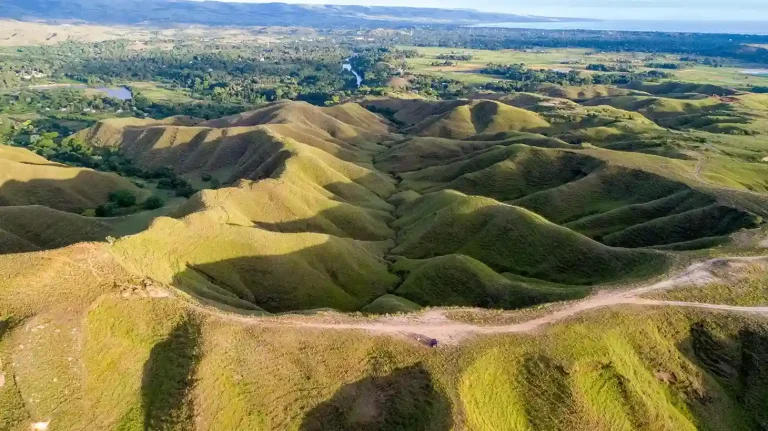
Sumba’s landscapes are diverse, ranging from rugged coastlines to rolling hills and savannahs. The island is home to unique flora and fauna, including several endemic species. Travellers can explore Sumba’s natural reserves, such as the Laiwangi Wanggameti National Park, which spans over 47,000 hectares and is a haven for many bird species. The park also plays a crucial role in the conservation of the island’s ecosystem.
Bali to Sumba Eco Itinerary 2027
Planning an eco-friendly itinerary from Bali to Sumba in 2027 involves thoughtful consideration of transportation, accommodation, and activities. Domestic flights from Bali’s Ngurah Rai International Airport (DPS) to Sumba, landing at either Tambolaka (TBK) or Waingapu (WGP), are the most efficient way to travel. These flights typically range from IDR 800,000 to IDR 2,500,000, varying with the season and carrier. It is advisable to book flights in advance, particularly during peak seasons such as July and August or during major festivals.
- Transportation: Opt for airlines that have implemented carbon offset programs. Some airlines offer passengers the option to contribute to carbon offset initiatives directly when booking flights. These programs often support reforestation projects or renewable energy developments.
- Accommodation: Stay in eco-lodges or hotels that utilize renewable energy and support local conservation efforts. For example, some lodges on Sumba use solar panels for electricity and rainwater harvesting systems. These accommodations often employ local staff and source food locally, contributing to the community’s economy.
- Activities: Engage in tours that prioritize cultural preservation and environmental protection. Activities such as guided hikes through protected areas or participating in beach clean-up efforts not only provide a deeper understanding of the local environment but also help maintain it.
Bali to Sumba Green Travel 2027
Green travel in 2027 emphasizes reducing environmental impact through conscientious choices. Travellers can support conservation projects and participate in community-based tourism initiatives. For instance, visitors can volunteer with local NGOs focused on wildlife conservation or support initiatives that aim to preserve the island’s traditional crafts.
By choosing green accommodations and engaging in activities that respect local culture and ecosystems, visitors can enjoy a fulfilling and responsible travel experience. Many eco-lodges offer workshops on sustainable practices, such as permaculture, which guests can participate in, providing both education and entertainment.
For more personalized travel plans, consider customizing your Bali to Sumba journey to meet specific sustainable travel goals. Tailoring your travel plans can ensure that your journey aligns with your values and interests, whether that means focusing on cultural experiences, wildlife observation, or eco-friendly relaxation.
Connecting with Sumba’s Local Culture
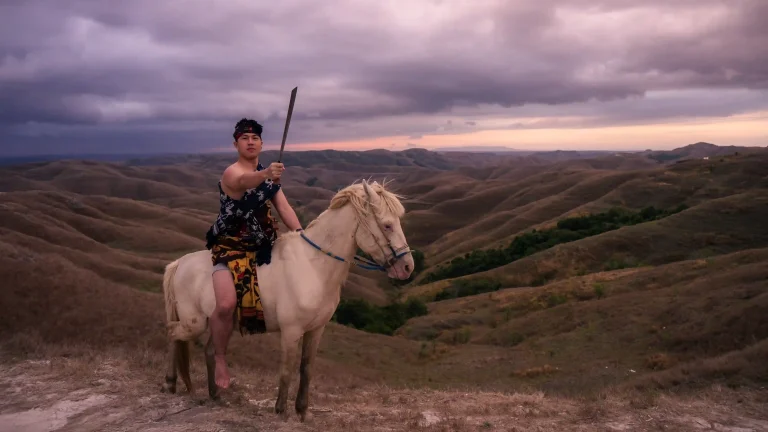
Sumba offers a vibrant cultural experience, from traditional villages to unique textiles. Participating in locally organized tours helps preserve these traditions. Consider visiting during cultural festivals, such as the Pasola, which occurs in February and March. This festival is an important cultural event involving ritualized battles on horseback and is deeply rooted in Sumba’s ancestral traditions.
By engaging with local communities, tourists contribute to the sustainable development of the region. Purchasing locally-made ikat textiles supports traditional weaving techniques and provides income to artisans. Many villages welcome visitors to learn about their customs and daily life, offering an authentic insight into Sumbanese culture.
2027 Note on Sustainable Travel
As we approach 2027, sustainable travel is increasingly crucial. Travellers are encouraged to make responsible choices, ensuring their journey positively impacts the environment and local economies. By focusing on sustainable practices, you help preserve Sumba’s natural beauty and promote long-term ecological balance.
Simple actions, such as carrying reusable water bottles and avoiding single-use plastics, can significantly reduce waste. Moreover, supporting businesses that prioritize sustainability encourages wider adoption of eco-friendly practices across the tourism industry.
Explore more about this vibrant journey on our Bali to Sumba travel guide for further insights into planning your eco-friendly adventure. This resource provides detailed information on travel logistics, sustainable activities, and cultural highlights, assisting in crafting a meaningful and responsible travel experience.
FAQ
How can I participate in sustainable travel from Bali to Sumba in 2027?
To participate in sustainable travel from Bali to Sumba in 2027, choose eco-friendly accommodations, use airlines with carbon offset programs, and engage in community-based tourism that supports local cultures and conserves the environment. Consider participating in conservation activities or cultural exchanges that benefit local communities.
What are the best eco-friendly accommodations on Sumba?
Eco-lodges and green hotels on Sumba focus on sustainability, using renewable energy and supporting local conservation. Consider options that are dedicated to environmental responsibility, such as those that employ local staff, use sustainable building materials, and have initiatives to reduce water and energy consumption.
Are there direct flights from Bali to Sumba?
Yes, there are direct flights from Bali’s Ngurah Rai International Airport to Tambolaka and Waingapu airports on Sumba, making travel convenient for eco-conscious tourists. These flights typically take around 1.5 hours, offering a quick and efficient travel option for those looking to explore Sumba’s diverse landscapes and rich culture.