A Luxury Guide to Traveling from Bali to Sumba in August
- Bali to Sumba Travel Guide Editorial Desk
- Updated
- 11 min read
On This Page
- Why August is Sumba’s Definitive Month
- The Flight Path: Navigating Your Air Transfer from Denpasar
- Sumba’s Bastions of Barefoot Luxury
- Crafting Your August Itinerary: Beyond the Resort Gates
- The Enduring Culture: Ikat, Marapu, and the Spirit of the Horse
- Quick FAQ: Your Sumba August Travel Questions Answered
- Direct Flights: Take a 60 to 90-minute flight on Wings Air or NAM Air.
- Peak Weather: August guarantees dry, sunny days with average temperatures of 28°C and minimal humidity.
- High Season Travel: We recommend booking all flights and accommodations 4 to 6 months in advance to secure availability.
The turboprop engine hums a steady rhythm, a sound that marks the true departure from Bali’s familiar hum. Below, the patchwork of emerald rice paddies gives way to the deep, indifferent blue of the Savu Sea. You are suspended between two worlds. An hour later, the landscape shifts dramatically. The color palette drains of green and floods with gold, ochre, and sun-bleached savanna. This is Sumba, an island that measures its wealth not in infinity pools, but in the height of its megalithic tombs and the spirit of its wild horses. Stepping off the plane in August, the air is different—it’s dry, clean, and carries the scent of parched grass and distant salt. The journey here is more than a simple transfer; it is a recalibration of the senses, a deliberate step away from the known and into a realm of raw, untamed luxury.
Why August is Sumba’s Definitive Month
Choosing when to visit an island so governed by seasons is the first and most critical decision. While many destinations in the Indonesian archipelago offer year-round appeal, Sumba in August presents a convergence of perfect conditions that is simply unmatched. This month sits squarely in the middle of the dry season, which typically runs from May to October. You can expect less than 50 millimeters of rainfall for the entire month, translating to uninterrupted days of brilliant sunshine and cobalt-blue skies. The humidity, often a challenging factor in equatorial travel, drops significantly, leaving the air crisp and comfortable with daily temperatures hovering around a pleasant 28-30°C. This climate is not just ideal for lounging by a private villa pool; it is essential for the overland explorations that define the Sumba experience. The unpaved roads leading to remote villages and secluded beaches are at their most passable, and the landscapes are a photographer’s dream of stark, beautiful contrasts.
Culturally, August is a period of vibrant, post-harvest activity. While the famous Pasola festival—a ritualized battle on horseback—takes place in February or March, August is alive with smaller, equally authentic ceremonies. It is a time for thanksgiving rituals within local villages, where the animist Marapu traditions are on full display. According to local guide and cultural expert Andreas Luru, “August is when the communities have completed their harvests. There is a sense of relief and celebration. You may witness traditional boxing ceremonies, known as Pajura, or the intricate preparations for a significant Marapu burial.” This makes it a profound time to engage with the island’s culture, a topic we explore in our complete cultural tour guide. This is the island at its most accessible and alive, a fact reflected in demand. Be prepared: this is peak season, and premier resorts are often booked solid six months out.
The Flight Path: Navigating Your Air Transfer from Denpasar
The primary artery for traveling from Bali to Sumba in August is the air corridor connecting Denpasar’s Ngurah Rai International Airport (DPS) with Sumba’s two functional airports. Your choice of arrival airport is a strategic one, dictated by your resort’s location. In the west, near the island’s most iconic luxury properties, is Tambolaka Airport (TMC). In the east, serving the capital of Waingapu and its surrounding attractions, is Umbu Mehang Kunda Airport (WGP). The flight itself is a brief but scenic 60 to 90-minute journey across the sea, operated primarily by Wings Air (a subsidiary of Lion Air) and NAM Air. These are not wide-body jets but smaller ATR 72 turboprop aircraft, offering a more intimate, old-world sense of travel.
Given that August is the zenith of the tourist season, a proactive booking strategy is non-negotiable. We advise securing your flights a minimum of three to four months in advance. Fares that might be $80 one-way in the shoulder season can easily escalate to $200 or more as availability dwindles. The most seamless experience is often coordinated directly through your chosen resort. Premier properties like NIHI Sumba and Lelewatu have dedicated travel concierges who manage these bookings, ensuring a smooth transition from your international arrival in Bali to your final destination. They will also arrange the crucial ground transfer; for instance, the drive from Tambolaka (TMC) to NIHI Sumba is a rugged but fascinating 90-minute journey through villages and rolling hills, a service that is essential for a stress-free arrival. For those planning a multi-part exploration of the island, our comprehensive flight and resort guide offers detailed logistical advice.
Sumba’s Bastions of Barefoot Luxury
Sumba’s reputation in the world of high-end travel is anchored by a handful of properties that have redefined the concept of a luxury resort. They are destinations in themselves, blending architectural brilliance with a profound respect for the local environment and culture. The undisputed icon is NIHI Sumba, a property that has topped global travel lists for years. Built on the principle of “The Edge of Wildness,” its 27 private villas, each with a pool, are scattered across 567 acres of pristine land. It is home to the legendary “Occy’s Left,” a world-class surf break famously capped at just 10 surfers per day. But the experience extends far beyond surfing; there is a world-renowned equestrian program, a deeply integrated philanthropic arm in the Sumba Foundation, and the otherworldly Spa Safari™. A one-bedroom villa here in August can command upwards of $1,800 per night.
Offering a different, though no less spectacular, perspective is Lelewatu Resort Sumba. Perched on a dramatic cliffside overlooking the Indian Ocean, its 27 villas are a masterclass in Sumbanese-inspired design, featuring intricate carvings and soaring thatched roofs. The property offers a more serene and romantic atmosphere compared to NIHI’s adventurous spirit. Its Maraga Spa provides treatments using local botanicals, and its two restaurants serve exquisite cuisine with panoramic views. Just a 45-minute drive from Tambolaka airport, Lelewatu provides a compelling alternative with rates starting around $900 per night in the high season. For those seeking a more intimate, wellness-focused sanctuary, Alamayah is a standout. This boutique retreat consists of just six private suites, focusing on holistic healing, plant-based gastronomy, and curated surf experiences on the nearby Kerewe break. It represents a new wave of conscious luxury on the island.
Crafting Your August Itinerary: Beyond the Resort Gates
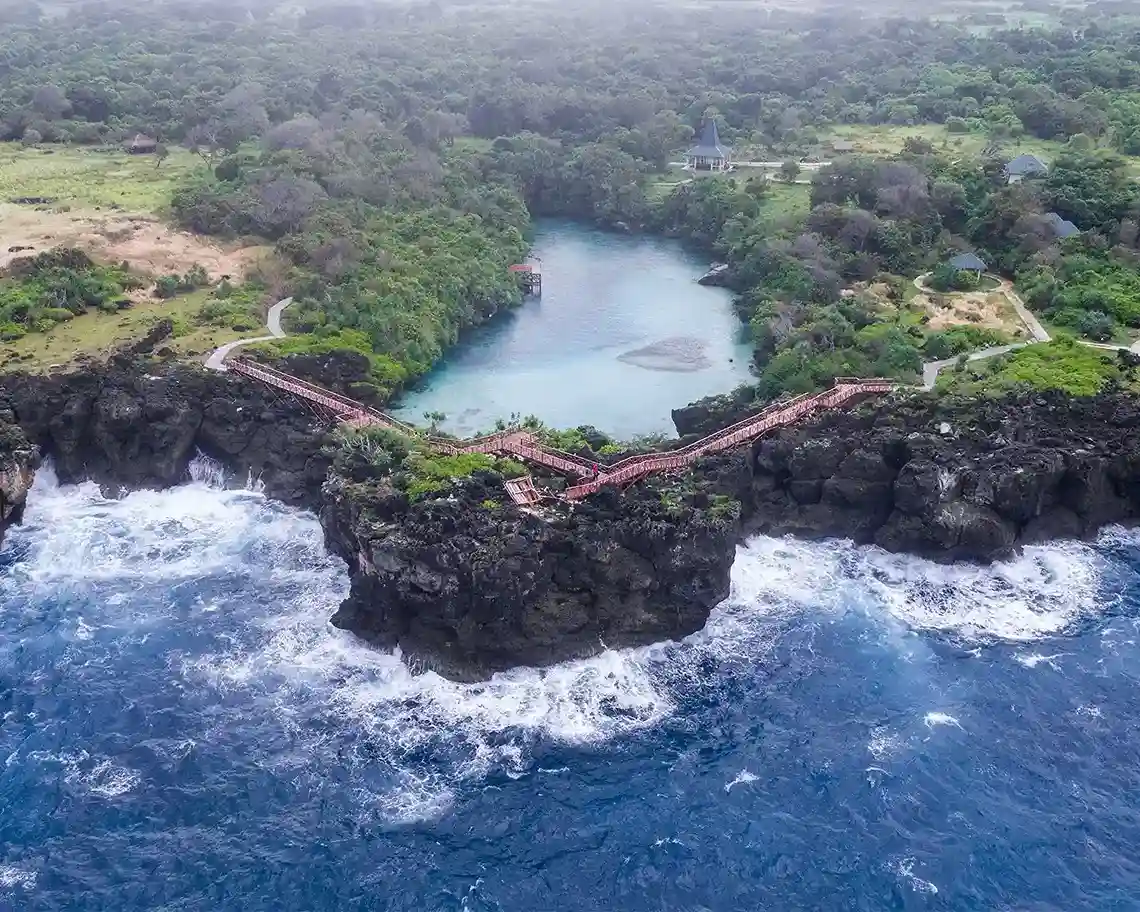
While the gravitational pull of Sumba’s world-class resorts is strong, the island’s true soul is discovered beyond their manicured grounds. A well-crafted itinerary, best arranged by a private guide and 4×4 vehicle (costing roughly $120 per day), reveals a land of staggering natural phenomena and ancient traditions. In West Sumba, the otherworldly Weekuri Lagoon is an essential visit. This saltwater lagoon, separated from the ocean by a rocky outcrop, glows with an impossible turquoise hue. Its high salinity makes for effortless floating, and an early morning visit, before any other travelers arrive, feels like discovering a secret corner of the earth. It’s a two-hour drive from the main resort area, but utterly worth the journey. Nearby, the village of Ratenggaro offers a window into the island’s Marapu culture. Here, traditional homes with dramatic, 20-meter-high thatched roofs cluster around ancient megalithic tombs, a living testament to the island’s enduring connection to its ancestors. As detailed on Indonesia’s official tourism site, these villages are the cultural heart of the island.
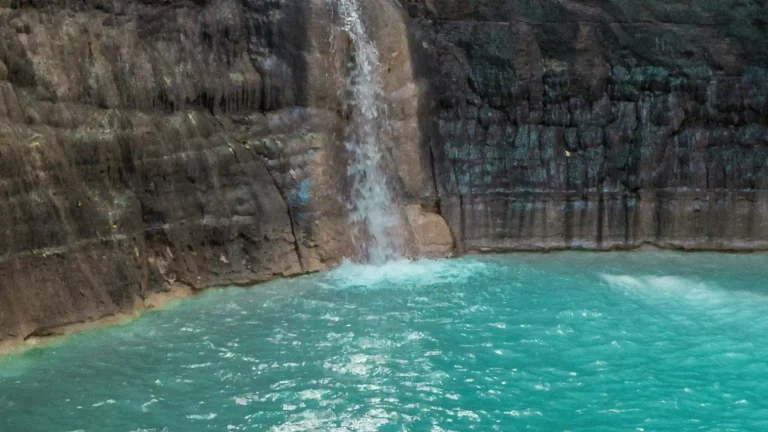
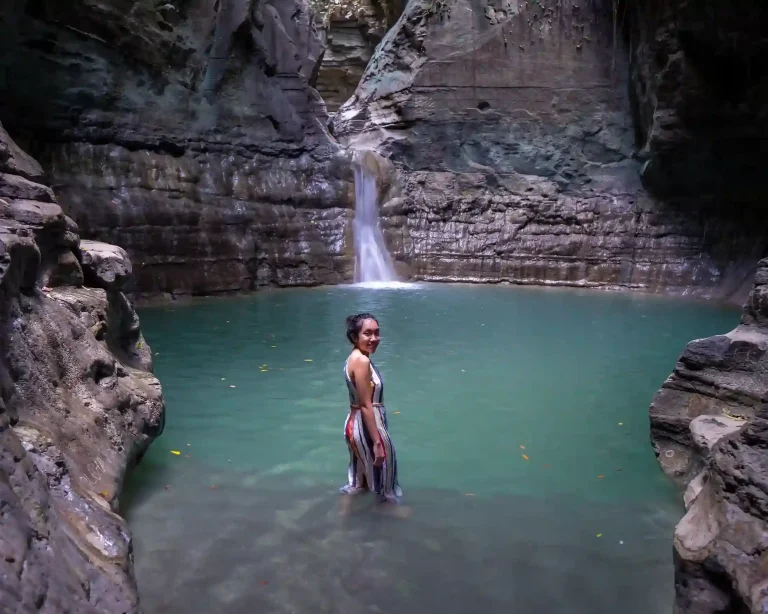
The eastern part of Sumba offers a different set of wonders. The journey to Waimarang Waterfall is for the more adventurous traveler, involving a 45-minute trek through the forest that culminates in a secluded, emerald-green rock pool, enclosed by canyon walls. It is a natural swimming grotto of exceptional beauty. For a more tranquil experience, Walakiri Beach at sunset is a photographer’s pilgrimage site. As the tide recedes, it reveals the silhouettes of its unique “dancing” mangrove trees, their twisted forms creating a surreal spectacle against the vibrant colors of the setting sun. A knowledgeable guide will time your visit perfectly with the low tide, ensuring the most dramatic visual impact. This is the kind of experience that defines the entire **bali to sumba** journey: raw, elemental, and unforgettable.
The Enduring Culture: Ikat, Marapu, and the Spirit of the Horse
To visit Sumba is to immerse oneself in one of Indonesia’s most intact and fascinating indigenous cultures. The island’s isolation has preserved the ancient animist religion known as Marapu, a complex belief system centered on the worship of ancestors and spirits of the land. This philosophy is not a relic; it is the living, breathing heart of Sumbanese society, dictating everything from village layouts to agricultural cycles and intricate funeral rites, which can involve the sacrifice of dozens of buffalo. The megalithic tombs that dot the landscape are not historical artifacts but active sites of reverence. This cultural depth, as chronicled on platforms like Wikipedia, is what elevates a trip here from a simple vacation to a profound anthropological experience.
Nowhere is this cultural richness more tangible than in Sumba’s world-renowned ikat textiles. These are not mere souvenirs; they are masterpieces of weaving that can take a year or more to produce. The process involves dyeing the threads before they are woven, a painstaking technique requiring immense skill and patience. Each motif carries deep symbolic meaning, telling stories of lineage, social status, and mythological events. A privately arranged visit to a weaving village like Prailiu, near Waingapu, allows you to witness master weavers using natural dyes derived from indigo and morinda root. And while the Pasola festival is a spring event, the spirit of the horse permeates August. The unique Sumbanese Sandalwood pony is a symbol of wealth and prestige, a constant presence in the landscape. Engaging with these cultural pillars is essential; our guide to Sumbanese cultural tours can help you plan a respectful and enlightening visit.
Quick FAQ: Your Sumba August Travel Questions Answered
What is the most efficient way to travel around Sumba?
Without question, a private car with a driver is essential. A sturdy 4×4 vehicle is highly recommended, as many roads leading to the most interesting sites are unpaved and rugged. Your resort can arrange a trusted driver and vehicle for approximately $100-$150 per day. Self-driving is not advisable due to road conditions and lack of signage.
Is Sumba considered safe for luxury travelers?
Yes, Sumba is very safe when traveling within the established luxury tourism framework. The high-end resorts offer excellent security, vetted guides, and curated, safe experiences. The Sumbanese people are known for their hospitality. Standard travel precautions apply, but safety concerns should not deter you from visiting.
What are the packing essentials for Sumba in August?
Pack lightweight, breathable fabrics like linen and cotton for the warm, dry days. Include swimwear, high-SPF reef-safe sunscreen, a wide-brimmed hat, and polarized sunglasses. For village visits, bring modest clothing that covers shoulders and knees. Sturdy walking shoes or trail sandals are crucial for excursions. The evenings can be surprisingly cool, so a light jacket or cashmere wrap is a wise addition.
How much local currency should I bring?
While your resort will accept major credit cards, carrying Indonesian Rupiah (IDR) is necessary for small purchases, local markets, and tipping your guides and drivers. We recommend having at least 3,000,000 IDR (approximately $200 USD) on hand for incidental expenses during a week-long stay.
Sumba in August is the antithesis of a fleeting beach holiday. It is an immersion into a world of stark beauty, ancient traditions, and a profound sense of wildness, all framed by some of the most exclusive hospitality on the planet. The journey requires planning, but the reward is a travel experience that resonates long after you have returned to the familiar comforts of Bali. From the thundering hooves of wild horses on the beach at dawn to the silent majesty of a sunset over Walakiri, the island offers moments of pure, unscripted magic. When you are ready to translate this vision into a tangible itinerary, we invite you to explore our complete bali to sumba travel guide for in-depth planning resources.