What is the Best Time to Fly from Bali to Sumba?
- Bali to Sumba Travel Guide Editorial Desk
- 11 min read
On This Page
- Decoding Sumba’s Two Souls: The Dry and Wet Seasons
- The Peak Dry Season (June – August): Sun-Drenched Savannahs and Soaring Demand
- The Shoulder Seasons (May, September – October): The Savvy Traveler’s Sweet Spot
- The Wet Season (November – April): For the Pasola Pilgrim and Intrepid Photographer
- Aligning Your Journey with Sumba’s Cultural Calendar
- Quick FAQ: Your Sumba Flight and Timing Questions Answered
- Peak Season (June to August): Expect perfect weather, higher flight and resort prices, and the island’s most vibrant social season.
- Shoulder Season (May, September, October): An ideal balance of excellent weather, fewer tourists, and more attractive pricing.
- Cultural Season (February to March): The wet season hosts the iconic Pasola festival, a must-see for intrepid cultural travelers.
The air shifts the moment you ascend from Denpasar. One moment, the humid, frangipani-scented air of Bali clings to you; the next, you are cruising at 30,000 feet over the Lombok Strait, watching the volcanic peaks of the Lesser Sunda Islands unfurl below. An hour later, the descent begins into a different world entirely. The emerald terraced paddies are gone, replaced by vast, undulating savannahs of gold and sepia. The thundering hooves of sandalwood ponies, not the drone of scooters, form the island’s soundtrack. This is the elemental transition from Bali to Sumba, a journey not just of 400 kilometers, but of decades. Deciding when to make this pilgrimage is the first, and most crucial, step in crafting an unforgettable expedition. The island’s character is dictated by its seasons, a dramatic duality that transforms the landscape, its people, and the very experience of being there.
Decoding Sumba’s Two Souls: The Dry and Wet Seasons
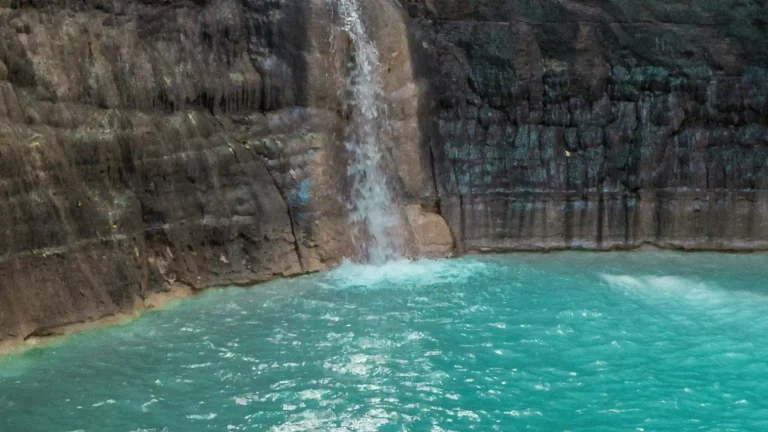
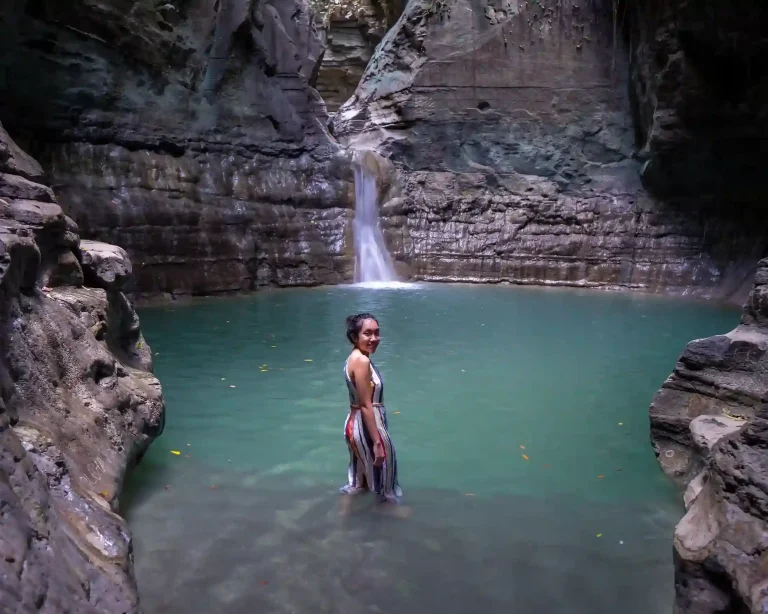
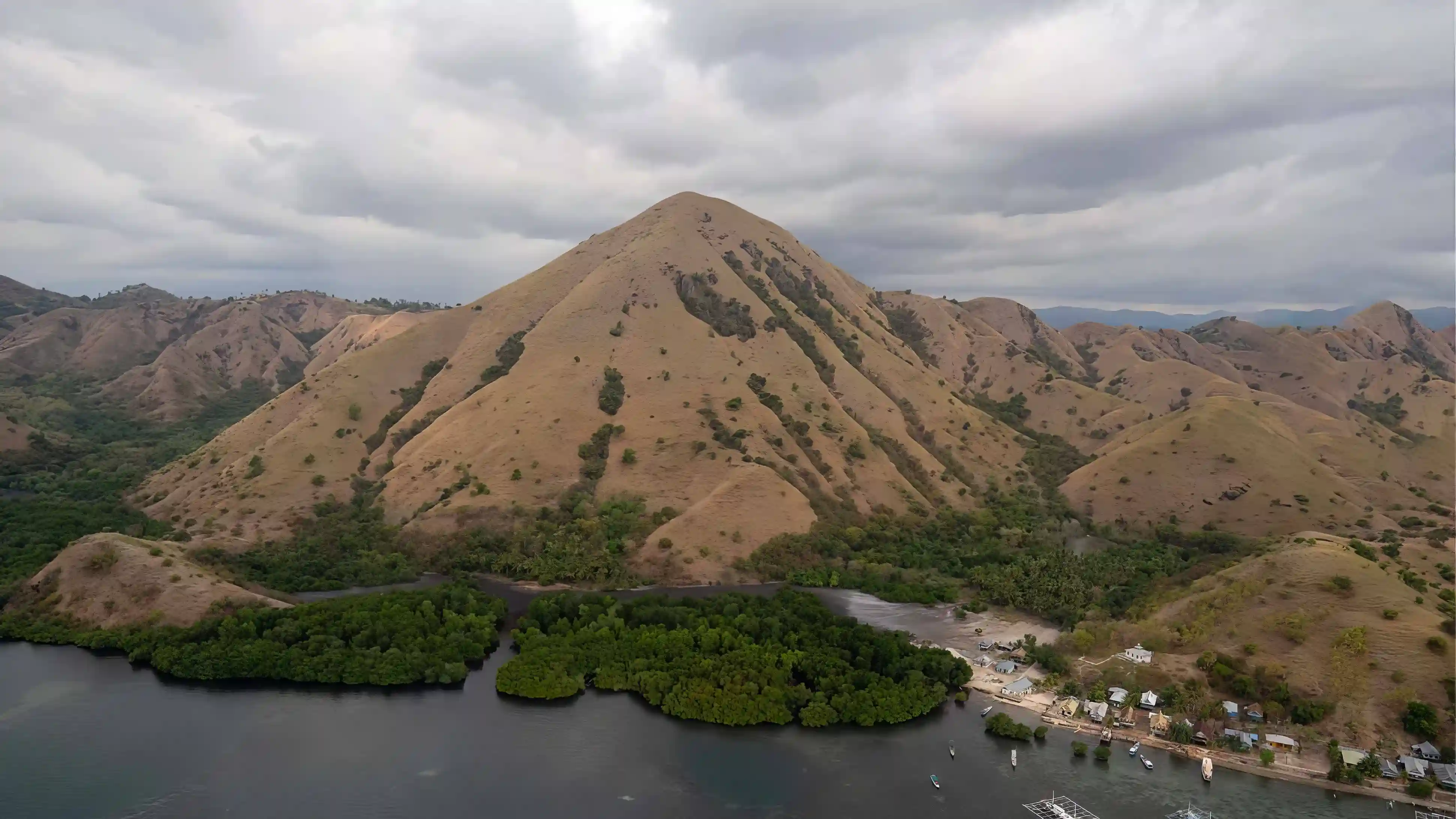
Unlike Bali’s more consistent tropical climate, Sumba, lying east of the Wallace Line, possesses a dramatically different and more arid ecosystem. Its climate is defined by two dominant seasons: the dry season, running roughly from May through October, and the wet season, which blankets the island from November to April. Understanding the profound impact of this cycle is essential for planning your travel, as it dictates everything from road accessibility to the color palette of the landscape. During the dry season, Sumba dons its iconic guise: a sun-scorched, golden-hued savannah that evokes the plains of East Africa. Average temperatures hover around a pleasant 27-30°C, and rainfall is minimal, with August often seeing less than 15 millimeters for the entire month. This is the Sumba of postcards, where dirt roads are firm, rivers are crossable, and the turquoise waters of beaches like Walakiri are set against a backdrop of parched, dramatic hills. Conversely, the wet season brings a radical, almost violent, transformation. From December to February, monthly rainfall can exceed 300 millimeters, turning the island into a canvas of intense, almost incandescent green. Waterfalls like Lapopu and Tanggedu, which are modest flows in September, become thundering torrents. While this “Green Season” offers a spectacle for landscape photographers, it presents significant logistical challenges. Rural roads can become impassable mud tracks, and flash floods are not uncommon. This seasonal dichotomy is the fundamental calculus for any journey; choosing a side is choosing the very nature of your adventure. A comprehensive Bali to Sumba flight and resort guide can help you weigh these variables against your personal travel style.
The Peak Dry Season (June – August): Sun-Drenched Savannahs and Soaring Demand
For the traveler seeking idyllic conditions, the period from June to August represents the absolute pinnacle of the Sumbanese calendar. This is when the island is most accessible, most comfortable, and arguably, most photogenic in its classic, arid state. The skies are a brilliant, uninterrupted blue, and a persistent easterly wind, known locally as the *angin timur*, keeps the humidity at bay. This is the time for unfettered exploration. You can confidently plan long drives to the megalithic tombs of West Sumba, knowing the roads will be reliable. Days are best spent discovering secluded coves along the southern coast, where world-class surf breaks, many made famous by the ultra-exclusive NIHI Sumba resort, are at their most consistent. The flight from Bali’s Ngurah Rai International Airport (DPS) to Sumba’s main western hub, Tambolaka (TMC), is a brief 90-minute hop on carriers like Wings Air or NAM Air. However, this perfection comes at a premium. Demand for the limited number of flights and luxury accommodations, such as Cap Karoso and Lelewatu, is at its zenith. Flight prices can easily be 30-50% higher than in the low season, often ranging from $150 to $250 one-way. Booking well in advance—three to four months at a minimum—is not just recommended; it’s a necessity. This is the season for those who prioritize perfect weather and are prepared for the corresponding cost and company. As noted by Indonesia’s official tourism board, Sumba’s popularity is growing, and this peak window is the first to fill.
The Shoulder Seasons (May, September – October): The Savvy Traveler’s Sweet Spot
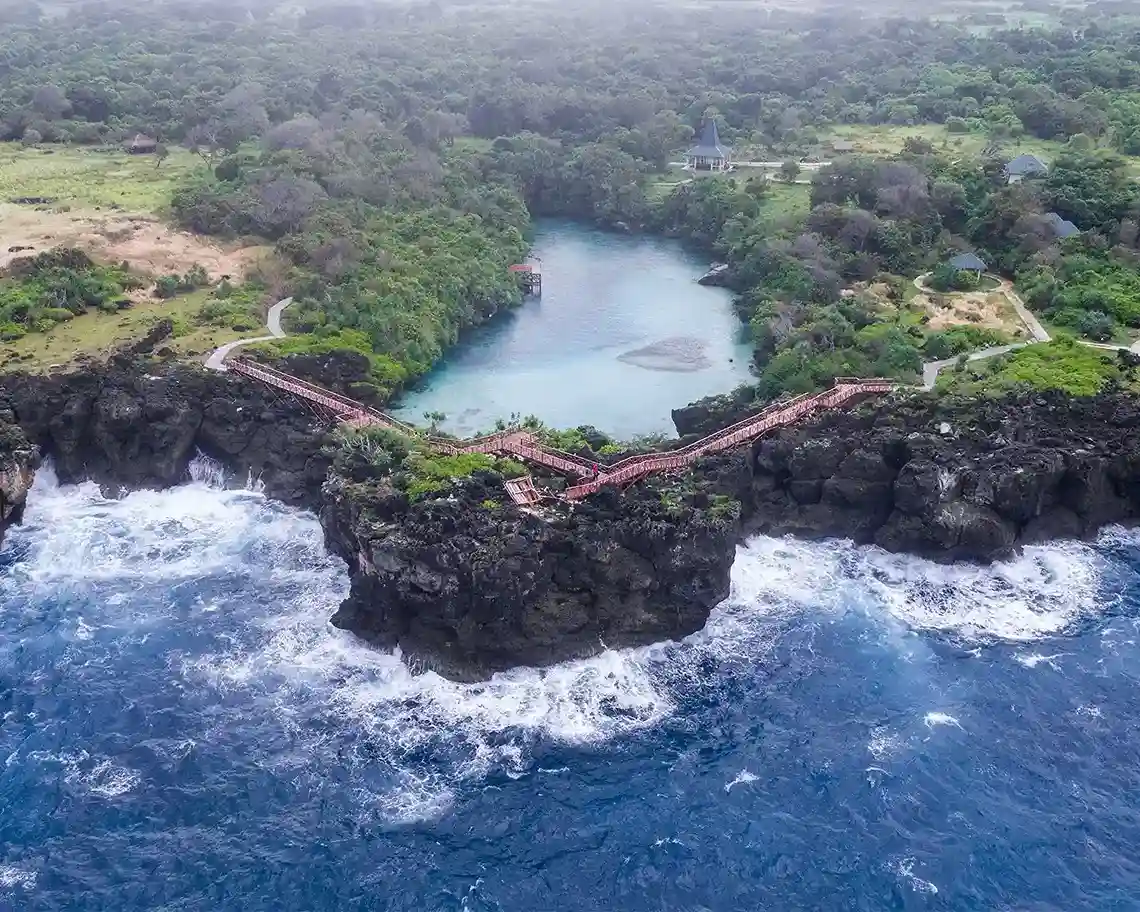
For those of us with a penchant for finding the perfect intersection of value, weather, and tranquility, the shoulder months are the insider’s choice. May, September, and October offer a sublime compromise, retaining the best qualities of the dry season while shedding the crowds and peak-season pricing. In May, the island is still radiantly green from the departing rains, but the downpours have ceased, creating a unique landscape of lush vibrancy under clear skies. It’s a fantastic time for trekking, as the air is fresh and the waterfalls still carry a respectable volume. By September and October, the island has fully transitioned to its iconic golden state. The light, as any photographer will attest, becomes softer and more angular, casting long shadows across the hills and illuminating the traditional thatched-roof villages in a warm glow. Yves-Bernard, the General Manager at Cap Karoso, once told me over an espresso, “September is my favorite month. The intense heat of August has passed, the light is magical, and the island breathes. You feel you have it all to yourself.” This period sees a noticeable drop in tourist numbers. You might find yourself as the sole visitor at the otherworldly Weekuri Lagoon or wandering through the stone-carved village of Ratenggaro in peaceful solitude. Flight and accommodation rates typically dip by 15-25% from their July highs, making a significant difference in the overall budget. It is, without question, the best time to fly from bali to sumba for the discerning traveler who values both comfort and exclusivity.
The Wet Season (November – April): For the Pasola Pilgrim and Intrepid Photographer
To dismiss the wet season is to miss one of Sumba’s most authentic and dramatic spectacles. This period, from November to April, is not for the faint of heart, but for the cultural purist and the adventurous spirit, it holds a unique and powerful allure. The primary draw is the Pasola festival, a series of ancient and visceral mock battles fought on horseback by spear-wielding warriors. This extraordinary event, detailed on its own Wikipedia page as a ritual to appease the Marapu spirits and ensure a bountiful harvest, takes place in February and March. The exact dates are determined by the island’s shamans, or *rato*, based on the annual arrival of the *nyale* sea worms. To witness Pasola is to witness Sumba’s soul laid bare—it is raw, chaotic, and profoundly moving. Beyond this singular event, the wet season offers a visual feast. The island’s transformation into a verdant paradise is staggering. The parched riverbeds become powerful waterways, and the entire landscape pulses with life. This is a dream for photographers willing to brave the elements. The trade-off, however, is significant. Daily, torrential downpours are the norm. Travel is unpredictable; flights can be delayed, and rural roads may be washed out, isolating entire regions. The humidity is high, and mosquitoes are more prevalent. Yet, for those whose primary mission is cultural immersion, the rewards are immense. Furthermore, the cost of travel plummets, with flights and resorts offering discounts of up to 50%. Navigating this challenging season requires expert local knowledge, making the services of a Bali to Sumba travel specialist invaluable.
Aligning Your Journey with Sumba’s Cultural Calendar
While the weather provides the broad strokes, Sumba’s rich cultural calendar offers a more detailed guide for timing your visit. The island operates on a rhythm dictated by the animistic Marapu religion, a complex system of beliefs that governs daily life and culminates in elaborate, unmissable ceremonies. The Pasola festival is the most famous, but it is far from the only significant event. In October and November, the district of Lamboya in West Sumba observes *Wulla Poddu*, a holy month of fasting and purification. During this time, a series of rituals and prohibitions are enacted, offering a fascinating, albeit less spectacular, glimpse into the island’s spiritual core. Perhaps the most impactful cultural encounters are the funeral ceremonies. These are not somber affairs but massive, multi-day celebrations of a person’s life, involving the sacrifice of dozens of buffalo and pigs and the hosting of hundreds, sometimes thousands, of guests. While they can occur at any time, the logistical demands mean they are more frequent during the dry season. Stumbling upon one is a powerful, unforgettable experience, but it’s crucial to observe proper etiquette, best navigated with a local guide. Year-round, the art of *Ikat* weaving is a constant. Visiting a village like Prailiu near Waingapu allows you to see master weavers create intricate, naturally dyed textiles whose motifs tell ancient stories. Planning a trip that includes a curated cultural tour of Sumba ensures you not only see these traditions but understand their profound significance.
Quick FAQ: Your Sumba Flight and Timing Questions Answered
How far in advance should I book flights for the best time to fly from Bali to Sumba?
For peak season travel between June and August, it is critical to book your flights and accommodations 3-4 months in advance, as options are limited and sell out quickly. For the shoulder season (May, September-October), a window of 1-2 months is generally sufficient. During the wet season, last-minute deals can often be found a few weeks prior to departure, but be aware of the potential for weather-related disruptions.
Which Sumba airport is better to fly into, Tambolaka (TMC) or Waingapu (WGP)?
Your choice of airport depends entirely on your itinerary. Tambolaka (TMC) in West Sumba is the gateway to the island’s most famous resorts (NIHI, Cap Karoso) and iconic attractions like Weekuri Lagoon and the stone-age villages of the Kodi region. Waingapu (WGP) in East Sumba is the better entry point for exploring the renowned Ikat weaving communities, the savannahs of the Puru Kambera, and the stunning Tanggedu Waterfall. The flight from Bali is approximately 90 minutes to either airport.
Is Sumba worth visiting during the rainy season?
For a certain type of traveler, yes. If your primary goal is to witness the Pasola festival, experience the island at its most lush and green, or take advantage of significantly lower prices, the wet season can be highly rewarding. However, you must be prepared for daily heavy rain, high humidity, and the real possibility of travel plans being altered by impassable roads or delayed flights.
What is the price difference between peak and off-peak season?
The financial difference is substantial. Expect to pay 30-50% more for flights and premier lodging during the peak dry season (June-August) compared to the wet season (November-April). The shoulder months of May, September, and October typically offer a moderate saving of around 15-25%, representing a strong value proposition.
Ultimately, the “best” time for a bali to sumba journey is a personal calculation, weighing the desire for perfect weather against the allure of cultural immersion and the practicalities of a budget. Whether you envision yourself on a secluded beach under the August sun, or amidst the visceral energy of a Pasola festival in the February rains, Sumba offers a profound experience. Planning this journey requires more than just booking a flight; it demands an understanding of the island’s deep and ancient rhythms. Our team specializes in creating bespoke itineraries that align with your specific desires, ensuring your passage to this remarkable island is as seamless as it is memorable. Explore the possibilities with the Bali to Sumba Travel Guide and let us translate your vision into a reality.