Top Sumba Attractions You Can Reach From Bali
- Bali to Sumba Travel Guide Editorial Desk
- 7 min read
On This Page
Top Sumba Attractions You Can Reach From Bali
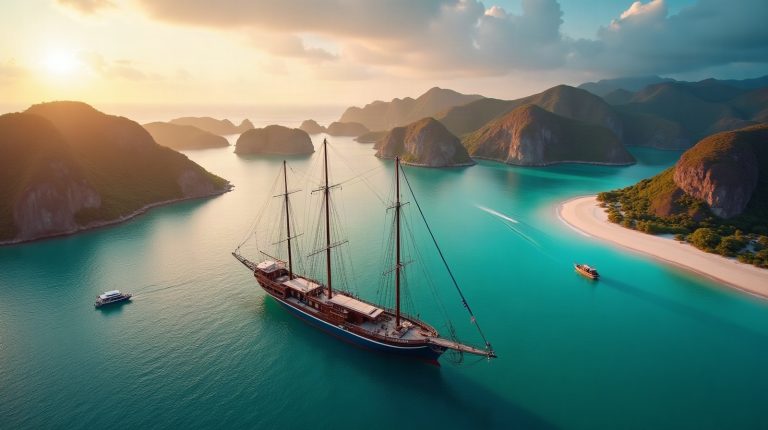
Sumba, an island rich in culture and natural beauty, is a hidden gem just a short journey from Bali. Known for its stunning beaches, breathtaking waterfalls, and unique traditional villages, Sumba offers a diverse range of experiences that appeal to any traveler looking to explore Indonesia beyond Bali. With direct flights and local ferries connecting these two islands, Sumba is an accessible and must-visit destination for Bali tourists.
Getting to Sumba from Bali
Traveling from Bali to Sumba has never been easier. The most efficient method is to fly from Ngurah Rai International Airport (DPS) to Sumba’s Umbu Mehang Kunda Airport (KOD). Airlines like Wings Air and Garuda Indonesia offer daily flights, with prices ranging from $75 to $150 USD per person for a one-way ticket. The flight duration is approximately 1 hour and 15 minutes, making it a quick and convenient option for those eager to explore.
Alternatively, for the more adventurous, taking a ferry can be a unique experience. Ferries leave from Bali’s Padangbai Harbor to Sumba’s Waingapu Harbor, taking around 24 hours. This option is less frequent and may cost around $30 to $50 USD, depending on the service provider. While the ferry ride can be long, it offers a chance to take in the maritime beauty of Indonesia.
Stunning Beaches in Sumba
One of the best places to visit in Sumba from Bali is undoubtedly its pristine beaches. Here are some must-see spots for beach lovers:
- Wanokaka Beach: Known for its dramatic cliffs and turquoise waters, Wanokaka is perfect for sunbathing and photography. The beach is located about 30 minutes from the town of Waikabubak.
- Tarimbang Beach: This secluded paradise is ideal for swimming, with clear waters and gentle waves. It’s about a two-hour drive from Waikabubak, and the scenic route offers stunning views of Sumba’s landscapes.
- Sumba Beach: Famous for its white sand and crystal-clear waters, Sumba Beach attracts surfers and sun-seekers alike. The beach is located near the capital city, and facilities such as beach bars are available.
Many of these beaches are less crowded than those in Bali, offering a tranquil atmosphere for relaxation and exploration. The best time to visit these beaches is between April and October when the weather is dry and sunny.
Famous Waterfalls in Sumba
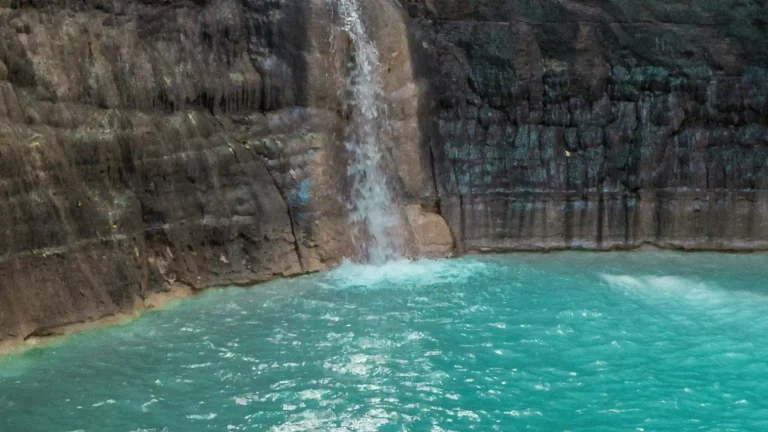
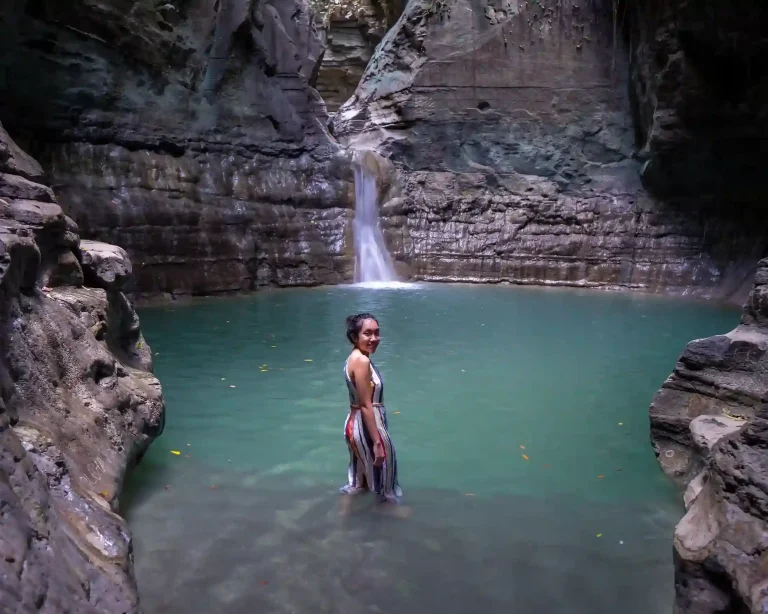
One cannot talk about Sumba without mentioning its breathtaking waterfalls. Here are some of the most famous waterfalls that you should not miss:
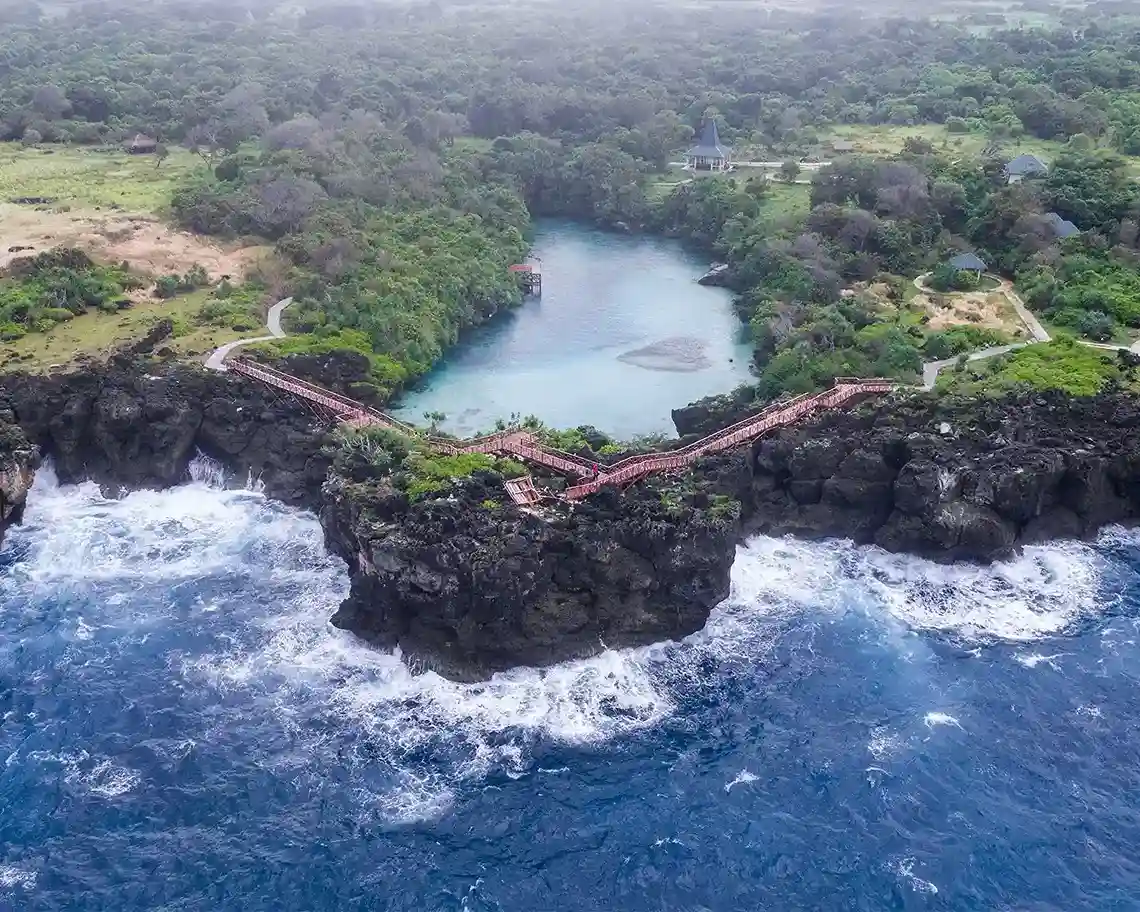
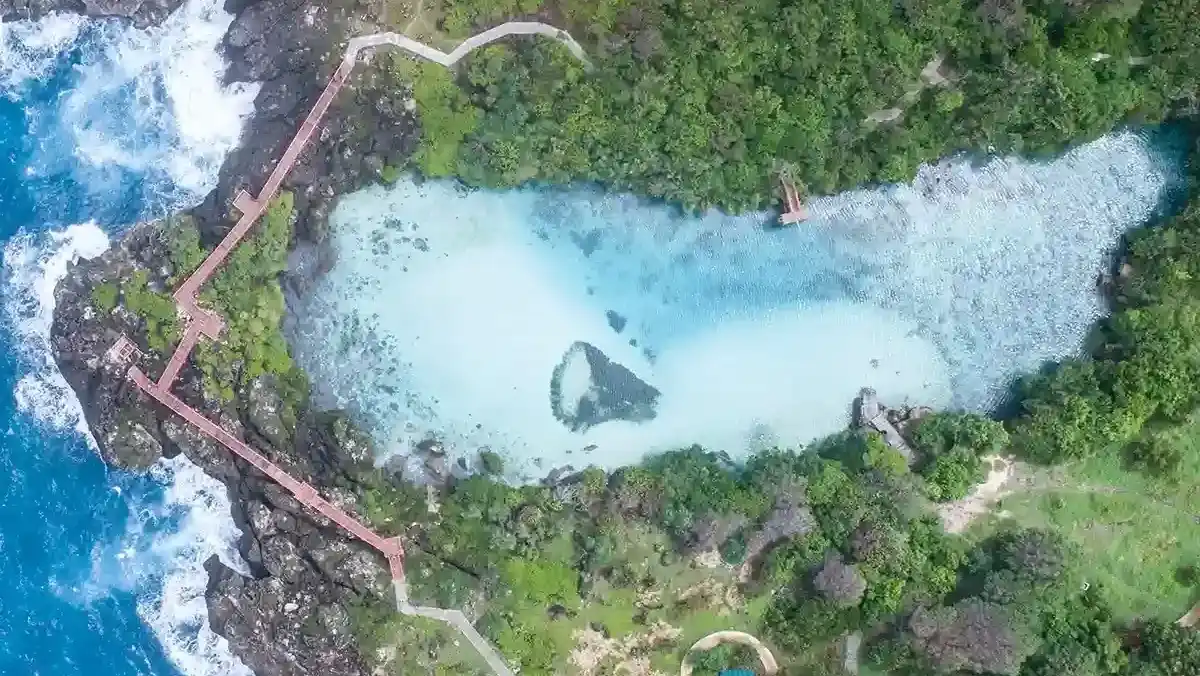
- Weekuri Lake and Waterfall: Known for its stunning blue waters, Weekuri is a natural lagoon surrounded by cliffs. It offers incredible swimming opportunities, and the adjacent waterfall provides a picturesque backdrop. It’s located about an hour’s drive from the town of Waitabula.
- Tanggedu Waterfall: This multi-tiered waterfall is one of Sumba’s most beautiful gems. It requires a short trek to reach but rewards visitors with stunning views and swimming opportunities. The best time to visit is in the rainy season (November to March), where the falls are at their most spectacular.
- Lapopu Waterfall: Located in the Lapopu Nature Reserve, this waterfall is about 45 minutes from Waikabubak. The 90-meter drop creates a beautiful pool, perfect for a refreshing dip.
These waterfalls are not just great for swimming but also offer fantastic photography opportunities, especially during the golden hours of sunrise or sunset.
Traditional Villages of Sumba
Sumba is known for its rich cultural heritage, and visiting traditional villages is a fantastic way to immerse yourself in the local way of life. Here are some traditional villages for Bali tourists that provide a glimpse into Sumba’s unique culture:
- Praiyawang Village: Famous for its traditional houses and megalithic tombs, this village showcases the unique architecture of Sumba and the significance of ancestral worship.
- Ratenggaro Village: Located near the coast, Ratenggaro is known for its stunning views and traditional houses built on stilts. Visitors can learn about the local customs and even participate in traditional ceremonies.
- Waikelo Village: This village is renowned for its unique ikat weaving technique. Travelers can observe local artisans at work and purchase beautiful textiles directly from the source.
Visiting these villages offers an opportunity to interact with the locals and experience their rituals, music, and dance, which are integral to Sumba’s identity.
Sumba’s Scenic Viewpoints
For photographers, Sumba boasts some breathtaking viewpoints that are perfect for capturing the island’s stunning landscapes. Here are some of the best viewpoints for Bali photographers:
- Waitabula Hill: Offering panoramic views of the surrounding valleys and beaches, Waitabula Hill is a must-visit for sunset chasers. It’s easily accessible by car from Waikabubak.
- Wairinding Hill: Known for its lush green hills and breathtaking vistas, Wairinding is one of the most Instagrammable spots in Sumba. A visit around sunrise or sunset provides the most magical light.
- Wai Sumba Viewpoint: Located near the coast, this viewpoint looks over the vast blue ocean and is particularly stunning during the dry season.
These viewpoints not only provide stunning photo opportunities but also allow travelers to connect with Sumba’s natural beauty.
Adventure Activities in Sumba
For those seeking adventure, Sumba has plenty to offer, including exhilarating activities like horse riding on the beach. Sumba is renowned for its horses, and various local stables offer horseback riding tours along its beautiful beaches and through the scenic hinterland. Prices for a guided horseback riding tour typically range from $30 to $80 USD for a 2-3 hour experience, depending on the operator.
Another popular activity is diving, particularly around the islands of Sumba. The depth of the dives can range from 12 to 30 meters, and the vibrant coral reefs are a diver’s paradise. Dive shops in Sumba often offer packages starting from $60 USD, including equipment rental and guides. The best diving conditions can be found between April and November when visibility is at its peak.
Exploring Sumba’s Lagoons and Blue Wells
Sumba is also famous for its natural lagoons and blue wells, which are extraordinary natural attractions. Here are a couple of highlights:
- Weekuri Lagoon: This unique saltwater lake is surrounded by cliffs and is perfect for swimming. The water is an incredible shade of blue, making it a photographer’s dream.
- Blue Wells: Located near the village of Ratenggaro, these wells are known for their crystal-clear blue water, which is ideal for a refreshing dip on a hot day.
Both of these locations are excellent for relaxing and enjoying Sumba’s natural beauty. They offer unique swimming experiences that you simply cannot find in Bali.
Frequently Asked Questions
1. What is the best time to visit Sumba?
The best time to visit Sumba is during the dry season, from April to October, when the weather is sunny and perfect for outdoor activities.
2. How long should I stay in Sumba?
A stay of 4 to 7 days is ideal to explore the island’s attractions fully, including beaches, villages, and waterfalls.
3. Is Sumba suitable for families?
Yes, Sumba offers a range of activities suitable for families, including beach fun, cultural experiences, and nature exploration.
Whether you seek adventure, relaxation, or cultural immersion, Sumba is a destination that promises an unforgettable experience. From stunning beaches and waterfalls to vibrant traditional villages and breathtaking viewpoints, there’s something for everyone. So, pack your bags and get ready to explore the best of Sumba after your Bali trip!