Is It Safe to Travel from Bali to Sumba for Tourists?
- Bali to Sumba Travel Guide Editorial Desk
- Updated
- 11 min read
On This Page
Yes, it is overwhelmingly safe to travel from Bali to Sumba for tourists who take standard precautions. Sumba offers a secure environment for discerning travelers, with safety considerations centered more on its remote nature and unique culture than on crime.
- Health & Medical: Primary risks are mosquito-borne illnesses and limited advanced medical facilities; luxury resorts often have on-site medical staff.
- Transportation: The 90-minute flight is reliable, but on-island travel requires a reputable private driver due to variable road conditions.
- Cultural Immersion: Engaging a knowledgeable local guide is crucial for navigating ancient traditions and ensuring respectful interactions in villages.
The air shifts the moment you step off the turboprop onto the tarmac at Tambolaka. Gone is the frangipani-scented humidity of Denpasar, replaced by a drier, earthier breeze carrying the scent of savanna grass and distant woodsmoke. You are on Sumba, an island just 400 kilometers southeast of Bali, yet a world away in spirit and rhythm. Here, the measure of time is not the relentless tick of a clock but the slow, deliberate clack of an ikat loom and the thunder of hooves as wild horses gallop across vast, open plains. The question we often receive from our readers isn’t about Sumba’s allure—that is undeniable—but about its accessibility and security. For the traveler accustomed to the polished infrastructure of Seminyak, the raw authenticity of Sumba can raise a primary concern: is it truly a safe endeavor?
Journey: From Bali’s Bustle to Sumba’s Solitude
The transition from Bali to Sumba is a crucial first step in your journey, and I can report that it is a well-established and secure travel corridor. The primary mode of transport is by air, with daily flights departing from Bali’s Ngurah Rai International Airport (DPS) to Sumba’s two main airports: Tambolaka (TMC) in the west and Waingapu (WGP) in the east. Airlines such as Wings Air and NAM Air operate these routes, typically utilizing ATR 72 twin-turboprop aircraft. The flight itself is brief, lasting between 60 to 90 minutes. From my experience, these are routine, professional operations, no different from island-hopping flights in the Caribbean or the Greek Isles. Delays can happen, as with any air travel in a tropical region, but safety standards are maintained. The cost for a one-way ticket generally ranges from $80 to $150 USD, depending on the season and how far in advance you book.
Upon arrival, the difference in scale is immediately apparent. Tambolaka airport, the more common entry point for those heading to premier resorts like NIHI Sumba or Lelewatu, is a small, efficient facility. Security is present but low-key. The key to a seamless and safe experience here is pre-arranged transport. Unlike Bali, you will not find a throng of taxis or ride-sharing services. All reputable lodges and tour operators, including those curated by our Bali to Sumba — Flight + Resort + Cultural Tour Guide, provide dedicated airport transfers. This is not merely a convenience; it is an essential safety measure. Your driver will be waiting, ready to navigate the rural roads and ensure you reach your destination without issue. This initial leg of the journey sets the tone: Sumba’s safety is predicated on preparation and relying on trusted, local expertise.
Health and Wellness on a Remote Island
A primary consideration when evaluating if it is safe to travel from Bali to Sumba is the health and medical landscape. Sumba is a developing island, and its medical infrastructure is not as comprehensive as Bali’s or what you would find in a Western country. There are local hospitals and smaller clinics, or puskesmas, but they are equipped for basic care. For any serious medical emergency, an evacuation to Bali or even Singapore would be necessary. This is precisely why comprehensive travel insurance with medical evacuation coverage is not just recommended—it is non-negotiable for any traveler heading to Sumba. We advise our readers to ensure their policy covers activities like surfing or horseback riding if they plan to partake.
The main health concerns are environmental. According to health authorities, Sumba is a malarial zone, though the risk is considered low in the coastal areas where most luxury resorts are located. Still, it is wise to consult your doctor about anti-malarial prophylaxis before your trip. Dengue fever, another mosquito-borne illness, is also present. The most effective defense is prevention: use a DEET-based insect repellent, wear long sleeves and trousers at dawn and dusk, and choose accommodation with air-conditioning or well-screened windows. The leading resorts are diligent about mosquito control on their properties. It is also critical to drink only bottled or purified water; the tap water is not potable. A well-stocked personal first-aid kit with antiseptics, bandages, pain relievers, and any personal medications is also a prudent accessory for your luggage. The reality is that for the prepared luxury traveler, these risks are easily managed, allowing you to focus on the island’s profound beauty.
Cultural Etiquette and Respectful Interaction
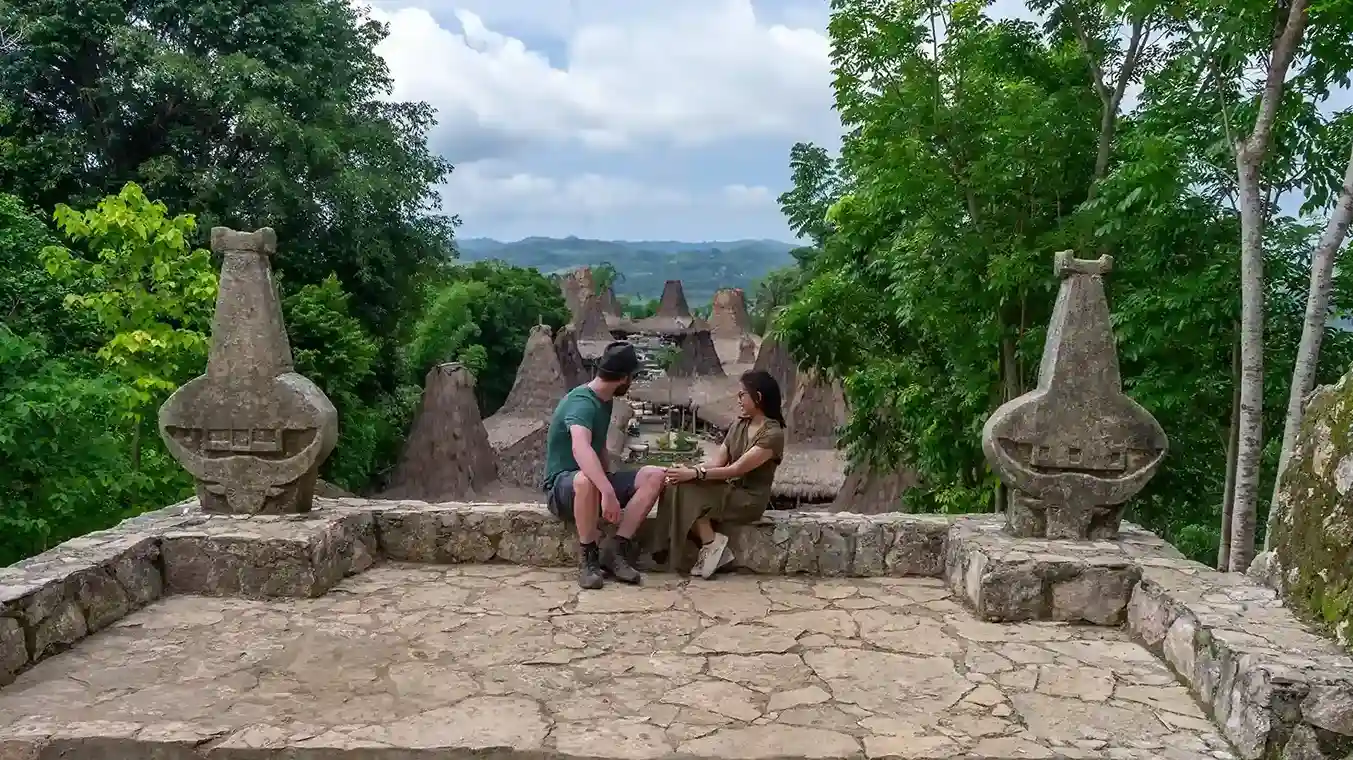
Sumba’s safety extends beyond physical well-being to encompass cultural sensitivity. The island is home to one of Indonesia’s most intact indigenous cultures, revolving around the animistic Marapu belief system. This ancient faith, centered on ancestor worship and intricate rituals, governs all aspects of life. For a tourist, navigating this can be intimidating, but with the right guidance, it becomes a deeply enriching experience. The most important safety tool here is a knowledgeable local guide. Attempting to visit traditional villages like Ratenggaro or Praiijing on your own is ill-advised. A guide acts as your cultural translator, ensuring you do not inadvertently cause offense. They will know the proper etiquette, such as bringing small gifts (betel nuts are traditional), asking for permission before taking photographs, and understanding which areas are sacred or off-limits. This is a core component of the curated experiences offered by the Bali to Sumba Travel Guide.
Many travelers are drawn to Sumba for its spectacular Pasola festival, a ritual battle between two teams of horsemen. While it appears chaotic and even violent, with wooden spears thrown, it is a sacred and highly regulated ceremony. Tourists are welcome to observe from designated areas, and with a guide, it is a safe and unforgettable spectacle. Beyond grand festivals, daily life is governed by customs. As noted by Indonesia’s official tourism board, respecting elders and local traditions is paramount. The Sumbanese people are remarkably hospitable, but their culture is built on a complex social structure. Understanding this, even at a surface level, ensures your interactions are positive. Your safety here is tied to respect; show it, and you will be welcomed with extraordinary warmth and openness, gaining access to a world that has vanished in most corners of the globe.
On-the-Ground Transportation and Infrastructure
Once you have made the seamless flight from Bali, the question of on-island safety becomes a matter of logistics and infrastructure. Sumba’s road network has seen significant improvement over the past decade, with many main arteries now paved. However, venturing off the primary routes to reach secluded beaches, waterfalls, or remote villages often means traversing unpaved, bumpy, and occasionally challenging tracks. This is not a place for a rental scooter or a standard sedan. The only sensible and safe way to explore the island is with a private vehicle and an experienced local driver. A robust 4×4 vehicle is the standard for most tour operators and high-end resorts for good reason. It provides the necessary clearance and traction for the variable terrain, ensuring both comfort and security.
The cost for a private car and driver for a full day of exploration typically runs from 1,000,000 to 1,500,000 IDR (approximately $65 to $95 USD). This price includes the driver’s expertise, fuel, and the peace of mind that comes with having a local who understands the road conditions, knows the unmarked turnoffs, and can handle any minor mechanical issues. There is virtually no reliable public transportation system for tourists, and attempting to navigate the island independently is not a viable option. At Departures, we always stress that for a destination like Sumba, your driver is more than just a chauffeur; they are your guide, your security, and your key to unlocking the island’s secrets safely. Planning your bali to sumba itinerary with pre-booked, reputable transport is the single most important decision you will make for your on-ground safety.
A Look at Crime and Personal Security
For many travelers, the word “safe” is primarily a question of crime. I can state with confidence that Sumba has a very low incidence of crime, especially when compared to more touristed areas like Bali. The strong, community-oriented nature of Sumbanese culture, governed by traditional laws (adat), acts as a powerful social deterrent. Issues like petty theft, scams, or muggings, which can be a concern in bustling hubs, are exceedingly rare here. The local population is generally shy, curious, and welcoming towards foreign visitors. In my years of covering this region, I have never received a report of a serious crime against a tourist on Sumba. The primary security focus for visitors should be on respecting the culture and natural environment, not on personal security in the conventional sense.
Of course, standard common sense always applies. It is not wise to flash large amounts of cash or expensive jewelry, particularly in rural villages. Securing your valuables in your hotel room safe is always a good practice, no matter where you are in the world. The greatest “dangers” on Sumba are not human but natural: a strong ocean current at an unguarded beach, a misstep on a rocky trail, or dehydration under the tropical sun. The security provided by top-tier resorts like NIHI Sumba—which was famously voted the number one hotel in the world for two consecutive years—is comprehensive, with 24/7 on-site security personnel. However, their presence is more for operational management and guest peace of mind than a response to any tangible external threat. The overwhelming feeling on Sumba is one of tranquility and security, an island where the social fabric itself is your greatest protection.
Quick FAQ: Your Sumba Safety Questions Answered
Is Sumba safe for solo female travelers?
Yes, Sumba can be a safe and rewarding destination for solo female travelers, provided they take specific precautions. The key is to not travel truly “solo.” We strongly advise against independent exploration. Instead, work with a reputable tour operator or stay at a high-end resort that can arrange a trusted private driver and guide. This provides a secure and vetted escort for all excursions, ensuring both safety and a richer cultural experience. Local custom is conservative, so dressing modestly (covering shoulders and knees) when visiting villages is a sign of respect that will be appreciated.
What about natural disasters like earthquakes or tsunamis?
Like all of Indonesia, Sumba is located in the Pacific Ring of Fire, a seismically active zone. Earthquakes are a possibility. However, the risk is no greater here than in Bali, Lombok, or other parts of the archipelago. Reputable resorts are built to modern construction standards and have established safety and evacuation protocols. Being aware of tsunami evacuation routes, especially if you are staying on the coast, is a standard precaution for travel anywhere in this region. The threat is statistically low but is a known environmental hazard of the area.
Are there any dangerous animals or insects to be aware of?
While Sumba’s landscape feels wild, the risk from wildlife is minimal. There are snakes, but they are rarely encountered. The most significant nuisance, as mentioned, comes from mosquitoes, making repellent an essential part of your kit. In the ocean, be mindful of currents and coral reefs. It is always best to ask for local advice from your hotel or guide about the safest spots for swimming and surfing. There are no large land predators that pose a threat to humans.
Ultimately, Sumba is a destination that rewards the prepared traveler. Its wildness is its charm, and its remoteness is its luxury. By understanding the cultural landscape, arranging for proper transportation, and taking basic health precautions, you will find that the journey from bali to sumba is not only safe but transformative. It is an invitation to step into a different world, one of ancient traditions and immense natural grandeur, with the full assurance of security. For those ready to explore one of Indonesia’s final frontiers, our team has curated a selection of vetted itineraries and insider guides to ensure your adventure is as seamless as it is profound. Explore our comprehensive Bali to Sumba travel packages to begin planning your expedition.