Comparing Bali Vs Sumba: Which Island Suits You?
- Bali to Sumba Travel Guide Editorial Desk
- 7 min read

On This Page
Comparing Bali Vs Sumba: Which Island Suits You?
When planning a trip to Indonesia, the debate often arises: Bali vs Sumba, which is better? Both islands are rich in culture and natural beauty, but they offer vastly different experiences. Bali is known for its vibrant atmosphere and bustling crowds, while Sumba is a hidden fering tranquility and unspoiled landscapes, making it a compelling choice for those seeking a unique adventure.
The Essence of Bali vs Sumba
Bali, renowned for its lush rice terraces, sandy beaches, and vibrant nightlife, attracts millions of tourists each year. In contrast, Sumba remains a relatively undiscovered paradise known for its picturesque landscapes, traditional villages, and rich cultural heritage. With a population of around 4.3 million, Bali can feel crowded, especially during peak months like July and August. Sumba, on the other hand, has a population of approximately 800,000, ensuring a much quieter experience.
Accessibility and Travel Duration
Getting to Bali and Sumba is remarkably different. Bali’s Ngurah Rai International Airport (DPS) receives numerous international flights daily, making it easily accessible from anywhere in the world. From Bali, you can catch a direct flight to Sumba’s Tambolaka Airport (TMC) with a travel time of approximately 1 hour and 15 minutes. Round-trip flights from Bali to Sumba typically cost around $100 to $150 USD (1,500,000 to 2,250,000 IDR).
For those who prefer a more adventurous route, you can also opt for a ferry from Bali to Sumba, which takes about 24 hours and costs around $10 to $20 USD (150,000 to 300,000 IDR), but this option is not always available based on seasonal schedules.
Bali Crowds vs Sumba Quiet
One of the most significant contrasts between Bali and Sumba is the atmosphere. Bali, particularly in areas like Kuta, Seminyak, and Ubud, is known for its lively nightlife, bustling markets, and large crowds. Expect throngs of tourists at popular sites like Tanah Lot and the Ubud Monkey Forest, especially between June and September. However, if you venture to northern or eastern Bali, such as Lovina or Amed, you can still find quieter spots.
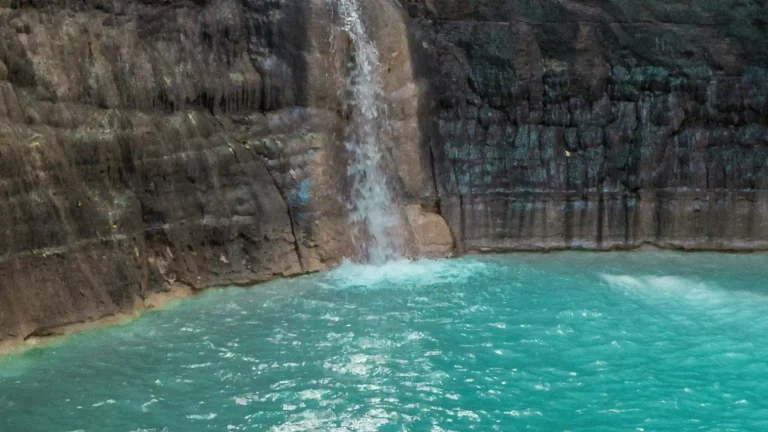
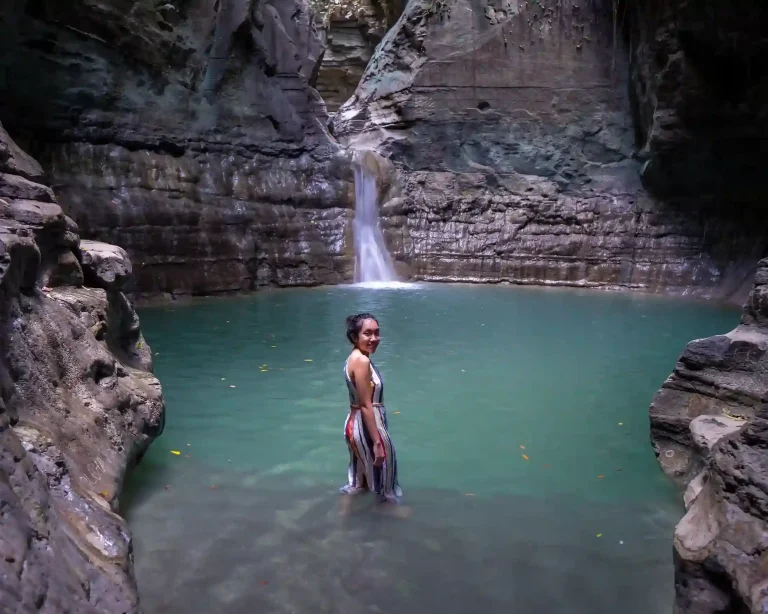
On the other hand, Sumba offers a serene escape. With pristine beaches like Weekuri Lagoon and the stunning landscapes of the Wairinding Hill, visitors can enjoy solitude and unspoiled nature. If you crave peace away from the commercial buzz, Sumba is definitely worth the visit.
Bali vs Sumba for Honeymoon
Both Bali and Sumba have their charms for honeymooners, but the experiences differ significantly. Bali is often viewed as a romantic destination due to its luxurious resorts, world-class dining, and lively environment. Couples can indulge in spa treatments at upscale hotels like The Mulia or Four Seasons, enjoy candlelit dinners on Jimbaran Beach, or explore the vibrant cultural scene.
However, if you’re seeking a more intimate and authentic experience, Sumba could be the ideal destination. With luxurious resorts such as Nihiwatu and its breathtaking private beaches, couples can experience a more secluded and romantic atmosphere. Imagine horseback riding along idyllic shores or enjoying a private dinner under the stars, away from the crowds. Sumba allows for a deep connection with nature and each other, creating lasting memories.
Bali vs Sumba for Surfing
Surfing enthusiasts often flock to Bali for its world-famous waves. Spots like Uluwatu, Canggu, and Padang Padang cater to surfers of all levels. The surf season is most favorable from May to September when the swells are consistent, and the water temperatures average around 82°F (28°C). Surfboard rentals typically range from $5 to $10 USD (75,000 to 150,000 IDR) per day.
However, Sumba is increasingly gaining recognition for its surfing potential, particularly at places like Nihiwatu, known as the “crown jewel” of Sumba’s surf spots. The waves are less crowded, and surfers can catch some excellent swells, especially from April to November. The pristine beaches and clear waters make this an attractive alternative, offering both adventure and solitude.
Bali vs Sumba for Families
Traveling with family can be an entirely different experience depending on the island you choose. Bali provides a range of family-oriented activities, from water parks like Waterbom Bali to cultural experiences such as Balinese dance performances. Families can also enjoy visiting the Bali Zoo and Safari or taking part in family-friendly cooking classes. Accommodation options are plentiful, with family suites often available in resorts like the Hard Rock Hotel or Club Med.
In contrast, Sumba offers a more immersive cultural experience. Families can spend time visiting traditional villages, learning about local customs, and enjoying the natural beauty of the island. The beaches are perfect for kids to explore, and the island’s tranquility allows for quality bonding time. While there may be fewer organized activities compared to Bali, the opportunities for adventure and learning can make for a memorable family trip.
Bali vs Sumba Cost Comparison
budget, Bali typically offers a wider range of accommodations and dining options, making it more accessible for travelers with varying budgets. You can find hostels starting at around $10 USD (150,000 IDR) per night, up to luxurious villas costing several hundred dollars. Dining can range from street food costing as little as $2 USD (30,000 IDR) to upscale restaurants with meals exceeding $30 USD (450,000 IDR) per person.
Sumba, on the other hand, might be a bit more expensive accommodations, as the luxury resorts are limited and can cost between $150 and $400 USD (2,250,000 to 6,000,000 IDR) per night. However, local dining can be quite affordable, with meals often costing under $10 USD (150,000 IDR). Overall, while Bali may offer cheaper options, Sumba provides unique, high-end experiences that can justify the cost for those seeking something special.
Bali vs Sumba Culture Experience
Cultural immersion is a defining factor when comparing Bali and Sumba. Bali boasts a rich Hindu culture, evident in its numerous temples, art, and traditional performances. The island hosts various festivals throughout the year, such as Nyepi (Day of Silence) in March and Galungan, where locals celebrate with ceremonies and feasts.
In contrast, Sumba’s culture is deeply rooted in its indigenous traditions. Visitors can explore megalithic tombs, witness unique rituals, and enjoy the striking weaving craftsmanship famous in the region. One of the most notable events is the Pasola Festival, held in February or March, where local warriors engage in a traditional horseback battle as a part of a harvest ritual. This festival is an extraordinary showcase of Sumba’s cultural heritage and worth planning your trip around.
Conclusion
Ultimately, the choice between Bali and Sumba depends on what you seek from your Indonesian adventure. If you prefer vibrant nightlife, a plethora of activities, and ease of access, Bali is your destination. However, if tranquility, cultural authenticity, and less crowded beaches call to you, Sumba is undoubtedly worth visiting. Each island has its distinct allure, promising rich experiences that cater to different tastes and preferences.
FAQ
1. Is Sumba worth visiting from Bali?
Absolutely. While Bali offers a bustling atmosphere, Sumba provides serene landscapes and a unique cultural experience that can be refreshing and memorable.
2. Which island is better for families?
Bali has more family-friendly activities and amenities, but Sumba offers a quieter environment and cultural experiences that families can enjoy together.
3. What is the best time to visit Bali and Sumba?
The best time to visit both islands is during the dry season, from April to October, when you can enjoy pleasant weather and outdoor activities.
Whether you choose Bali or Sumba, both islands offer unique experiences that will leave lasting impressions. Start planning your adventure today!