Bali To Sumba For Solo Travellers And Digital Nomads
- Bali to Sumba Travel Guide Editorial Desk
- 6 min read
On This Page
- Bali to Sumba for Solo Travellers and Digital Nomads
- Understanding the Journey: Bali to Sumba
- Is Sumba Safe for Solo Female Travellers?
- Digital Nomad Side Trip from Bali to Sumba
- Meeting Locals in Sumba from Bali
- Bali to Sumba Backpacker Tips
- Staying Longer Term in Sumba After Bali
- Exploring Sumba’s Natural Wonders
- Frequently Asked Questions
Bali to Sumba for Solo Travellers and Digital Nomads
For those seeking an adventure far removed from the hustle of Bali, Sumba offers an untouched paradise with rich culture and stunning landscapes. This journey is ideal for solo travellers and digital nomads looking to escape the crowds, immerse themselves in local traditions, and find unique working environments in breathtaking surroundings.
Understanding the Journey: Bali to Sumba
To travel from Bali to Sumba, most visitors take a short flight which typically lasts about an hour and a half. Airlines like Garuda Indonesia and Wings Air offer regular flights from Ngurah Rai International Airport (DPS) to Umbu Mehang Kunda Airport (WGP) in Sumba. Prices can vary, but expect to pay around $50-$100 USD (750,000 – 1,500,000 IDR) for a one-way ticket. Flights are more frequent from March to October, coinciding with the dry season, making this the best time to plan your trip.
Is Sumba Safe for Solo Female Travellers?
Sumba is generally regarded as safe for solo female travellers. The local population is known for its hospitality, making it easy to engage with the community and form connections. However, like anywhere else, it’s important to exercise caution. Dress modestly, especially when visiting villages or religious sites. Travel during daylight hours, and if you’re venturing to rural areas, consider hiring a local guide to enhance your experience and ensure your safety.
Digital Nomad Side Trip from Bali to Sumba
As a digital nomad, finding a suitable working environment is crucial. While Sumba is less developed than Bali, it offers a unique opportunity for those who prefer a quieter setting. Towns such as Waingapu and Tarung are the main hubs where you can find accommodations with reliable Wi-Fi, including guesthouses and hotels. Expect to pay around $20-$40 USD (300,000 – 600,000 IDR) per night for decent accommodations. Some popular spots include:
- Villa Naga: Located in Waingapu, it offers stunning views and a peaceful atmosphere.
- Sumba Hospitality Foundation: This establishment provides unique experiences and supports local communities.
Many cafes also cater to remote workers, with Wi-Fi available. However, be prepared for occasional connectivity issues. Download necessary files ahead of time, and consider working early in the morning or late afternoon when the internet tends to be more stable.
Meeting Locals in Sumba from Bali
Engaging with the local community is one of the most rewarding aspects of visiting Sumba. The island is known for its rich traditions and cultural heritage, including unique weaving techniques and traditional ceremonies. Many visitors recommend joining community tours, which can be arranged through local guesthouses or tour operators.
Popular ways to meet locals include:
- Participating in Traditional Festivals: Events like the Pasola Festival, held in February or March, offer an immersive cultural experience.
- Visiting Local Markets: The Waingapu market is a great place to buy handcrafted products and connect with artisans.
Spending time in local villages and attending workshops can also provide insights into the Sumbanese way of life. The locals appreciate when visitors show genuine interest in their customs.
Bali to Sumba Backpacker Tips
If you’re travelling on a budget, Sumba offers various options for backpackers. While it may lack the extensive hostel network seen in Bali, there are still affordable guesthouses and homestays available. Here are some tips to enhance your backpacking experience:
- Transportation: Public transport options are limited, so consider renting a motorbike for around $10 USD (150,000 IDR) per day for greater freedom to explore.
- Food: Local warungs (small eateries) offer delicious meals for as little as $2-$5 USD (30,000 – 75,000 IDR).
- Attractions: Don’t miss the stunning beaches like Weekuri Lagoon and Pantai Tarimbang, which are free or have minimal entry fees.
Staying Longer Term in Sumba After Bali
Many Bali-based remote workers consider extending their stay in Sumba. The island is perfect for those seeking a slower pace of life with ample opportunities for adventure. With a growing community of expatriates, Sumba is becoming increasingly popular as a long-term destination for digital nomads.
To stay longer, consider these options:
- Accommodations: Look for monthly rental agreements in guesthouses or private villas. Prices can range from $300 to $800 USD (4,500,000 – 12,000,000 IDR) depending on the location and amenities.
- Community Groups: Joining local Facebook groups or online forums can help you connect with other expats and source local recommendations.
- Learn the Language: A few basic phrases in Bahasa Indonesia can go a long way in building relationships and making your integration smoother.
Exploring Sumba’s Natural Wonders
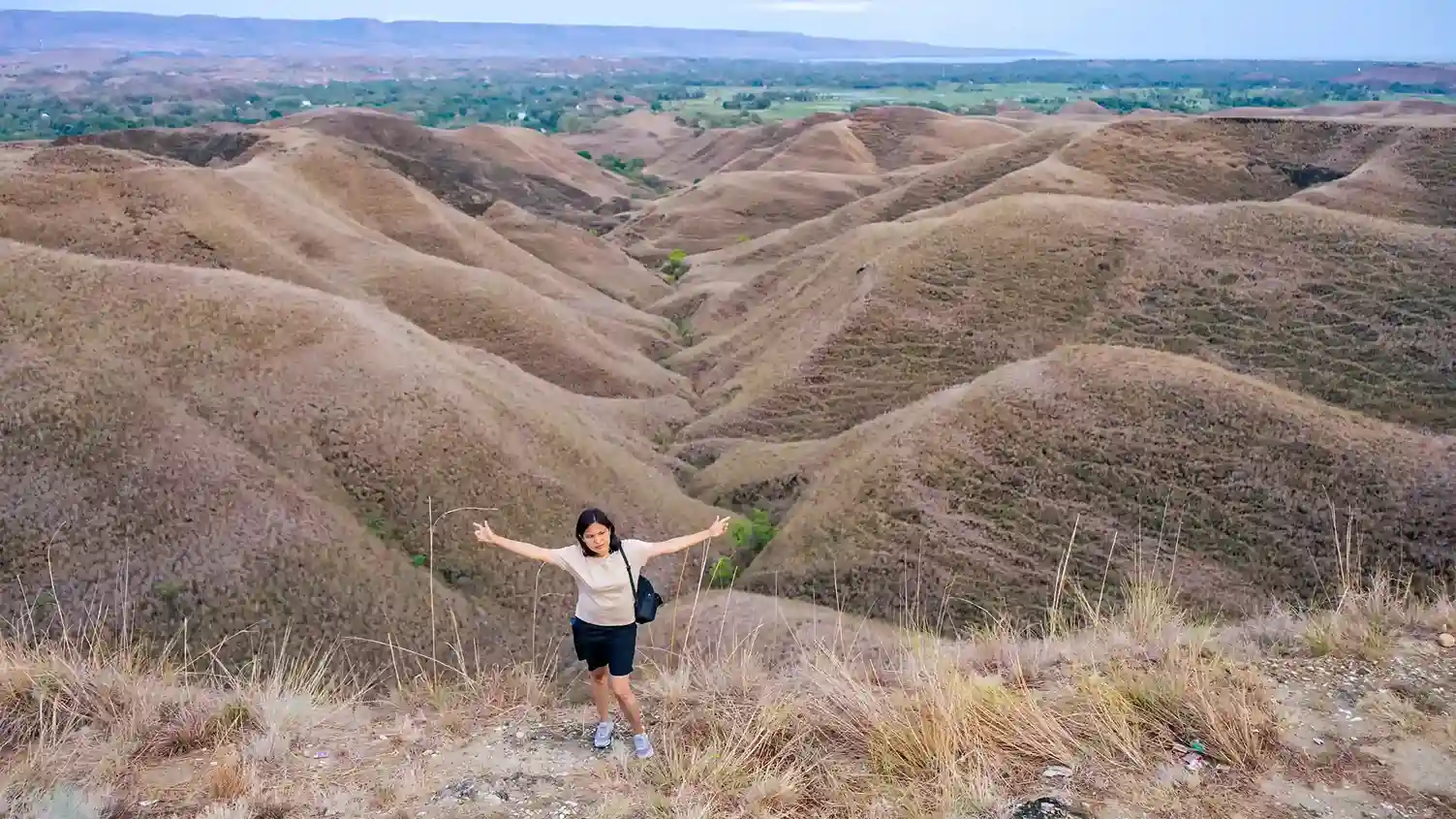
While Sumba is known for its unique culture, its stunning landscapes are equally captivating. The island features rolling hills, pristine beaches, and breathtaking waterfalls. Some must-visit spots include:
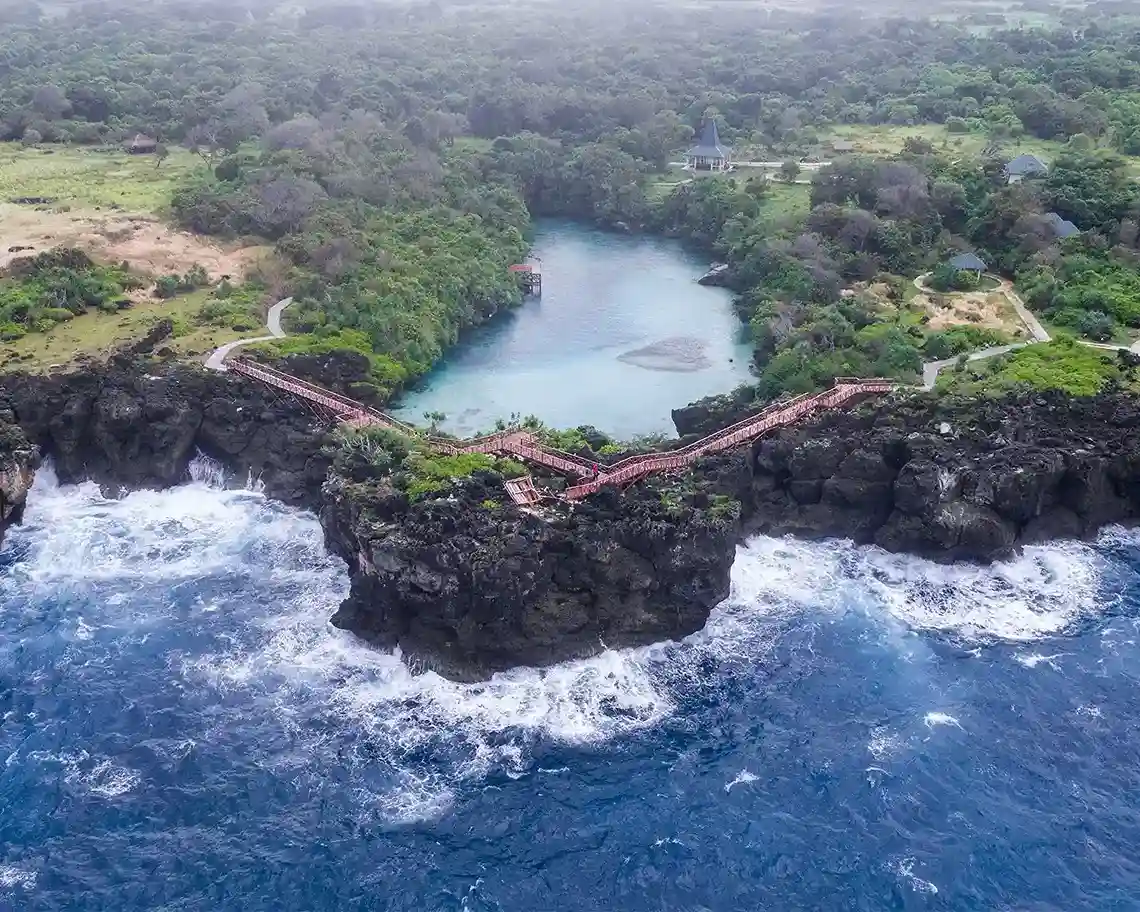
- Weekuri Lake: A beautiful saltwater lake ideal for swimming and relaxing.
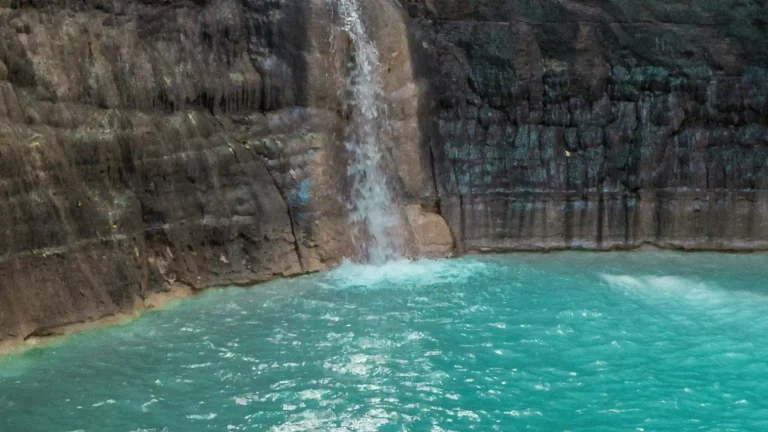
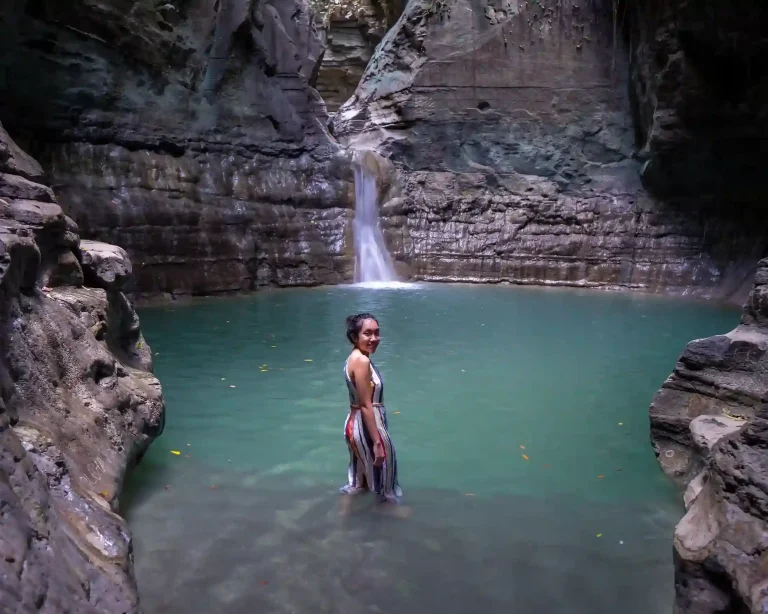
- Lapopu Waterfall: A hidden gem located in the northern part of the island, perfect for a refreshing dip after a trek through the lush surroundings.
- Kota Waingapu: The capital city offers a glimpse into local life, with vibrant markets and easy access to beautiful beaches.
For outdoor enthusiasts, consider diving or snorkeling in the crystal-clear waters around Sumba. Diving spots like Nihiwatu offer stunning coral reefs and diverse marine life. Dive operators generally charge around $50-$70 USD (750,000 – 1,000,000 IDR) for guided dives, including gear rental.
Frequently Asked Questions
What’s the best time to visit Sumba?
The best time to visit is during the dry season from April to October. This period offers sunny weather and is ideal for outdoor activities.
How accessible is healthcare in Sumba?
Healthcare facilities in Sumba are basic, with more advanced care found in Bali. Always travel with comprehensive travel insurance and consider taking necessary medications with you.
Can I find vegetarian/vegan food options in Sumba?
Yes, while traditional Sumbanese cuisine is meat-heavy, many warungs offer rice, vegetables, and tofu. Larger hotels may also cater to dietary preferences.
The journey from Bali to Sumba is not just a trip; it is an experience that connects you with breathtaking landscapes and rich culture. a solo traveller or a digital nomad, Sumba beckons with warmth and adventure. Prepare your itinerary today and embrace the serenity of this less-trodden paradise.