Health, Safety And Insurance For Bali To Sumba Trips
- Bali to Sumba Travel Guide Editorial Desk
- Updated
- 8 min read
On This Page
- Health, Safety, and Insurance for Bali to Sumba Trips
- Is Sumba Safe to Visit from Bali?
- Bali to Sumba Travel Insurance Needs
- Health Risks in Sumba vs. Bali
- Bali to Sumba Hospital Options
- Bali to Sumba Malaria or Dengue Risk
- Road Safety in Sumba from Bali
- Bali to Sumba Solo Female Safety Tips
- Bali to Sumba Emergency Contacts
- Conclusion
- Vaccinations and Health Precautions
- Emergency Contacts and Local Healthcare Facilities
- Travel Logistics: Getting Around Sumba Safely
- Understanding Local Customs and Laws
Health, Safety, and Insurance for Bali to Sumba Trips
Traveling from Bali to Sumba offers a unique glimpse into Indonesia’s rich culture and stunning landscapes. While the journey is exciting, it’s vital to understand health, safety, and insurance considerations. In this guide, we’ll explore essential factors to ensure a safe and enjoyable trip.
Is Sumba Safe to Visit from Bali?
Sumba is generally considered safe for tourists, but it’s important to stay informed and cautious. The island’s remote nature means that the infrastructure is not as developed as in Bali, but many travelers visit without issues. Petty crime is rare, but it’s advisable to keep an eye on your belongings, especially in crowded areas. Most Sumbanese are friendly and welcoming to visitors.
Before traveling, check travel advisories from your government and stay updated on the local situation. While you may encounter some natural hazards such as uneven terrain and wildlife, adherence to common-sense safety practices significantly mitigates risks.
Bali to Sumba Travel Insurance Needs
Travel insurance is a crucial aspect of planning your Bali to Sumba excursion. It protects you against unforeseen circumstances such as cancellations, medical emergencies, or theft. For a trip costing upwards of $750 (12 million IDR) per person, comprehensive travel insurance is worthwhile. Here’s what to consider:
- Medical Coverage: Ensure your policy covers medical evacuations and emergency treatment abroad. Look for coverage of at least $100,000 (1.5 billion IDR).
- Trip Cancellation: Coverage should include reasons like illness or unforeseen events that could interrupt your plans.
- Adventure Activities: If you plan on diving, trekking, or engaging in high-risk activities, verify that these are included in your coverage.
It’s advisable to select a policy that covers COVID-19-related issues, as travel requirements may still fluctuate. Policies can range from $50 to $200 (800,000 to 3.2 million IDR) depending on coverage and duration.
Health Risks in Sumba vs. Bali
While health risks exist in both Bali and Sumba, the nature of these risks differs. Bali has better health infrastructure, with numerous hospitals and clinics in Ubud, Kuta, and Seminyak. Meanwhile, Sumba’s medical facilities are limited, and it’s crucial to be prepared.
The primary health risks you may encounter include:
- Malaria: Risk is present in Sumba, particularly in rural areas. It’s recommended to take anti-malarial medication, especially if staying longer than a week.
- Dengue Fever: Both Bali and Sumba are susceptible to dengue outbreaks, especially during the rainy season (November to March). Use mosquito repellent and wear long sleeves.
- Sun Exposure: The sun in Indonesia can be intense. Use high-SPF sunscreen and stay hydrated.
Bali to Sumba Hospital Options
In Bali, the healthcare system is well-established, with several international clinics and hospitals. Notable options include BIMC Hospital in Kuta and Siloam Hospital in Denpasar. They provide quality care and are equipped to handle emergencies.
In Sumba, medical facilities are more sparse. The main hospital, RSUD Sumba Tengah, is located in Waibakul, but it may lack some advanced medical services. Travelers should consider carrying a first-aid kit and basic medications, including pain relievers, antihistamines, and any necessary prescriptions.
Bali to Sumba Malaria or Dengue Risk
As mentioned, malaria is a concern in Sumba, particularly in rural areas and during the wet season. The World Health Organization recommends anti-malarial medication for travelers visiting high-risk areas. Meanwhile, dengue fever is more widespread across both islands.
To minimize risks:
- Use mosquito repellent: Products containing DEET are most effective.
- Wear protective clothing: Long sleeves and pants can help reduce bites, especially during dawn and dusk.
- Avoid stagnant water: This can serve as a breeding ground for mosquitoes.
Road Safety in Sumba from Bali
Traveling through Sumba’s rugged terrain requires a good understanding of local road safety. Most roads in Sumba are not well-maintained, and driving standards differ significantly from Western countries. If planning to rent a vehicle, consider the following:
- Road Conditions: Expect dirt roads, potholes, and limited signage. High clearance vehicles are recommended.
- Driving Laws: Drive on the left side of the road. Ensure you have an international driver’s permit.
- Wildlife Crossings: Be mindful of animals on the road, particularly at dusk and dawn.
If you’re not confident driving, hire a local driver familiar with the terrain. Local drivers can cost around $50 (800,000 IDR) per day.
Bali to Sumba Solo Female Safety Tips
Traveling solo as a female in Sumba can be a rewarding experience, but it’s important to take precautions. The island is relatively safe, but maintaining awareness is crucial. Here are some tips for solo female travelers:
- Dress Modestly: Respect local customs by dressing conservatively. This promotes respect and minimizes unwanted attention.
- Stay Connected: Share your itinerary with friends or family and keep your phone charged. Local SIM cards are affordable and provide data for navigation.
- Trust Your Instincts: If a situation feels uncomfortable, remove yourself. Always choose reputable accommodation and transportation options.
Bali to Sumba Emergency Contacts
Knowing who to contact in emergencies can be life-saving. Here’s a list of important contacts when traveling from Bali to Sumba:
| Service | Contact Number |
|---|---|
| Police | 110 |
| Ambulance | 118 |
| Fire Department | 113 |
| RSUD Sumba Tengah (Hospital) | +62 385 22762 |
| BIMC Hospital (Bali) | +62 361 761 263 |
Conclusion
Traveling from Bali to Sumba can be an exhilarating experience filled with adventure, culture, and breathtaking scenery. However, understanding health and safety factors is crucial for a smooth journey. By securing travel insurance, staying informed about health risks, and following safety tips, you can ensure a safe and enjoyable visit. Prepare well, stay vigilant, and embrace the wonders of this Indonesian gem.
Ready to your adventure? Plan your trip today!
Vaccinations and Health Precautions
Before embarking on your Bali to Sumba journey, ensuring that you are up-to-date on vaccinations is essential. The Centers for Disease Control and Prevention (CDC) recommends vaccinations for hepatitis A and typhoid, as food and waterborne illnesses can occasionally occur in Indonesia. As of 2023, the cost for these vaccinations can range from $50 to $150 each, depending on your location and healthcare provider.
Additionally, consider getting a malaria prophylaxis, particularly if you plan to travel to more rural areas in Sumba. Medications like Malarone or doxycycline are common choices that can prevent malaria and typically cost between $30 and $70 for a course. Consult with your healthcare provider about the best options for your specific health needs and travel itinerary.
It’s also advisable to carry a basic first-aid kit containing essentials such as antiseptic wipes, band-aids, pain relievers, and any personal medications. On Sumba, pharmacies may not stock a comprehensive range of supplies, so it’s best to be prepared.
Emergency Contacts and Local Healthcare Facilities
In case of a medical emergency during your trip, it’s essential to know where to turn for help. In Sumba, the primary hospital is RSUD Umbu Rara Meha, located in Waingapu. While the hospital may not offer the same level of care found in Bali, it has basic facilities for emergency cases. Always have emergency contacts at hand, including your travel insurance provider, which should be contacted first in case of significant medical issues.
Emergency numbers to keep handy include:
- Police: 110
- Ambulance: 118
- Fire Department: 113
While many locals speak some English, especially in tourist areas, it’s a good idea to have a translation app or phrasebook handy to communicate effectively if needed. The local dialect, Sumbanese, is spoken widely, but Bahasa Indonesia is the official language and will be useful throughout your travels.
Travel Logistics: Getting Around Sumba Safely
Transportation on Sumba can be quite different from Bali. While Bali offers a plethora of ride-hailing services and established public transport, Sumba primarily relies on traditional means of transport, including motorbikes and local bemo (minibuses). Ensure you have a reliable means of transport for your trips between destinations.
Renting a motorbike can cost around $5 to $10 per day, but always wear a helmet and ensure you have an international driving permit. Alternatively, hiring a private driver for the day can range from $30 to $50, which allows you to explore more remote locations safely and comfortably.
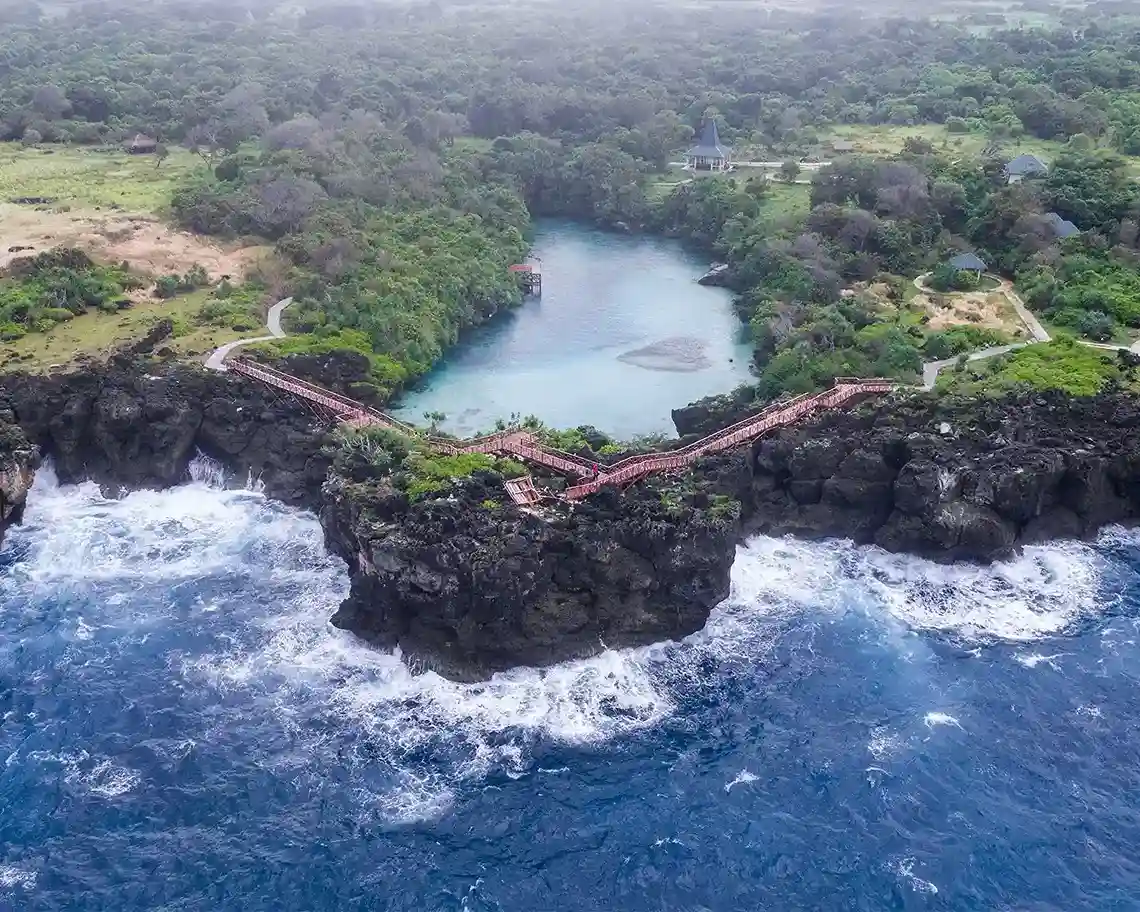
Be mindful of road conditions; many routes can be bumpy or unpaved, which makes travel times longer. For instance, the trip from Waingapu to the famous Weekuri Lake is about 2 hours and offers beautiful scenic views, but the roads may be challenging. Always check local conditions beforehand and allow extra time for travel.
Understanding Local Customs and Laws
Respecting local customs is crucial in Sumba, where traditional culture plays a significant role in daily life. Dress modestly, especially in rural areas and during visits to local ceremonies or villages. Women should consider covering their shoulders and thighs, while men should avoid wearing shorts in more conservative settings.
Sumba is known for its traditional ceremonies and rituals. If invited to participate, be respectful of customs, and always ask permission before taking photographs of people or sacred sites. Additionally, be aware that certain behaviors, such as public displays of affection, may be frowned upon. Understanding and adhering to these local norms will enrich your experience and foster goodwill with the Sumbanese people.