Sumba Resorts — Nihiwatu, Lelewatu, Maringi Premium Comparison


The Definitive Guide: How to Travel from Bali to Sumba

The Definitive Guide: How to Travel from Bali to Sumba for Nihi and Lelewatu Resorts

Sumba Resorts — Nihiwatu, Lelewatu, Maringi Premium Comparison

The air changes on the flight from Bali to Sumba. One hour you are above the saturated greens and volcanic peaks of Bali, an island of intricate, daily ceremony. The next, the landscape below shifts to a palette of ochre and savanna gold, a vast, arid terrain fringed by a brilliant turquoise sea. The transition is more than geographic; it’s a passage to an island governed by ancient animist traditions, where time is measured by the ritual calendar and the arrival of the nyale sea worms that herald the Pasola festival. This is Sumba, an island twice the size of Bali with a fraction of its population, holding a powerful allure for travelers seeking raw nature and profound cultural encounters alongside exceptional comfort. For those based in Bali, the proximity of Sumba presents a compelling extension—a journey from one of Indonesia’s most developed tourism hubs to one of its most preserved frontiers. This guide details the logistics of the Bali to Sumba transit, examines the island’s premier resorts, and provides a framework for experiencing its unique Marapu culture. See also: Home pricing.

Sumba: An Island Apart from Bali

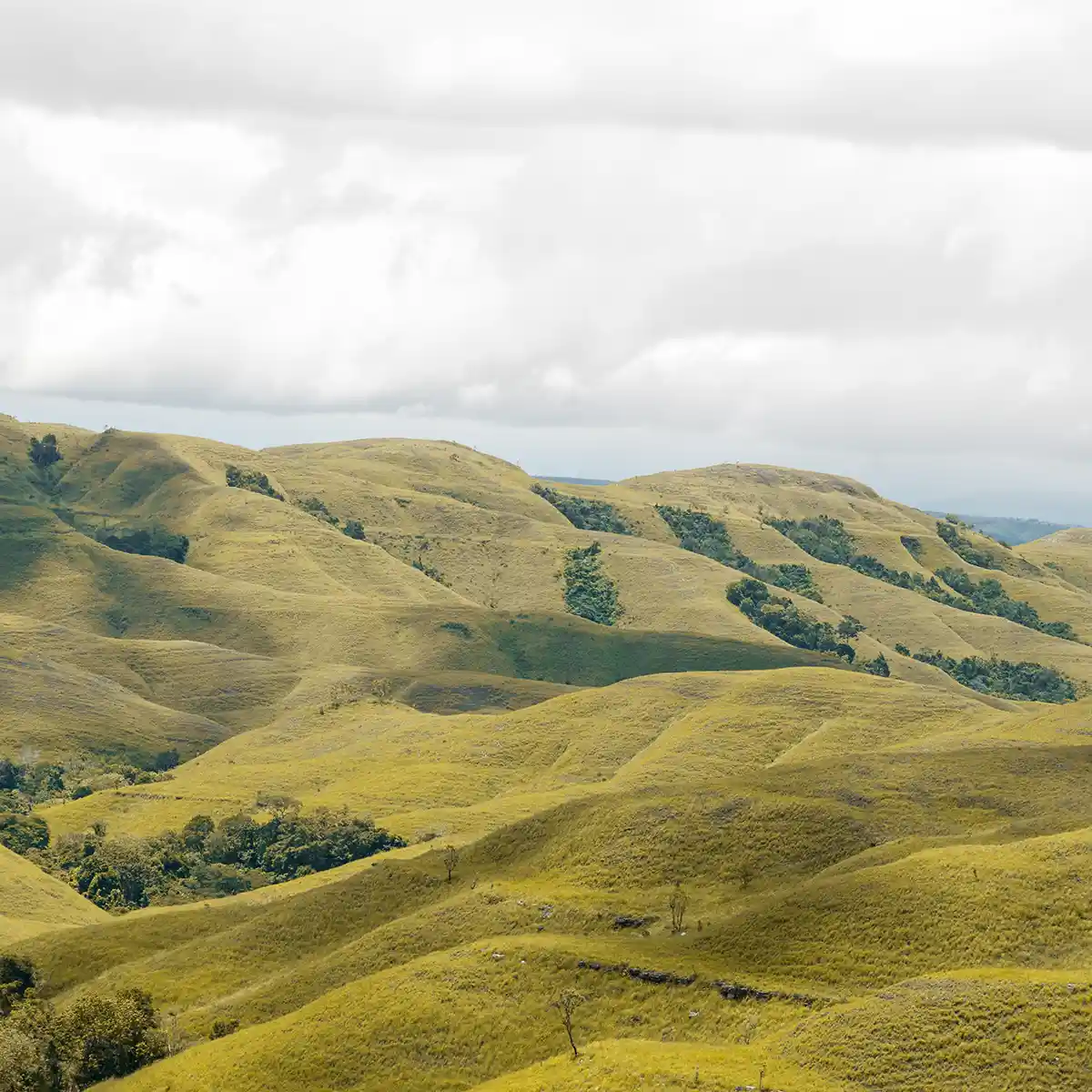
To understand the appeal of a trip from Bali to Sumba is to understand their profound differences. While Bali is predominantly Hindu-Dharma, Sumba’s spiritual life is rooted in Marapu, a complex animist belief system that venerates ancestral spirits. This ancient faith dictates every aspect of life, from the architecture of the traditional high-roofed homes (*uma mbatangu*) to the intricate motifs of the island’s celebrated ikat textiles. These cultural tenets are not relics for tourist consumption; they are the living, breathing core of Sumbanese society. The island is divided into four regencies, with West Sumba and Southwest Sumba being the primary focus for luxury travel, offering a coastline of pristine, often empty, beaches and powerful surf breaks. The interior is a tapestry of rolling hills, limestone plateaus, and hidden waterfalls like the 90-meter-tall Lapopu. Unlike the polished hospitality infrastructure of Seminyak or Ubud, Sumba offers a more elemental form of luxury, one defined by space, privacy, and direct access to a culture that has remained remarkably intact. The journey from Denpasar to Sumba is therefore not just a flight, but a deliberate step into a different cadence of life, where the annual Pasola—a ritualized battle between clans on horseback—is a more significant marker of time than the Gregorian calendar. See also: Contact.

Planning Your Transit: The Bali to Sumba Flight Corridor

The primary artery connecting Bali to Sumba island is a short but crucial air route. The entire transit, from a hotel in south Bali to a resort in Sumba, can be accomplished in half a day. All flights originate from Bali’s Ngurah Rai International Airport (DPS) in Denpasar. See also: this sumba cost guide.

Sumba has two main airports, determining your final destination based on your choice of resort:

  • Tambolaka Airport (TMC): Located in Southwest Sumba, this is the gateway for resorts like Nihi Sumba, Lelewatu Resort & Spa, and Maringi Eco Resort. The drive from TMC to these properties is typically between 60 and 90 minutes.
  • Waingapu Airport (WGP): Situated in East Sumba, this airport serves the eastern part of the island, known for its exceptional ikat weaving villages and savanna landscapes. It is the port of entry for travelers staying at resorts like The Sanubari.

The Bali to Sumba flight itself is approximately 60 to 90 minutes in duration. The route is primarily serviced by two carriers: NAM Air and Wings Air (a subsidiary of Lion Air). These airlines operate daily flights, typically in the morning and early afternoon, using ATR 72 turboprop aircraft. It is essential to book these flights well in advance, especially during peak travel seasons (July-August) and the Pasola festival period (February-March), as availability is limited. One-way fares generally range from USD 100 to USD 250, contingent on the season and how far in advance the booking is made. Most high-end resorts, including Nihi and Lelewatu, will arrange seamless airport transfers, with representatives meeting guests directly upon arrival at Tambolaka. This curated arrival process is part of the experience, transitioning you from the public airport to the private sanctuary of the resort without logistical friction. See also: Flights Bali Sumba guide.

West Sumba Resorts: A Comparative Analysis of Nihi, Lelewatu, and Maringi

The resorts of West Sumba are destinations in themselves, each offering a distinct interpretation of luxury on this rugged island. While they share a commitment to showcasing Sumba’s natural beauty and culture, their philosophies, amenities, and price points differ significantly. The decision on where to stay is central to the type of Sumba experience you will have after your flight from Denpasar.

Nihi Sumba is arguably the most recognized property, famed for its concept of “rugged luxury” and its exclusive access to one of the world’s most coveted left-hand surf breaks, “Occy’s Left.” With only 27 villas spread across 567 acres, the resort prioritizes privacy and bespoke experiences. Its ethos is deeply connected to philanthropy through the Sumba Foundation, which supports community health, education, and water projects. The experience here is active and immersive, from the signature Spa Safari at Nihioka to horse riding on the 2.5-kilometer beach at sunset.

Lelewatu Resort & Spa presents a different, more serene interpretation of Sumbanese luxury. Also comprising 27 villas, Lelewatu is perched on a cliffside with sweeping panoramas of the Indian Ocean from every vantage point. The architecture draws heavily from traditional Sumbanese design, with high-pitched roofs and exquisite local craftsmanship. The focus is on tranquility, wellness, and culinary experiences that highlight local ingredients. While it offers cultural excursions, the atmosphere is one of peaceful retreat and rejuvenation.

Maringi Eco Resort & Spa offers a conscious-driven alternative. As part of the Sumba Hospitality Foundation, it functions as a top-tier hotel school for local youth, providing them with vocational training. Guests stay in beautifully appointed bungalows and pavilions, and the service, delivered by students under professional supervision, is heartfelt and genuine. It provides a high level of comfort while allowing guests to contribute directly to a sustainable community project.

Resort Comparison Table

Feature Nihi Sumba Lelewatu Resort & Spa Maringi Eco Resort & Spa
Philosophy “The Edge of Wildness” – Philanthropic, active, rugged luxury. Serene clifftop sanctuary focused on wellness and panoramic views. Conscious hospitality, functioning as a hotel school for local youth.
Location Private 2.5 km beach in West Sumba, fronting “Occy’s Left” surf break. Clifftop estate in West Sumba with direct ocean views from all villas. Lush gardens in Southwest Sumba, a short distance from the coast.
Signature Experience Nihioka Spa Safari; exclusive surfing on Occy’s Left; horse whispering. Private villa pools with uninterrupted ocean vistas; Marapu-inspired spa treatments. Farm-to-table dining; direct interaction with the foundation’s mission and students.
Number of Villas 27 villas, ranging from one-bedroom to the five-bedroom owner’s estate. 27 villas and suites, each with a private pool. A collection of bungalows, villas, and pavilions.
Price Point (per night) From approx. USD 1,500++ From approx. USD 700++ From approx. USD 250++
Best For Active travelers, surfers, families, and those seeking immersive, high-energy experiences. Couples, honeymooners, and individuals seeking tranquility, privacy, and wellness. Socially conscious travelers, cultural explorers, and those seeking authentic connection.

A Sample 5-Day Sumba Itinerary from Bali

This sample itinerary provides a framework for a balanced exploration of West Sumba, combining resort relaxation with cultural immersion. It assumes a stay at a property like Lelewatu or Nihi.

  • Day 1: Arrival and Acclimatization.

    09:00: Depart from your Bali hotel for Ngurah Rai Airport (DPS).
    11:30: NAM Air flight departs from Denpasar to Tambolaka (TMC).
    12:45: Arrive at Tambolaka Airport. Met by resort representative.
    13:00: Private transfer to the resort (approx. 90 minutes).
    14:30: Check-in, lunch, and afternoon at leisure, enjoying the villa’s private pool and ocean panorama.

  • Day 2: Coastal and Village Exploration.

    Morning: Visit the traditional village of Ratenggaro. Here, you will see the iconic *uma mbatangu* houses with their towering 25-meter-high thatched roofs, set against the backdrop of the sea. Observe megalithic tombs that are still in use today.
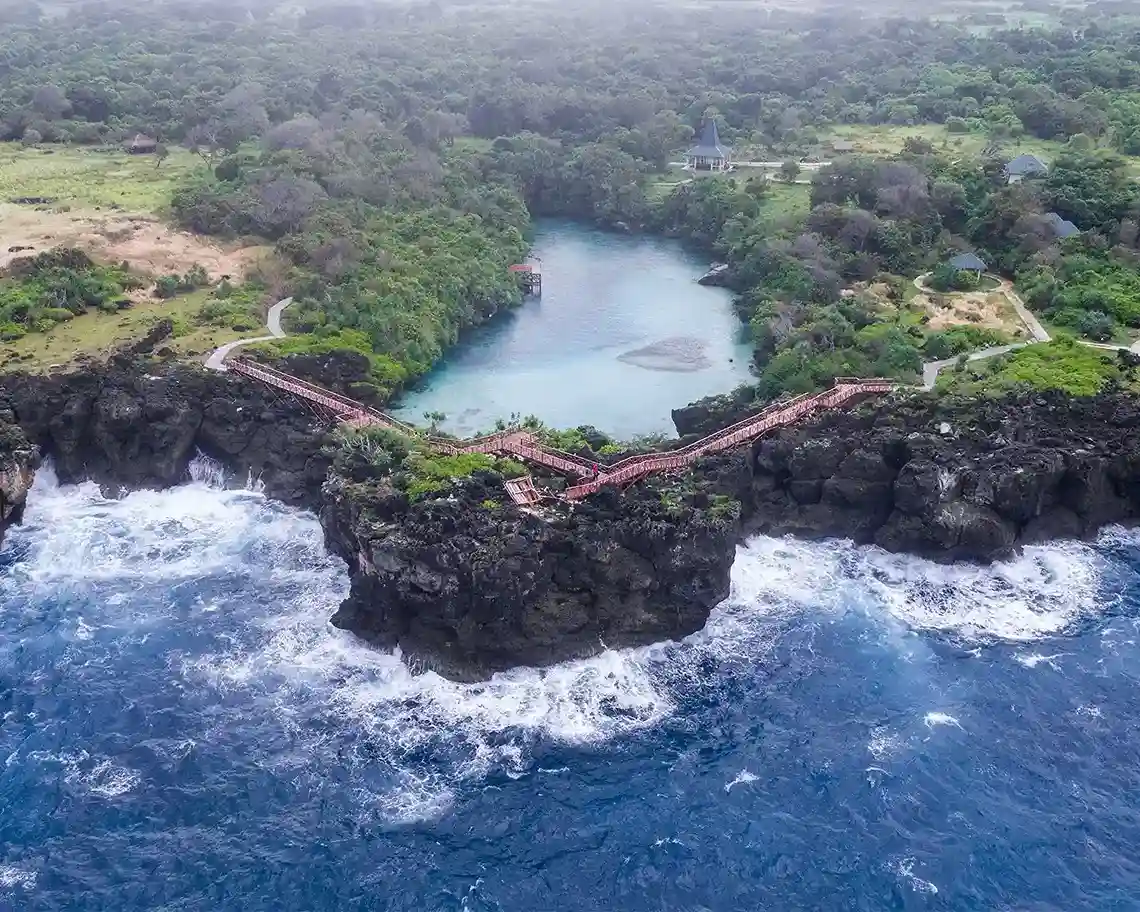
    Afternoon: Explore Weekuri Lagoon, a saltwater lagoon separated from the ocean by a rocky outcrop. Its clear, turquoise water offers a serene swimming experience.

  • Day 3: Waterfalls and Wellness.

    Morning: A guided trek to Lapopu Waterfall. The journey takes you through a light forest before revealing the powerful, tiered cascade. It’s a refreshing escape from the coastal heat.
    Afternoon: Return to the resort for a signature spa treatment, incorporating local oils and traditional Sumbanese massage techniques.

  • Day 4: Marapu Culture and Local Crafts.

    Morning: A curated visit to the village of Praiijing, a larger traditional settlement offering deeper insight into the Marapu way of life. Arrange a private demonstration of the intricate ikat weaving process, a craft for which Sumba is renowned worldwide.
    Afternoon: Final afternoon at leisure. For guests at Nihi, this could be a final surf session or a sunset horse ride along the beach.

  • Day 5: Departure.

    Morning: Breakfast at the resort followed by check-out.
    11:00: Transfer to Tambolaka Airport (TMC).
    13:30: Flight departs from Tambolaka to Denpasar (DPS).
    14:45: Arrive back in Bali.

The Cultural Fabric: Understanding Marapu and the Pasola Festival

A trip to Sumba from Bali is incomplete without an appreciation for its cultural bedrock. Marapu is the island’s indigenous religion, a form of ancestral worship that permeates all social structures. The belief centers on the delicate balance between the material world and the spirit world of the ancestors. Funerals are the most significant life events, often involving the construction of enormous megalithic tombs and the sacrifice of buffalo and pigs to accompany the deceased into the afterlife. These traditions are most visible in the island’s west.

The most dramatic expression of Marapu culture is the Pasola festival. This ancient ritual, occurring annually in February and March in the Kodi and Wanokaka regions, is a spectacle of considerable intensity. The date is not fixed; it is determined by local Marapu priests (*rato*) who observe the coast for the arrival of the first multi-colored *nyale* sea worms. Once the worms appear, the Pasola can begin. It involves two groups of horsemen, representing rival villages, who charge at each other and throw blunt wooden spears (*hola*). While it appears aggressive, the Pasola is not about animosity; it is a ritual designed to spill blood on the soil to ensure a bountiful harvest. It is a deeply sacred ceremony meant to balance the cosmic order and appease the ancestral spirits. Witnessing the Pasola requires careful planning, as dates are often announced only weeks in advance, but it offers an unparalleled insight into the living traditions of Sumba.

Sumba Travel Logistics and Expert Consultation

Arranging a seamless journey from Bali to Sumba, especially one that aligns with specific cultural events or personal preferences, benefits from expert guidance. Our role is to manage the complexities of this multi-stage trip, from securing the best Bali to Sumba flight options to coordinating with the island’s premier resorts.

Booking Your Sumba Extension: A Step-by-Step Process

  1. Initial Consultation: Contact us via phone or email to discuss your travel dates, preferred style of accommodation (e.g., active luxury at Nihi vs. serene retreat at Lelewatu), and interests (e.g., culture, surfing, wellness).
  2. Custom Proposal: We will prepare a detailed proposal that includes flight schedules from Denpasar, resort options with nightly rates, a suggested itinerary, and a clear breakdown of costs and inclusions.
  3. Confirmation and Booking: Upon your approval, we handle all reservations, including inter-island flights, resort bookings, and all necessary ground transfers in both Bali and Sumba.
  4. Pre-Departure Briefing: You will receive a comprehensive travel portfolio with all confirmations, contact numbers, and practical advice for traveling in Sumba, such as local customs and packing recommendations.

Frequently Asked Questions

What is the best time of year to travel from Bali to Sumba?
The dry season, from April to October, offers the most pleasant weather with less rain and more sunshine. However, for a unique cultural experience, consider traveling in February or March to witness the Pasola festival.

Is Sumba safe for travelers?
Yes, Sumba is considered safe. The resorts provide a secure and private environment, and guided excursions ensure safe and respectful interaction with local communities. Standard travel precautions are always recommended.

What should I pack for Sumba?
Lightweight clothing, swimwear, sun protection (hat, sunglasses, high-SPF sunscreen), insect repellent, and sturdy walking shoes for treks. A light jacket or sweater is useful for cooler evenings. If visiting villages, modest attire (covering shoulders and knees) is respectful.

Is Wi-Fi available in Sumba?
Wi-Fi is available at the major resorts but can be less reliable than in Bali. It is sufficient for basic communication but may not support heavy data usage. It’s an opportunity to disconnect partially.

Can I use credit cards in Sumba?
High-end resorts accept major credit cards. However, cash (Indonesian Rupiah) is essential for any purchases in local villages or small markets. There are very few ATMs outside of the main towns of Tambolaka and Waingapu.

Our Commitment and Contact Information

As specialists in premium Indonesian travel, we provide informed, impartial advice and meticulous logistical support. Our on-the-ground knowledge ensures your Bali to Sumba island experience is both profound and flawlessly executed. We are a fully licensed travel provider committed to responsible tourism.

Brand: Bali to Sumba Travel Guide
Phone: +62 811-3941-4563
Email: bd@juaraholding.com
Office: Jalan Sunset Road No. 88, Kuta, Badung, Bali 80361

Investment and Inclusions: What to Expect

A premium Sumba experience is a significant investment, reflective of the island’s remote location and the exclusivity of its top-tier properties. The cost is allocated not just to accommodation, but to the all-encompassing service, curated activities, and the philanthropic work that often underpins the resorts’ operations.

A 4-night, 5-day Sumba extension from Bali, staying at a resort such as Lelewatu or Nihi, generally starts from USD 4,500 per person. This is a guideline price and can vary based on the season, villa category, and chosen activities.

A typical package arranged through our service includes:

  • Return flights from Denpasar (DPS) to Tambolaka (TMC).
  • Private return airport transfers in Sumba.
  • 4 nights accommodation in a one-bedroom villa.
  • Full board (all meals: breakfast, lunch, and dinner).
  • A selection of non-alcoholic beverages.
  • Access to resort-specific activities and amenities (e.g., group yoga sessions, non-motorized water sports).

Key exclusions to budget for separately are alcoholic beverages, spa treatments, motorized water sports, and specialized private excursions or guides. The Bali to Sumba transit is the first step in a journey that offers returns far beyond the monetary investment—an encounter with a potent, living culture and some of the most private and dramatic landscapes in the Indonesian archipelago.