Sumba Cultural Tour — Marapu, Pasola, Ikat Weaving Heritage


Sumba Cultural Tour — Marapu, Pasola, Ikat Weaving Heritage


A Discerning Traveler’s Guide: The Journey from Bali to Sumba

Sumba Cultural Tour — Marapu, Pasola, Ikat Weaving Heritage

The air shifts on the approach to Sumba. Gone is the humid, frangipani-scented atmosphere of Bali, replaced by a drier, more elemental fragrance of sun-baked earth, sandalwood, and salt from the Savu Sea. Here, the rhythm of life is not dictated by the tourist season but by the ancient cadence of the Marapu religion, the lunar calendar that signals the bloody spectacle of the Pasola festival, and the patient, rhythmic clack of the ikat loom. Sumba is an island of stark contrasts: rolling savannahs reminiscent of the African plains give way to pristine, empty beaches; rugged men on horseback, parang knives at their hips, live by traditions that predate modern history; and megalithic tombs stand as silent sentinels in villages of soaring, grass-thatched clan houses. For the traveler who has experienced Bali and seeks a deeper, more profound Indonesian encounter, the short flight from Denpasar to Sumba island is a passage to another world entirely. See also: book Home.

This guide provides the essential framework for planning an expedition from Bali to Sumba, focusing on the practicalities of transit, the island’s distinct cultural hemispheres, and the caliber of experiences available—from witnessing the Pasola ritual to residing in some of the world’s most exclusive resorts, including Nihi Sumba and Lelewatu. We address the logistics of the Bali to Sumba flight and detail what a thoughtfully curated cultural tour entails.

The Logistics: Navigating the Bali to Sumba Transit Corridor

The primary artery connecting Bali to Sumba is by air, a brief but transformative flight of approximately 60 to 90 minutes. All commercial flights originate from Bali’s Ngurah Rai International Airport (DPS) in Denpasar. The key decision for any traveler planning a trip from Sumba from Bali is the choice of arrival airport on Sumba itself, as the island is served by two main airfields, each acting as a gateway to a geographically and culturally distinct region.

The two airports are Tambolaka Airport (TMC) in the southwest and Umbu Mehang Kunda Airport (WGP) in Waingapu, the largest town in the east. Airlines such as Wings Air (a subsidiary of Lion Air) and NAM Air operate these routes daily. A typical one-way fare for the Denpasar to Sumba flight ranges from $70 to $150 USD, though prices fluctuate based on season and booking proximity. It is advisable to book several weeks in advance, particularly during the peak Pasola season in February and March.

Comparison of Sumba’s Arrival Airports

Feature Tambolaka Airport (TMC) Waingapu Airport (WGP)
Region Southwest Sumba East Sumba
Landscape Verdant hills, dramatic coastlines, traditional villages with high-peaked roofs. Arid savannahs, rolling hills, renowned for its textile production.
Proximity to Premier Resorts Gateway to Nihi Sumba (approx. 90-minute drive) and Lelewatu Resort (approx. 30-minute drive). Closer to boutique hotels like Morinda Villa and various local guesthouses.
Key Cultural Sites Pasola festival grounds (Wanokaka, Lamboya), Ratenggaro Village, Weekuri Lagoon. Ikat weaving villages (Prailiu, Rende), Wairinding Hills, Puru Kambera Beach.
Primary Airlines from DPS Wings Air, NAM Air Wings Air

Choosing your arrival airport effectively sets the stage for your Sumba itinerary. For those whose primary objective is to experience the celebrated resorts of Nihi or Lelewatu, or to be in the heartland of the Pasola festival, a Bali sumba flight to Tambolaka (TMC) is the logical choice. For travelers focused on the provenance of Sumba’s world-renowned ikat textiles and the stark beauty of its eastern landscapes, Waingapu (WGP) is the correct port of entry.

West Sumba: A Land of Ritual Combat and Coastal Grandeur

Arriving in Tambolaka places you in the cultural heart of West Sumba, a region defined by its deeply entrenched Marapu traditions and a dramatic, undulating topography. This is where Sumba’s most potent cultural expressions are on display. The annual Pasola festival, a ritual battle between two teams of spear-wielding horsemen, is held in the districts of Wanokaka, Lamboya, and Kodi during February and March. The event, timed to the arrival of the ‘nyale’ sea worms, is a fertility rite where spilled blood is believed to guarantee a bountiful harvest. It is a visceral, authentic spectacle, far removed from any staged tourist performance. See also: explore Contact.

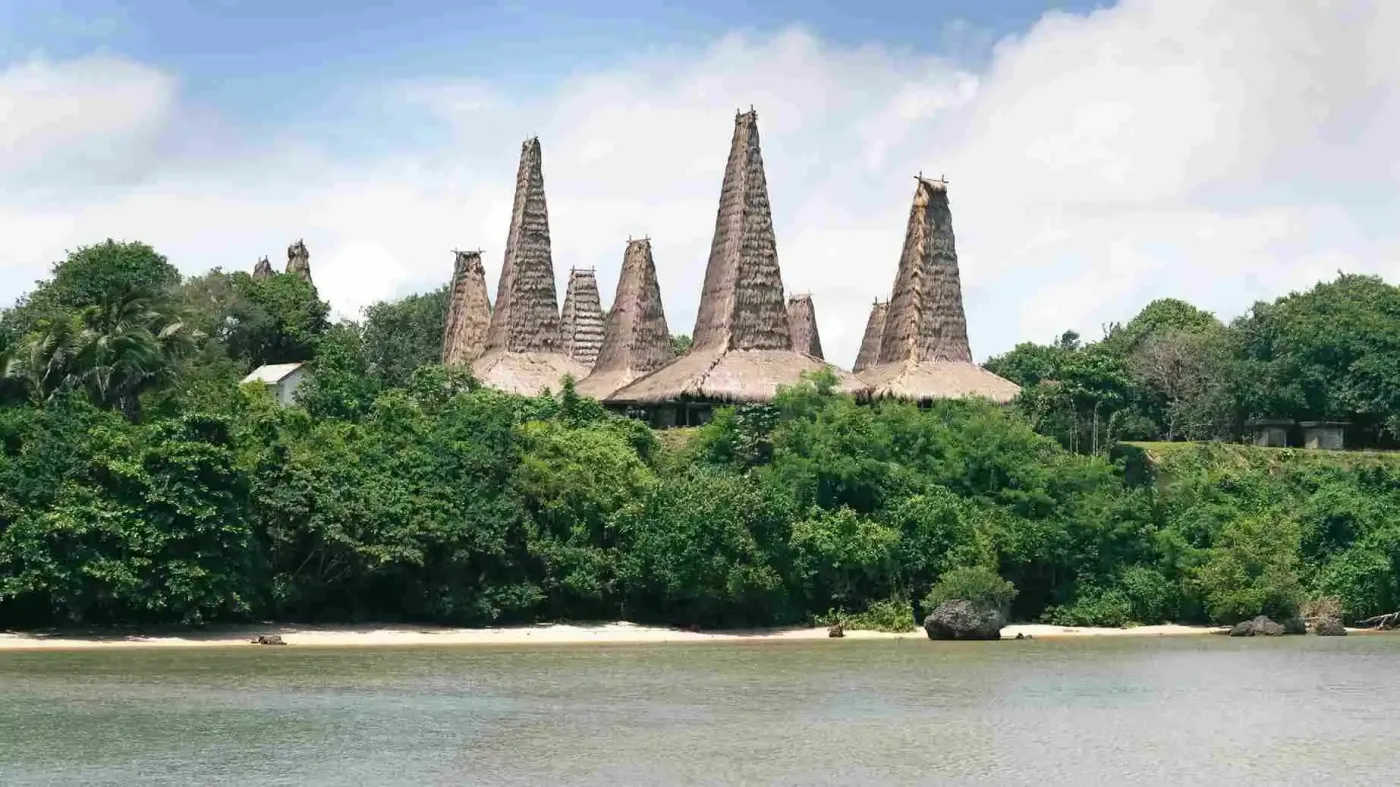
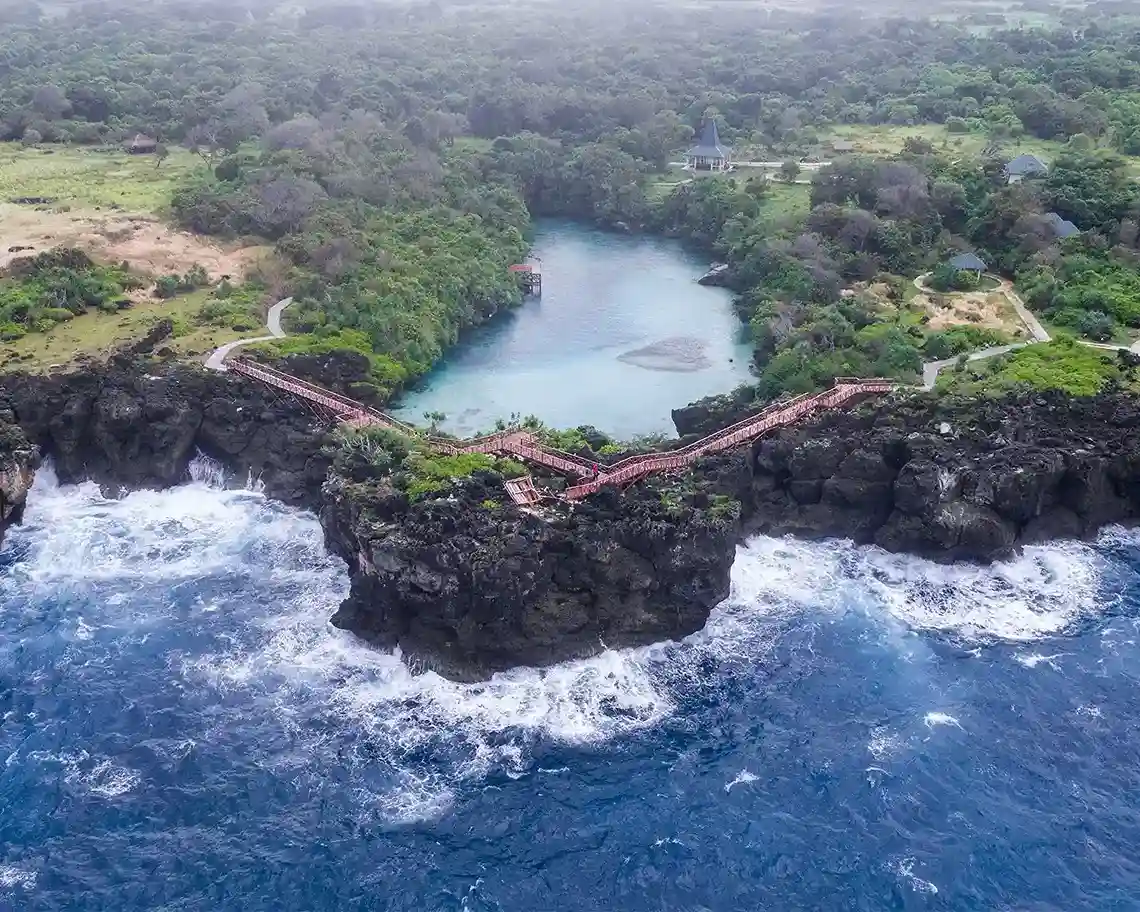
Beyond the Pasola, the region is dotted with traditional villages that appear untouched by time. At Ratenggaro, on the southern coast, towering clan houses with roofs reaching up to 25 meters high stand over megalithic tombs, their facades often decorated with the horns of sacrificed water buffalo. The nearby Weekuri Lagoon, a saltwater lake separated from the ocean by a rocky outcrop, offers a serene counterpoint to the raw energy of the villages. This part of Bali to Sumba island travel is for those who seek immersion. The drive from Tambolaka airport to Nihi Sumba, located on the coast of the Wanokaka district, is approximately 50 kilometers and takes around 90 minutes, a journey through small villages and forested hills. Lelewatu Resort is more conveniently located, just a 30-minute drive from the airport.

FAQ: Is it necessary to have a guide in West Sumba?

While independent travel is possible, it is highly recommended to engage a local guide. Navigating the rural roads can be challenging, but more importantly, a guide acts as a cultural interpreter. Visiting a traditional village is not a simple transaction; it involves observing strict protocols, such as presenting token gifts (betel nut is customary) to the village elders. A guide facilitates these interactions, ensuring your presence is respectful and providing context to the complex Marapu belief system you are witnessing. See also: our Bali Sumba Cost Guide.

East Sumba: The Weaver’s Art and Savannah Plains

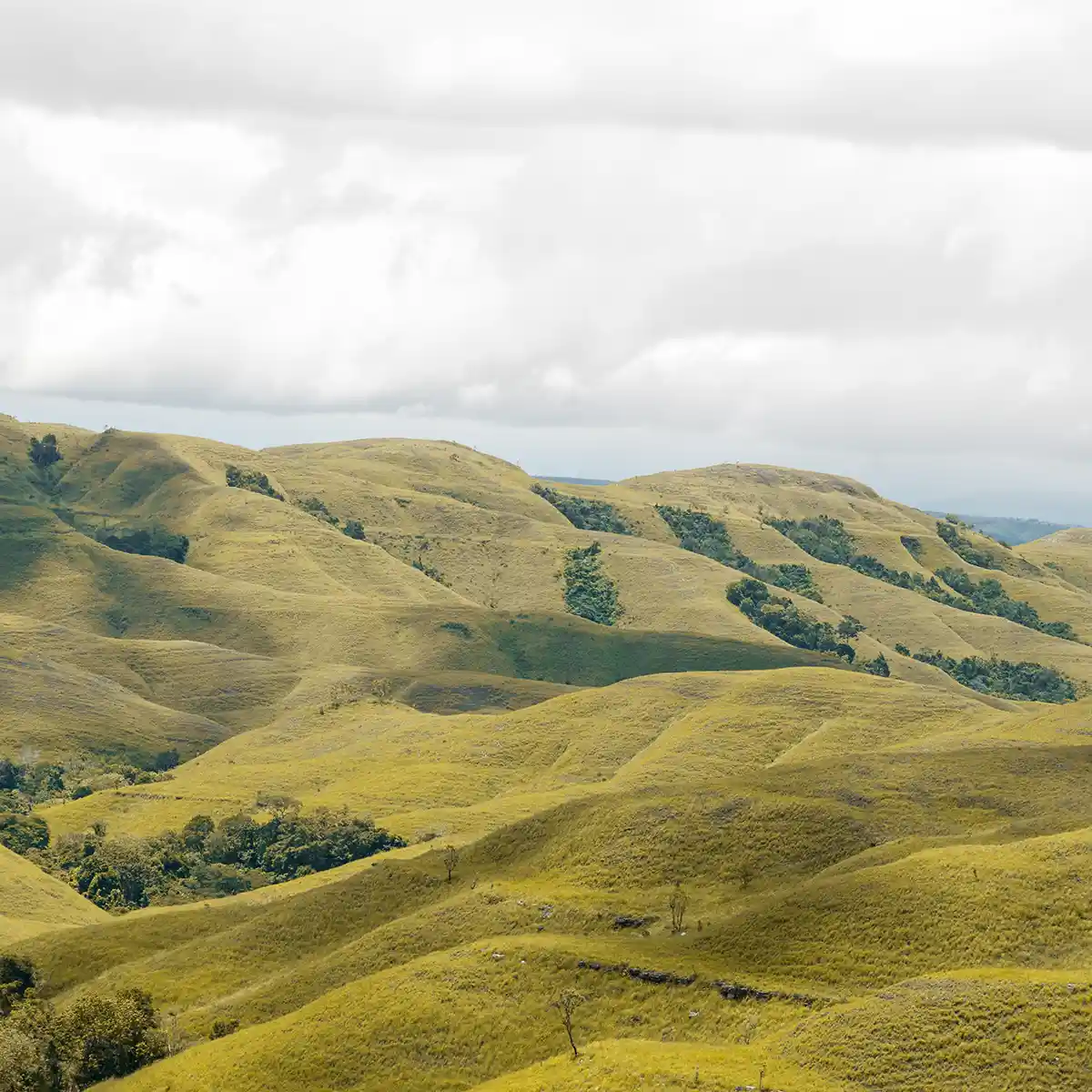
Flying from Denpasar into Waingapu introduces you to a different Sumba. The landscape of East Sumba is drier, characterized by expansive, golden-hued savannahs and low-lying hills that have earned it the nickname “the Africa of Indonesia.” This is the historical seat of the island’s most powerful kingdoms, and their legacy endures in the form of grand stone tombs and a highly refined textile tradition. See also: the sumba resorts option.

East Sumba is the epicenter of ikat weaving. In villages like Prailiu, just outside Waingapu, and the more remote Rende, women practice the complex art of resist-dyeing threads before they are woven. The entire process, from harvesting and spinning the local cotton to creating natural dyes from indigo leaves and the roots of the kombu tree, can take months, even years, to produce a single ceremonial cloth. These textiles are more than decorative; they are a narrative medium, depicting ancestral figures, fauna, and symbols central to the Marapu cosmology. A visit here offers a direct connection to an art form of immense cultural and economic importance. For travelers planning their sumba from bali extension with a focus on crafts, this region is essential. The Wairinding Hills, a 45-minute drive from Waingapu, offer a sweeping panorama of the region’s distinctive landscape, especially at sunrise or sunset.

A Curated 4-Day Sumba Cultural Itinerary

To synthesize these experiences, a well-paced itinerary is crucial. The following sample itinerary focuses on West Sumba for a balanced introduction to the island’s culture and natural beauty, originating from a Denpasar to Sumba flight.

  • Day 1: Arrival and Coastal Exploration (TMC)
    09:00: Depart Denpasar (DPS) on a Wings Air flight to Tambolaka (TMC).
    10:15: Arrive at Tambolaka Airport. Your private guide and driver will greet you.
    11:00: Transfer to your chosen accommodation, for instance, Lelewatu Resort.
    14:00: After settling in, visit the turquoise Weekuri Lagoon for a swim in its placid, clear waters.
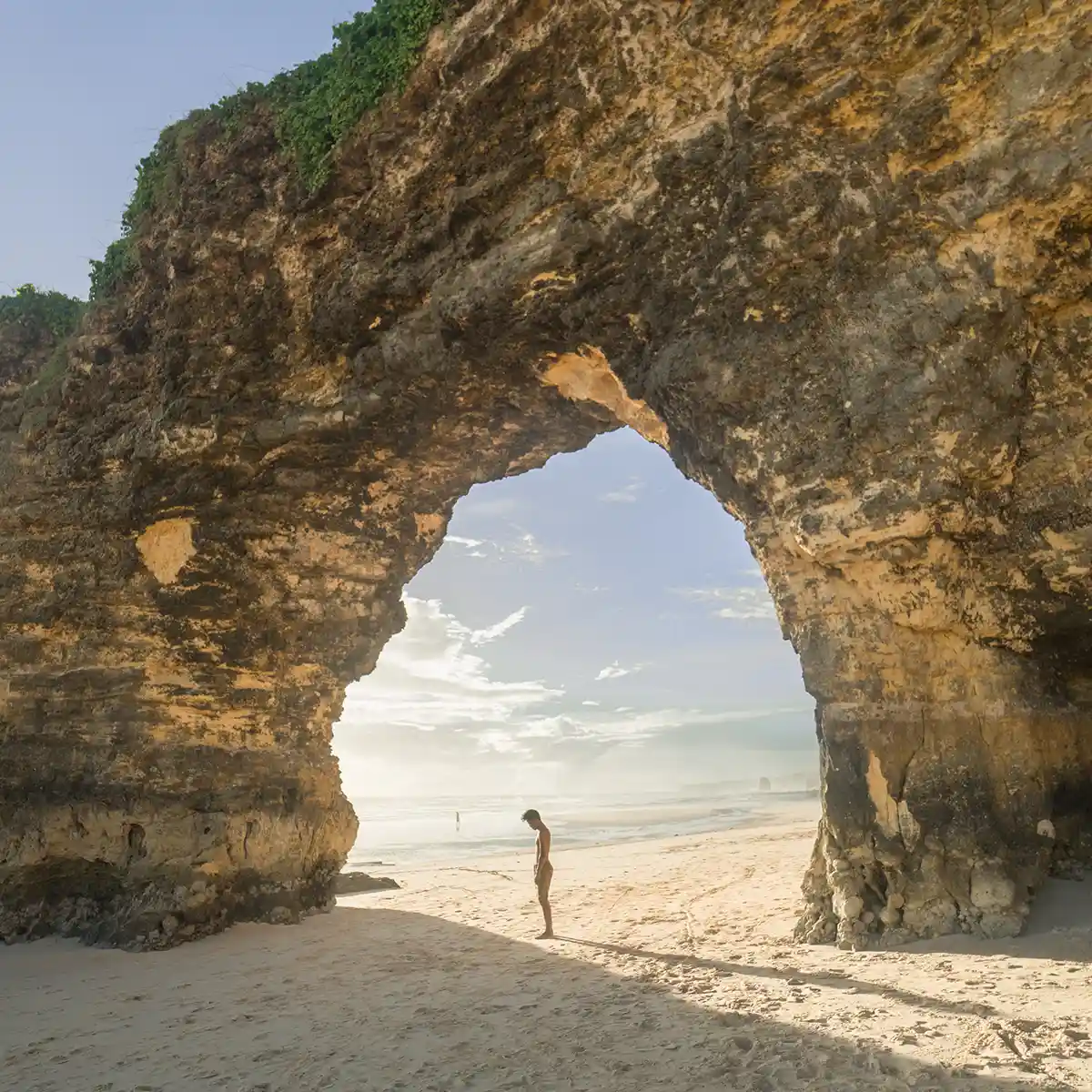
    17:00: Proceed to Mandorak Beach for sunset, framed by two large rock cliffs.
  • Day 2: Marapu Villages and Waterfalls
    09:00: Journey south to the village of Ratenggaro, one of Sumba’s most visually impressive traditional settlements. Engage with the community with the help of your guide.
    12:00: Continue to Wainyapu village, another coastal community with a strong Marapu heritage.
    14:30: Drive inland to Lapopu Waterfall, a powerful cascade in the midst of a lush forest. The site requires a short trek of about 15 minutes.
    17:30: Return to your resort.
  • Day 3: Market Life and Pasola Grounds
    08:30: Visit a local market in the Tambolaka area to observe daily Sumbanese life and commerce.
    10:30: Drive through the Wanokaka or Lamboya region, the heartland of the Pasola festival. Even outside of the festival season, the open fields and local villages provide insight into the preparations and importance of this ritual.
    13:00: Enjoy lunch at a local establishment recommended by your guide.
    15:00: Participate in a pre-arranged ikat weaving demonstration to understand the craft’s intricacy.
  • Day 4: Departure
    09:00: Enjoy a final breakfast with views over the Savu Sea.
    10:00: Transfer to Tambolaka Airport (TMC) for your flight back to Denpasar (DPS).

Planning Your Sumba Expedition: Inclusions & Investment

A well-executed trip to Sumba requires meticulous planning and on-the-ground expertise. Our private Sumba cultural tours are designed to provide a seamless and insightful experience, removing logistical burdens so you can focus on the destination. While we consult on and can arrange stays at premier properties like Nihi Sumba, our focus is on the cultural framework that makes a visit meaningful.

A typical land arrangement with Bali to Sumba Travel Guide includes:

  • A private, late-model, air-conditioned vehicle (typically a Toyota Innova or similar) with a professional, licensed driver for the duration of your tour.
  • An experienced, English-speaking Sumbanese guide with deep-rooted knowledge of Marapu culture, traditions, and local etiquette.
  • All specified entrance fees to cultural villages, natural sites like waterfalls and lagoons, and local donations as per custom.
  • Coordination and booking of domestic flights for the Bali to Sumba island transit (flight costs are separate).
  • Bespoke itinerary planning and consultation to align the tour with your specific interests, whether they be photography, textiles, or anthropology.

Private, tailor-made Sumba cultural tours start from approximately $1,250 USD per person for a 4-day/3-night land arrangement. This price excludes accommodation, domestic flights (which typically add $140-$300 USD per person round-trip), and meals. The final investment is contingent on the season, the number of travelers, and the complexity of the requested itinerary. The dry season, from April to October, is ideal for general travel, while February and March are essential for those wishing to witness the Pasola festival.

Your Trusted Partner for Sumba Exploration

At Bali to Sumba Travel Guide, we specialize in crafting journeys that go beyond the surface. With over a decade of experience in organizing travel within the Lesser Sunda Islands, our expertise is built on a foundation of deep local relationships and a commitment to responsible tourism. Our guides are not merely tour leaders; they are cultural liaisons, many of whom come from the very villages you will visit. They provide unparalleled access and insight, ensuring your experience is both authentic and respectful.

All our operations are fully licensed, and our vehicles are subject to rigorous maintenance schedules to ensure your safety and comfort on Sumba’s rugged roads. We believe that a journey of this nature should be as seamless as it is profound.

Booking Your Sumba Journey: A Step-by-Step Process

  1. Initial Consultation: Contact our travel specialists via email or phone. Share your interests, desired travel dates, and party size.
  2. Personalized Itinerary Proposal: Within 48 hours, we will return a detailed, day-by-day itinerary proposal and a transparent quotation.
  3. Confirmation and Deposit: Once you are satisfied with the proposed journey, a 50% deposit will secure all land arrangements and guide services. We will then proceed to book your domestic flights.
  4. Final Preparations: One month prior to your departure, the final balance is due. You will receive a comprehensive pre-departure packet with all your travel documents, contact information, and tips for packing.

Bali to Sumba Travel Guide
Phone: +62 811-3941-4563
Email: bd@juaraholding.com
Office: Jalan Sunset Road No. 88, Kuta, Badung, Bali 80361

Frequently Asked Questions about Travel from Bali to Sumba

What is the baggage allowance on flights to Sumba?
Baggage allowance is typically restrictive on the ATR 72 propeller planes that service these routes. Wings Air, for example, often includes a checked baggage allowance of only 10kg, with excess baggage fees applied thereafter. It is critical to check the specific allowance for your ticket at the time of booking and pack accordingly.

Is Sumba a safe destination for travelers?
Sumba is generally a safe destination. However, the infrastructure is less developed than in Bali. A local guide is invaluable not just for cultural translation but also for navigating remote areas. Standard travel precautions should be observed, and it’s important to show respect for local customs, particularly the Marapu faith.

What is the state of connectivity in Sumba?
Cellular service and mobile data (4G) are available in and around the main towns of Tambolaka and Waingapu. High-end resorts like Nihi and Lelewatu provide reliable Wi-Fi. However, once you venture into the rural villages and remote coastal areas, service becomes intermittent or non-existent. This offers a welcome opportunity to disconnect.

What currency is used and are ATMs available?
The Indonesian Rupiah (IDR) is the currency. While ATMs are available in Tambolaka and Waingapu, they can be unreliable. It is strongly advised to bring a sufficient amount of cash from Bali to cover personal expenses, souvenirs, and tips, as credit cards are only accepted at the top resorts.

What should I pack for a trip to Sumba?
Pack lightweight clothing made from natural fabrics like cotton and linen. Include long sleeves and trousers for sun protection and respectful village visits. Essential items include sturdy walking shoes, a wide-brimmed hat, sunglasses, high-SPF sunscreen, insect repellent containing DEET, and any personal medications. A small gift for village elders, like betel nuts (your guide can help procure this), is a thoughtful gesture.

Explore Further

The Pasola Festival: An Ancient Ritual of Blood and Harvest

Sumba’s Ikat Weaving: Threads of Life and Lineage

A Review of Nihi Sumba and Lelewatu Resort