The Definitive Guide to Flights from Bali to Sumba

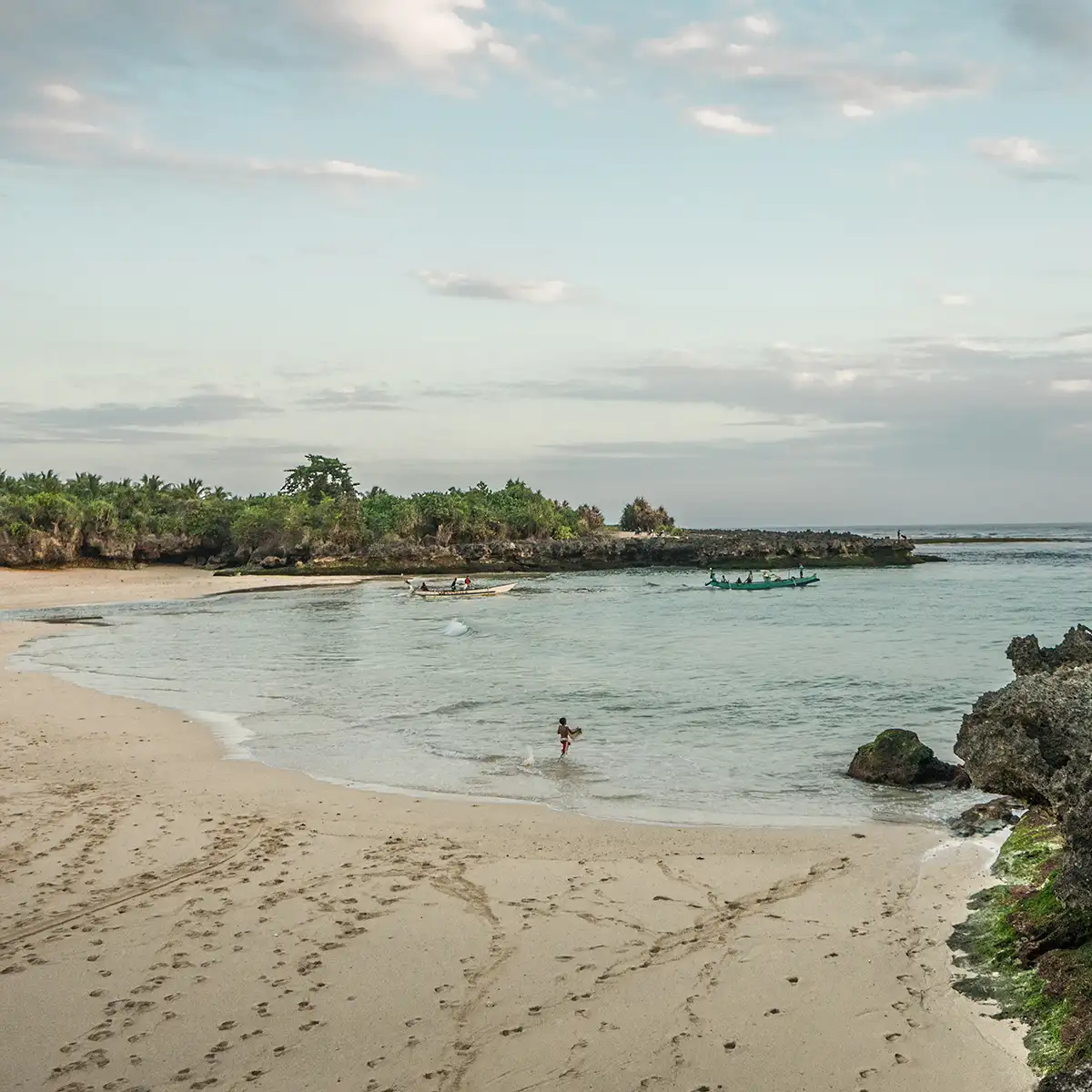
The turboprop aircraft banks over the Savu Sea, its shadow tracing a path across the turquoise water. Below, the manicured green of Bali’s southern peninsula recedes, replaced by a coastline of a different character. This is the western edge of Sumba, an island defined not by terraced rice paddies but by arid savannas, limestone escarpments, and a powerful sense of ancestral time. The air inside the cabin, cooled and circulated, does little to prepare you for the immediate, dry heat that greets you on the tarmac at Tambolaka Airport—a scent of sun-baked earth and wild grass, the first sensory signal that you have transitioned from one version of Indonesia to another, more esoteric one. See also: the sumba cultural tour option.
For the discerning traveler, the journey from Denpasar to Sumba is a calculated departure from the familiar. It is the primary logistical axle connecting the international hub of Bali to an island revered for its profound Marapu culture, its celebrated private resorts like Nihi Sumba and Lelewatu, and its annual Pasola ceremonies. This guide provides the essential details for planning this transit, focusing on airline options, airport logistics, and the practicalities of reaching Sumba’s most sought-after destinations. See also: details on Bali Sumba Cost Guide.
Sumba’s Proposition: Beyond the Bali Circuit
Why make the Bali to Sumba island transit? While Bali offers a rich and varied experience, Sumba presents a compelling counter-narrative. The island, approximately twice the size of Bali but with less than a fifth of its population (around 750,000 inhabitants), offers a profound sense of space and antiquity. The primary draw for many is the island’s unique cultural fabric and its high-caliber resorts that have capitalized on this exclusivity. See also: explore Home.
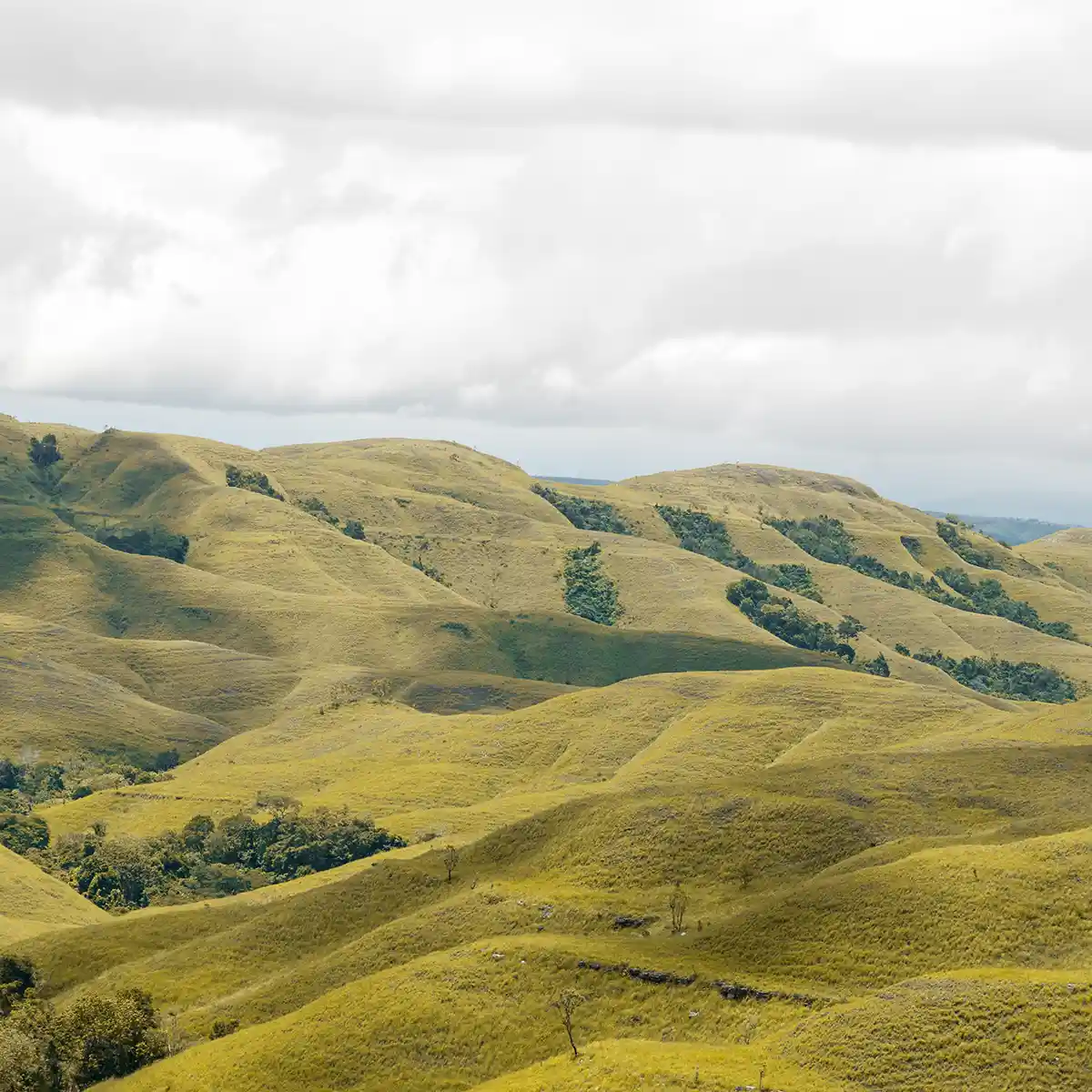
The cultural landscape is dominated by the Marapu belief system, an animist religion that venerates ancestors and dictates the island’s social structure. This is most visibly expressed in the architecture: traditional villages feature high-peaked houses (uma mbatangu) with roofs soaring up to 30 meters, symbolizing the connection between the mortal world and the spirit realm. Megalithic tombs, massive stone slabs dragged by hundreds of men, still serve as focal points in villages, a testament to enduring funeral rites. This is a living culture, not one curated for tourism. The annual Pasola festival, a ritualized horseback battle between two groups of men, is a raw and authentic spectacle held each February and March in the Kodi and Wanokaka districts.
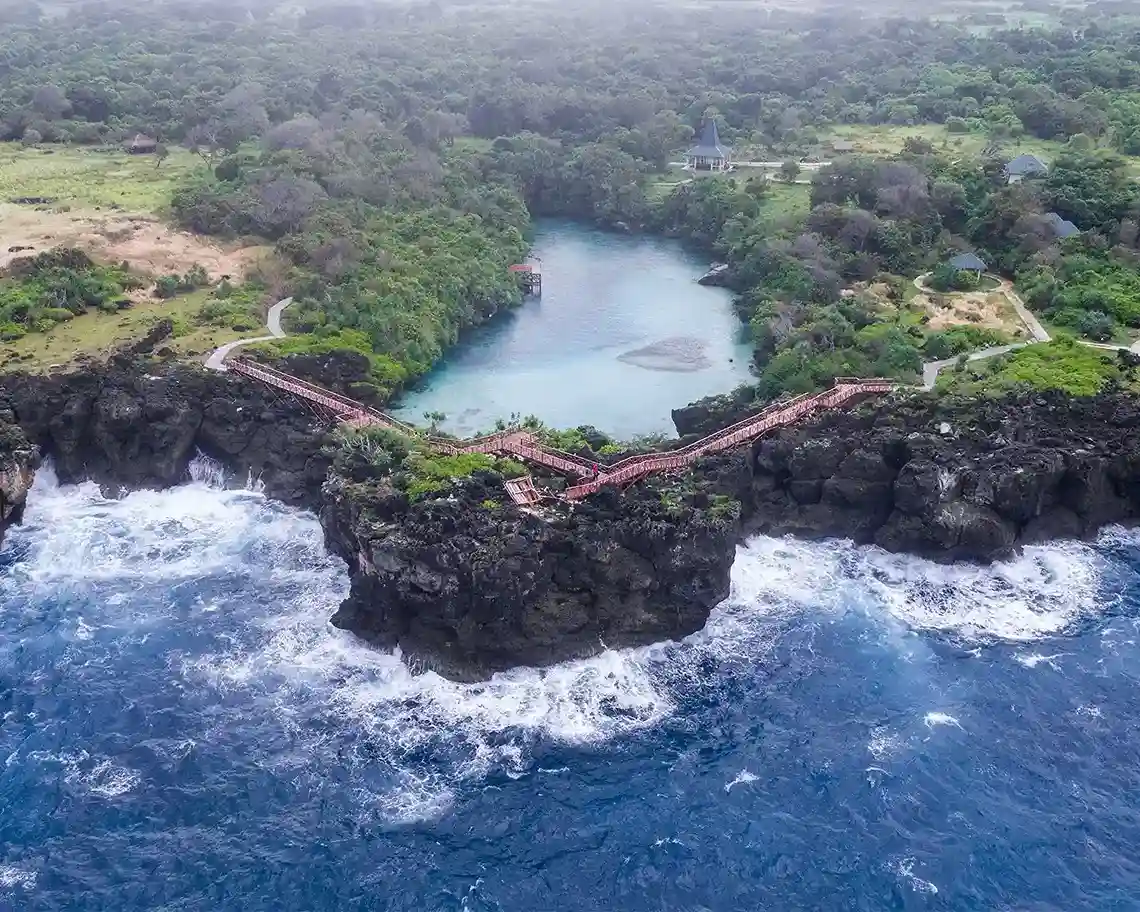
This setting provides the backdrop for properties like Nihi Sumba, located on the southwest coast. Known for its private access to the revered surf break “Occy’s Left” and its philanthropic foundation, Nihi has set a global standard for conscious luxury. Nearby, Lelewatu Resort Sumba offers dramatic cliffside villas with direct ocean panoramas. Securing a bali sumba flight is the first step to accessing these secluded properties. Understanding the logistics of the denpasar to sumba route is therefore critical for a seamless experience.
Navigating Air Transit: Denpasar (DPS) to Sumba’s Airports
The aerial bridge from Bali to Sumba is serviced by a handful of domestic carriers operating out of I Gusti Ngurah Rai International Airport (DPS) in Denpasar. The flight itself is relatively short, typically lasting between 1 hour and 20 minutes to 1 hour and 40 minutes. Sumba has two primary airports, and your choice of destination depends entirely on your itinerary. See also: book Contact.
- Tambolaka Airport (TMC): Located in Southwest Sumba, this is the principal gateway for travelers heading to the island’s premier resorts, including Nihi Sumba and Lelewatu. The drive from TMC to the Wanokaka coast, where these properties are located, is approximately 90 minutes through rolling hills and traditional villages.
- Waingapu Airport (WGP): Umbu Mehang Kunda Airport, its official name, serves Waingapu, the largest town in East Sumba. This airport is the logical choice for those exploring the region’s renowned Ikat weaving traditions, the royal village of Prailiu, or the savanna landscapes of the island’s eastern half.
The majority of flights from Denpasar to Sumba are operated by ATR 72-500/600 turboprop aircraft, which are well-suited for the short runways and regional nature of the route. It is important to note that schedules can be subject to change, and direct booking with the airline or a reliable travel consultant is advisable. The primary carriers on this route are Wings Air (a subsidiary of Lion Air), Garuda Indonesia, and occasionally Citilink.
Inline FAQ: Key Transit Questions
Which Sumba airport is better, Tambolaka or Waingapu?
For travelers visiting Nihi Sumba, Lelewatu Resort, or other destinations in West Sumba, Tambolaka (TMC) is the correct choice. It significantly reduces ground transfer time. For exploring East Sumba’s culture, Ikat weaving, and savannas, Waingapu (WGP) is more convenient.
Airline Comparison: Wings Air vs. Garuda Indonesia
Choosing an airline for your bali to sumba flight involves considering factors beyond just the ticket price. Reliability, baggage allowance, and service levels vary. While Citilink has operated the route intermittently, Wings Air and Garuda Indonesia are the most consistent operators.
| Feature | Wings Air (Lion Air Group) | Garuda Indonesia |
|---|---|---|
| Aircraft Type | ATR 72-600 | ATR 72-600 |
| Primary Sumba Airport | Tambolaka (TMC) & Waingapu (WGP) | Tambolaka (TMC) |
| Flight Frequency | Typically daily or multiple daily flights to TMC | Less frequent, often daily but can be seasonal |
| Checked Baggage Allowance | Often 10 kg (subject to change, excess fees apply) | Typically 20 kg for Economy class |
| In-Flight Service | No-frills; no complimentary service | Light snack and beverage service included |
| Reliability & Punctuality | Prone to schedule changes and delays | Generally higher record of on-time performance |
| Typical One-Way Price (USD) | $70 – $150 | $120 – $250 |
Analysis: Wings Air offers the highest frequency of flights, making it a flexible option for scheduling. However, its primary drawback is a restrictive baggage allowance (typically 10 kg checked luggage) and a reputation for delays. For travelers with surfboards or significant luggage, the excess baggage fees can add up. Garuda Indonesia, as the national flag carrier, generally provides a more reliable service with a more generous 20 kg baggage allowance and a higher level of comfort. The price point reflects this. For a journey where seamless logistics are paramount, particularly when connecting to a high-end resort stay, the premium for Garuda can be a worthwhile investment. We recommend verifying the current baggage policy directly at the time of booking, as these are subject to change.
Sumba Itinerary Logistics: A Sample Timeline
Understanding the flow of the travel day is key to a stress-free arrival in Sumba. Ground transfers are a significant component of the journey, and resorts like Nihi and Lelewatu have refined this process. Here is a sample timeline for a traveler flying from Bali to a resort in Southwest Sumba.
- 8:00 AM: Depart from your hotel in Seminyak or Canggu, Bali. Allow at least 2 hours to navigate traffic and check-in at Denpasar’s domestic terminal.
- 10:30 AM: Flight departure from Denpasar (DPS). Example: Garuda Indonesia flight GA7028.
- 11:50 AM: Arrival at Tambolaka Airport (TMC), Sumba. The airport is small and functional. You will deplane onto the tarmac and walk to the simple terminal building.
- 12:15 PM: Collect your luggage. A representative from your resort (e.g., Nihi Sumba) will be waiting in the arrivals area, typically with a sign.
- 12:30 PM: Board your pre-arranged transfer. Nihi is known for its open-air, safari-style vehicles, which immediately immerse you in the Sumba landscape. The journey begins.
- 2:00 PM: Arrive at your resort. After a 90-minute drive through villages and countryside, you will be greeted at the property for check-in.
This timeline illustrates that a morning departure from Bali results in a mid-afternoon arrival at your final destination, allowing you to settle in before sunset. Coordinating your flight with your resort’s transfer service is essential. The team at Bali to Sumba Travel Guide can manage these logistics to ensure a synchronized and smooth transition.
Inline FAQ: Practical Considerations
What is the baggage allowance for surfboards on flights to Sumba?
This is critical. Airlines classify surfboards as special sports equipment and have specific policies and fees. Wings Air is notoriously restrictive. Garuda is generally more accommodating but requires boards to be declared in advance. Fees can range from $30 to $100+ per board. We strongly advise confirming the exact policy and pre-booking space for your board to avoid being denied at check-in.
Is there mobile phone service and Wi-Fi in Sumba?
Mobile service, primarily through Telkomsel, is available in towns and most coastal areas but can be intermittent in remote regions. Resorts like Nihi and Lelewatu provide reliable Wi-Fi, but do not expect the high speeds found in Bali. It is sufficient for emails and basic browsing but may be challenging for heavy data use.
Pricing and How to Book Your Bali to Sumba Flight
Flight prices for the Denpasar to Sumba route fluctuate based on seasonality, demand, and how far in advance you book. The dry season (May to October) is peak travel time, and prices will be higher. The Pasola festival in February/March also sees a surge in demand.
Indicative Pricing (One-Way, Per Person):
- Low Season (e.g., Nov, Jan-Feb): USD $70 – $120
- Shoulder Season (e.g., Apr, Oct): USD $90 – $180
- High Season (e.g., Jun-Sep, Holidays): USD $150 – $250+
These are estimates, and booking 2-3 months in advance is recommended for the best pricing and availability, especially if your dates are not flexible.
Step-by-Step Booking Process with Our Service
While booking directly through airline websites is possible, navigating the Indonesian domestic flight system can be complex. Our service is designed to eliminate uncertainty and manage the entire transit process.
- Initial Consultation: Contact us with your preferred travel dates, number of passengers, and destination in Sumba (e.g., Nihi Sumba). Provide details on any special luggage requirements like surfboards or excess baggage.
- Quote and Options: We will provide a clear, detailed quote with the best available flight options from Garuda and Wings Air, outlining the pros and cons of each in relation to your specific needs.
- Confirmation and Payment: Once you select your preferred flight, we handle the booking. We accept secure payment via multiple methods.
- E-Ticket and Itinerary: You will receive your e-tickets and a full itinerary, including confirmation of any pre-booked special baggage.
- Seamless Transfer Coordination: We liaise directly with your Sumba resort to coordinate your airport transfer, ensuring your driver is waiting upon your arrival. We monitor flight schedules for any last-minute changes and adjust transfers accordingly.
This managed approach ensures that the critical link in your luxury holiday—the flight from Bali to Sumba—is handled with precision and local expertise.
Trust and Expertise: Bali to Sumba Travel Guide
Navigating Indonesia’s domestic aviation landscape requires on-the-ground knowledge. Flight schedules, especially on regional routes like Bali to Sumba island, can change with little notice. Our value lies in our ability to manage this fluidity. We have established relationships with the airlines and local ground operators, allowing us to resolve issues and re-accommodate clients efficiently when disruptions occur. Our team is based in Bali, providing real-time support and a single point of contact for your entire transit.
We handle the complexities so you can focus on the destination. From ensuring your baggage allowance is correctly processed to coordinating with your resort’s welcome team, our service is built on reliability and a deep understanding of the local travel ecosystem.
Contact Our Travel Specialists:
- Brand: Bali to Sumba Travel Guide
- Phone: +62 811-3941-4563
- Email: bd@juaraholding.com
- Office: Jalan Sunset Road No. 88, Kuta, Badung, Bali 80361
Frequently Asked Questions About Sumba Travel
When is the best time of year to travel from Bali to Sumba?
The dry season, from May through October, offers the most pleasant weather with sunny days and cooler nights. This is ideal for beach activities and exploration. However, the shoulder months of April and November can also be excellent. For a unique cultural experience, plan your trip around the Pasola festival in February or March, but be prepared for the wet season’s occasional rain.
Is Sumba a safe destination for travelers?
Sumba is generally a safe island with a welcoming local population. Standard travel precautions should be taken. The primary health consideration is malaria, which is present on the island. It is essential to consult with a travel doctor before your trip regarding prophylaxis. High-end resorts maintain rigorous health and safety standards on their properties.
Can I book last-minute flights from Bali to Sumba?
While sometimes possible, it is not recommended. Flights can sell out, especially during peak season or festival times. Prices for last-minute bookings are also significantly higher. To ensure availability and fair pricing, booking at least one to two months in advance is the best practice for any bali sumba flight.
What currency is used in Sumba?
The Indonesian Rupiah (IDR) is the official currency. While major resorts like Nihi and Lelewatu accept credit cards and price services in USD, cash is necessary for any purchases in local villages or smaller establishments. There are limited ATMs on the island, primarily in the main towns of Tambolaka and Waingapu. It is advisable to bring sufficient cash from Bali.