Best Time Bali to Sumba: Pasola Festival + Dry Season Guide


Best Time Bali to Sumba: Pasola Festival + Dry Season Guide


The Best Time for Bali to Sumba: A Guide to the Pasola Festival and Dry Season Travel

Best Time Bali to Sumba: Pasola Festival + Dry Season Guide

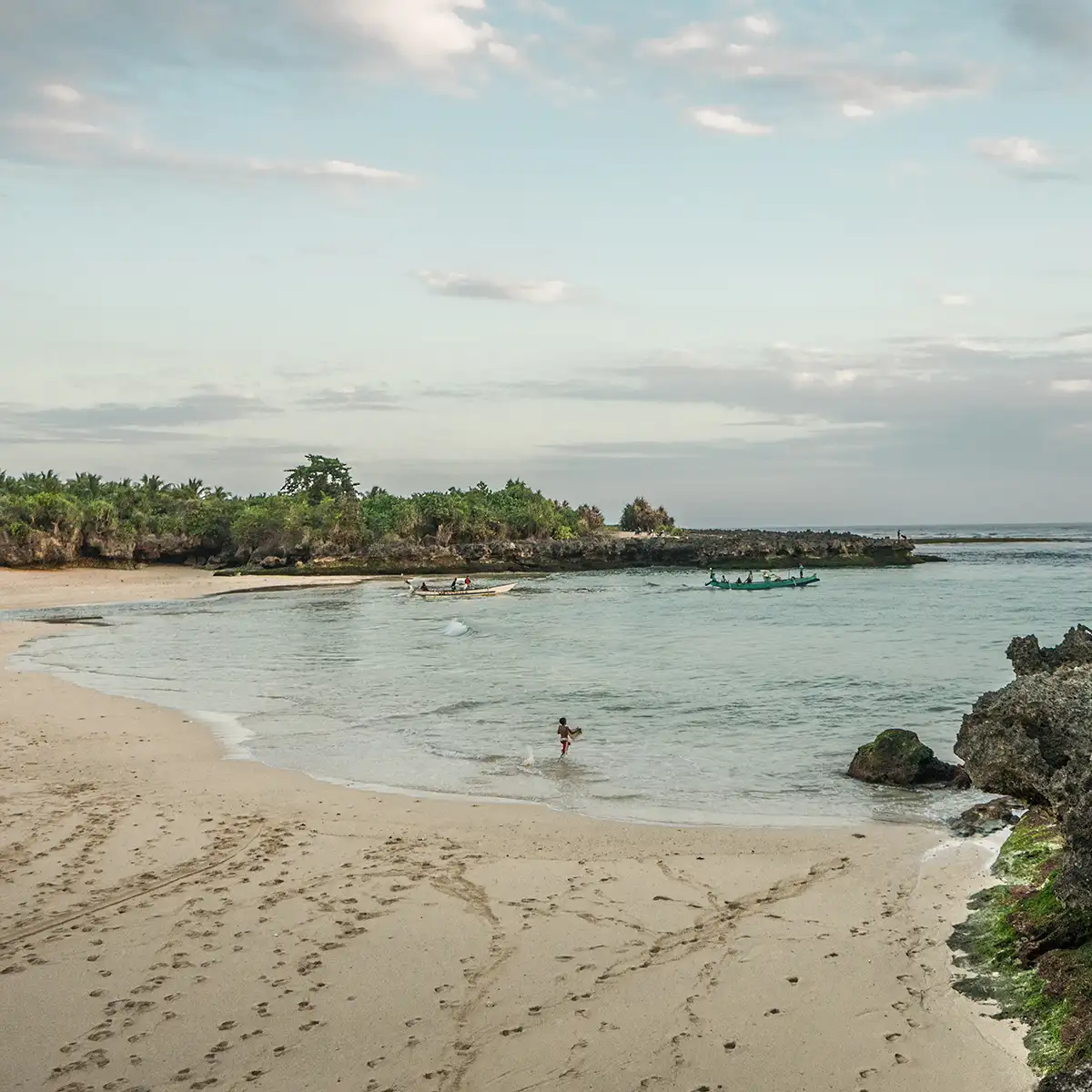
The late afternoon light in Seminyak filters through the palms, casting long shadows over the infinity pool. Another perfect Bali sunset is imminent, the kind that fills social media feeds and postcards. Yet, for a certain type of traveler, the gloss of southern Bali can begin to feel routine. The question arises: what lies beyond? For those seeking an experience rooted in something more ancient and untamed, the answer lies an hour’s flight to the east. The destination is Sumba, an island where time is measured not by the DJ’s setlist, but by the harvest of sea worms and the thundering hooves of ritual battle. See also: book Contact.

The primary challenge for anyone contemplating this transition from Bali to Sumba island is not one of distance, but of knowledge. Sumba does not reveal its secrets easily. Its logistics are opaque, its cultural calendar is dictated by animist priests, and its infrastructure is concentrated in exclusive pockets of profound luxury. This guide addresses the critical questions of timing and transit, providing a clear framework for planning an extension from Denpasar to an island that remains one of Indonesia’s most enigmatic and rewarding frontiers.

The Sumba Proposition: Beyond Bali’s Well-Trod Paths

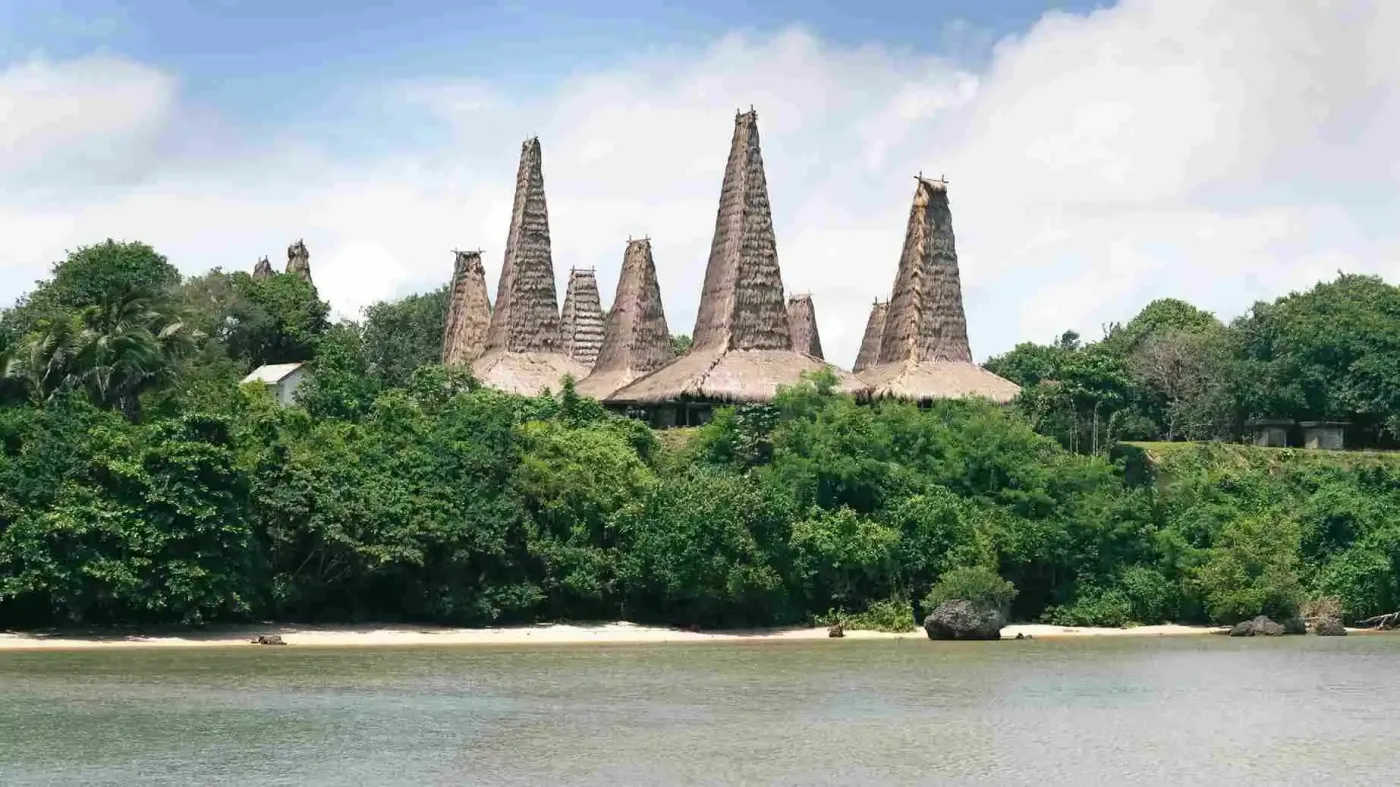
To understand the appeal of a Sumba from Bali itinerary is to understand its fundamental contrasts. Where Bali is largely Hindu, Sumba is the last major bastion of the indigenous Marapu religion, an animist belief system centered on ancestor worship that visibly shapes the landscape. Villages are built around megalithic stone tombs, and the soaring, thatched roofs of its traditional clan houses, or uma mbatangu, pierce the skyline, acting as conduits between the worlds of the living and the spirits. These structures are not relics; they are the active heart of Sumbanese life.

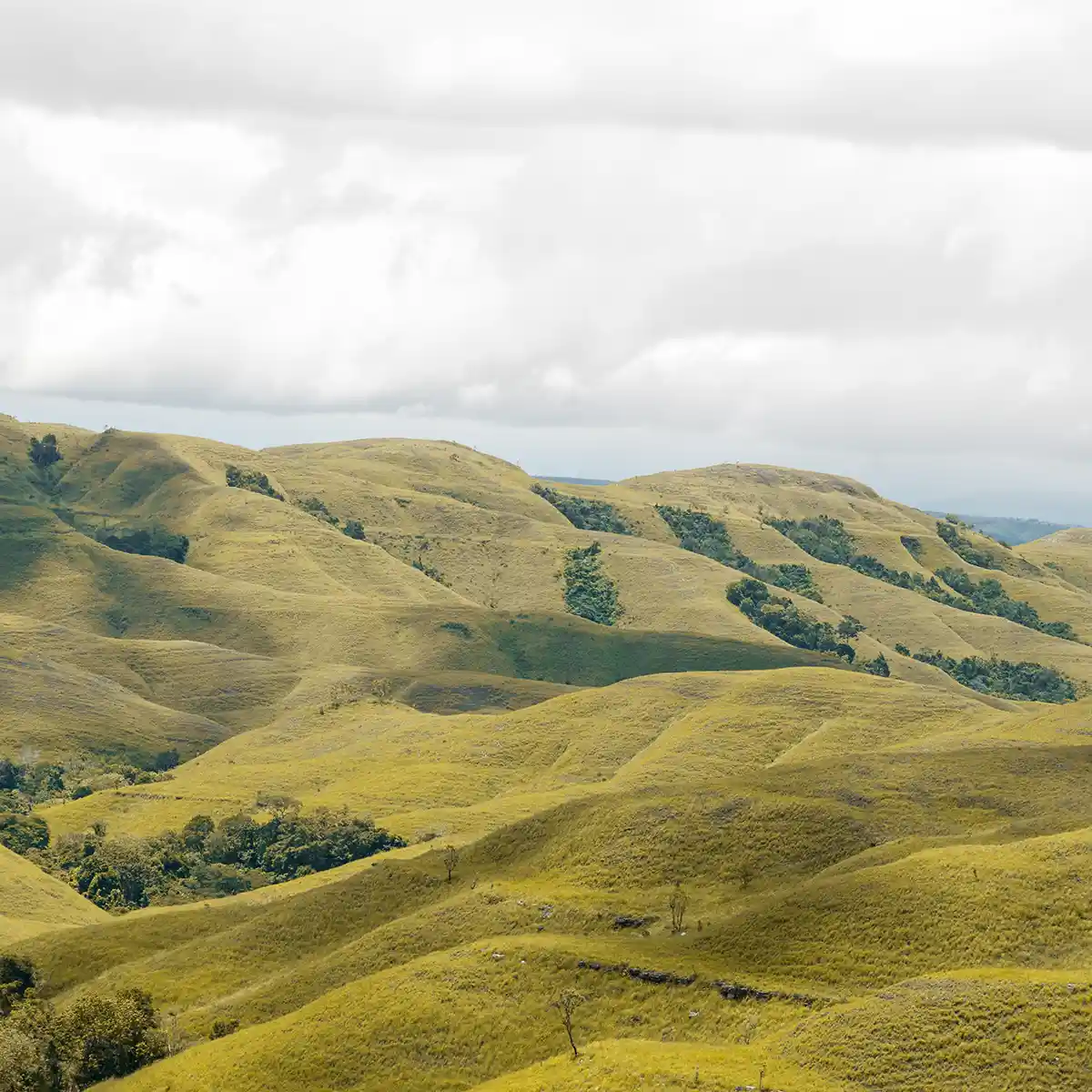
The island itself is geographically bisected. West Sumba, serviced by Tambolaka Airport (TMC), is characterized by rolling green hills, pristine white-sand beaches, and a higher population density. This is where you will find the celebrated resorts of Nihi Sumba and Lelewatu. East Sumba, reached via Waingapu Airport (WGP), presents a dramatically different landscape of arid, sprawling savannahs, reminiscent of the African plains, dotted with herds of the island’s famously resilient Sandalwood ponies. The East is also a center for the island’s revered and intricate ikat weaving traditions. A journey from Denpasar to Sumba requires a choice: the concentrated coastal luxury and cultural access of the West, or the vast, dry landscapes and textile heritage of the East.

Navigating the Bali to Sumba Transit Corridor

The only practical method for traveling from Bali to Sumba is by air. All flights originate from Bali’s Ngurah Rai International Airport in Denpasar (DPS). The flight itself is brief, typically lasting between 60 and 90 minutes, but the choice of destination airport on Sumba dictates the entire logic of your itinerary. There are no direct commercial boat services suitable for travelers between the two islands. See also: Bali to Sumba Travel Guide.

The primary carriers for the bali sumba flight route are Wings Air (part of the Lion Air group) and occasionally NAM Air. These airlines operate ATR 72 turboprop aircraft, a common workhorse for inter-island travel across the Indonesian archipelago. Expect a baggage allowance of around 10-20kg, with fees for surfboards and excess weight. One-way fares typically range from USD $80 to $200, but can escalate significantly during peak periods like the Pasola festival or the July-August high season. Booking several weeks, or even months, in advance is highly recommended.

Your two airport options on Sumba are:

  • Tambolaka Airport (TMC) in the Southwest. This is the gateway to West Sumba and the preferred airport for guests of Nihi Sumba and Lelewatu Resort. The drive from TMC to these properties is approximately 90 minutes through scenic, rural landscapes.
  • Waingapu Airport (WGP) in the East. This airport serves the island’s largest town, Waingapu, and is the entry point for exploring the eastern savannahs, the ikat weaving villages of Rende and Kaliuda, and the stunning Tanggedu Waterfall.

Airport Comparison: Tambolaka (TMC) vs. Waingapu (WGP)

Feature Tambolaka (TMC) – West Sumba Waingapu (WGP) – East Sumba
Primary Airlines (from DPS) Wings Air, NAM Air Wings Air
Proximity to Premier Resorts Ideal for Nihi Sumba, Lelewatu (approx. 90-min drive) Not practical for West Sumba resorts (4-6 hour drive)
Key Attractions Ratenggaro & Praiijing villages, Weekuri Lagoon, Lapopu Waterfall, southern beaches Prailiu Village, Walakiri Beach (dancing trees), Tanggedu Waterfall, ikat weaving centers
Landscape Greener, rolling hills, coastal cliffs Arid savannahs, limestone hills
Best For Luxury resort stays, cultural village tours, and Pasola festival access in Lamboya/Kodi Ikat enthusiasts, landscape photographers, overland adventures

Timing Your Expedition: The Pasola Festival (February – March)

For many, the primary catalyst for a trip to Sumba is the Pasola festival. This is not a tourist spectacle but a series of ancient, often violent, ritual battles. Taking place in February and March, Pasola involves two teams of colorfully attired horsemen from different villages charging at one another on an open field, hurling blunt wooden spears (hola). The ritual is intrinsically linked to the Marapu cosmology and the annual arrival of the nyale, a multicolored sea worm. The appearance of the worms, read by the Marapu priests, or Rato, signals the start of Pasola and is believed to guarantee a prosperous harvest. Bloodshed, both human and animal, is considered essential to fertilize the land.

According to Dr. Julian Sidharta, an anthropologist who has studied Sumbanese traditions for over 15 years, “Pasola is a complex social and religious event. It resolves communal tensions and appeases the ancestral spirits. Its timing is intentionally fluid, determined by the Rato’s reading of the lunar cycle and natural omens, making it a significant logistical challenge for outside visitors.” See also: Bali to Sumba Travel Guide About.

Planning a Bali to Sumba island trip around Pasola requires flexibility and advance preparation. The exact dates are often announced only a few weeks prior. The main events occur in four districts in West Sumba: Wanokaka, Lamboya, Kodi, and Gaura. Resorts like Nihi and Lelewatu have deep local connections and are the best sources for predicting and arranging access to the festivals. Expect flight prices from Denpasar to Tambolaka to exceed USD $300 during this period, and accommodations must be secured up to a year in advance.

The Dry Season Advantage: April to October

While Pasola is a powerful draw, the most reliable and comfortable time to travel from Bali to Sumba is during the dry season, which runs from April through October. During these months, the island’s climate is superb, with minimal rainfall, lower humidity, and average daily temperatures around 28°C (82°F). The landscapes of West Sumba are still lush from the preceding wet season, while the eastern savannahs turn a magnificent golden brown.

This period is ideal for the island’s other marquee activities. The ocean is typically cleaner, and the surf swells that attract riders to Nihi’s famed private break, “Occy’s Left,” are at their most consistent from June to September. It is the perfect time for:

  • Exploring the megalithic tombs and high-roofed houses of traditional villages like Ratenggaro and Praiijing without the hindrance of muddy paths.
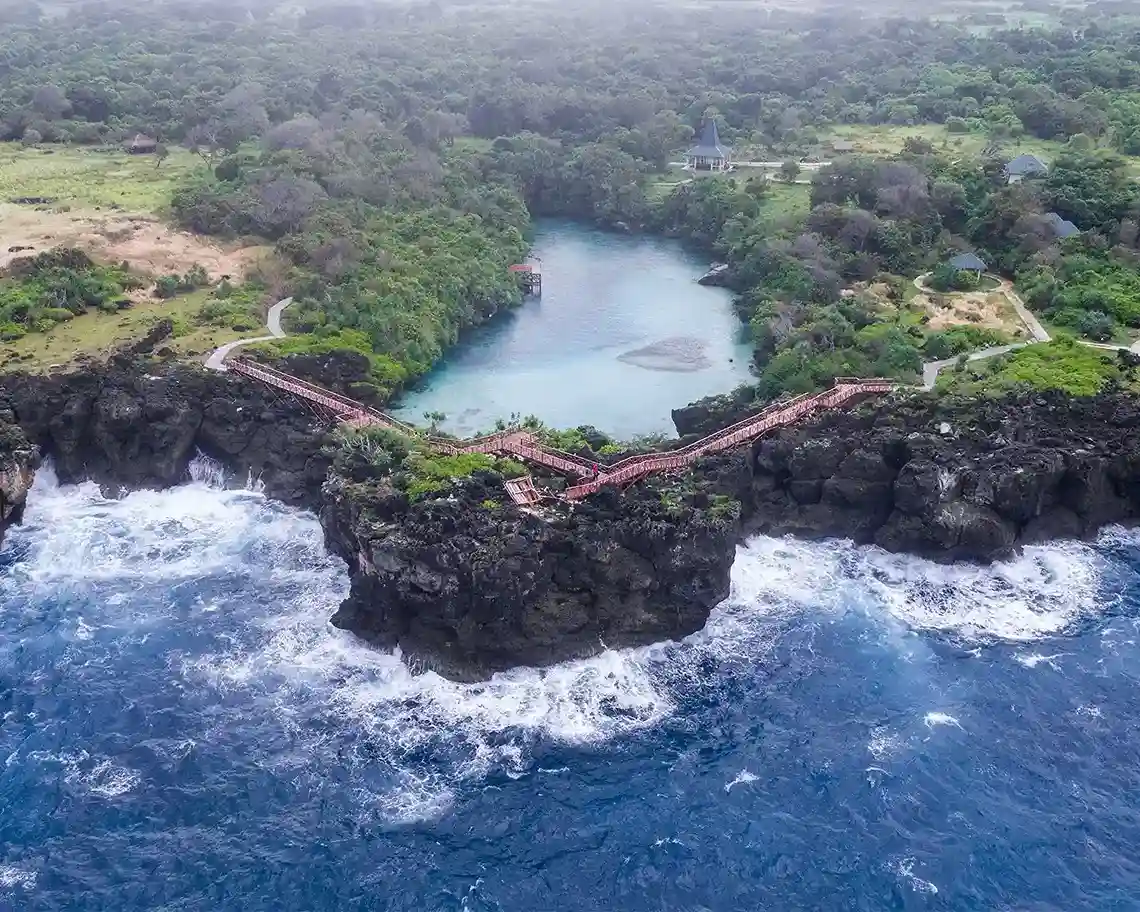
  • Visiting the otherworldly Weekuri Lagoon, a crystal-clear saltwater tidal pool separated from the ocean by a rocky outcrop.
  • Trekking to waterfalls like Lapopu in the west or Tanggedu in the east, which flow impressively year-round.
  • Horseback riding along the vast, empty beaches of the southern coast, a signature experience offered by many high-end properties.

The shoulder months of April, May, and October often provide the best balance of excellent weather, fewer visitors, and more competitive pricing for both flights and accommodation. See also: book Sumba Cultural Tour.

Sumba’s Premier Enclaves: Nihi and Lelewatu

The journey from Denpasar to Sumba for many high-end travelers culminates at one of two exceptional properties that have defined luxury on the island. While both offer privacy, impeccable service, and deep connections to Sumbanese culture, they cater to slightly different sensibilities.

Nihi Sumba, located in the Hobawawi area, began as a rustic surf lodge for a few intrepid surfers who discovered its perfect left-hand break. It has since evolved into one of the world’s most acclaimed resorts, a collection of 28 private villas crafted with local materials. Its ethos is “The Edge of Wildness,” blending high luxury with authentic, philanthropic-driven experiences through the Sumba Foundation. The Raja Mandaka estate, with its five villas and private pool, represents the pinnacle of its offerings. Rates at Nihi generally begin around USD $1,600 per night, inclusive of most meals and activities.

Lelewatu Resort Sumba is a more recent addition, perched on a cliffside overlooking the Indian Ocean near Wanokaka. Its 27 villas are distinguished by their dramatic Sumbanese-inspired architecture and private pools. Lelewatu places a strong emphasis on wellness and serene relaxation, offering a quieter, more contemplative atmosphere than Nihi. It provides an equally luxurious but perhaps more accessible entry point to the island, with rates starting from approximately USD $750 per night.

Resort Comparison: Nihi Sumba vs. Lelewatu Resort

Aspect Nihi Sumba Lelewatu Resort Sumba
Location Hobawawi, West Sumba (on a 2.5km private beach) Wanokaka, West Sumba (on a 10-hectare cliffside property)
Price Point (per night, approx.) Starts at USD $1,600+ Starts at USD $750+
Atmosphere Social, adventurous, “barefoot luxury” Serene, private, wellness-focused
Signature Feature Exclusive access to “Occy’s Left” surf break; Sumba Foundation Iconic Sumbanese architecture in every villa; Maraga Spa
Best For Active travelers, surfers, families, those seeking a community vibe Couples, honeymooners, travelers seeking tranquility and privacy

Actionable Steps for Your Bali to Sumba Itinerary

Planning this extension requires a methodical approach. First, decide on your priority: are you chasing the chaotic energy of Pasola, or do you prefer the serene, sunny days of the dry season? This decision will dictate your travel window. Second, choose your region and, by extension, your airport. For the premier resort experience, your destination is almost certainly Tambolaka (TMC). Third, secure your core logistics well in advance. This means booking your accommodation first, as properties like Nihi have limited availability, and then immediately booking your bali sumba flight. Liaise directly with your chosen resort; their concierge teams are invaluable resources for arranging airport transfers, cultural excursions, and providing the latest information on local events like Pasola.

A successful trip to Sumba is an investment. It is an exchange of the effortless convenience of Bali for something far more rare: a glimpse into a culture that remains profoundly connected to its land and ancestors. It is a journey worth the planning.

Bali to Sumba Travel Guide

For expert consultation and bespoke Sumba itinerary planning, contact our specialists.

Phone: +62 811-3941-4563

Email: bd@juaraholding.com

Office: Jalan Sunset Road No. 88, Kuta, Badung, Bali 80361, Indonesia