Bali to Sumba Cost: Flight + Resort + Cultural Tour Pricing
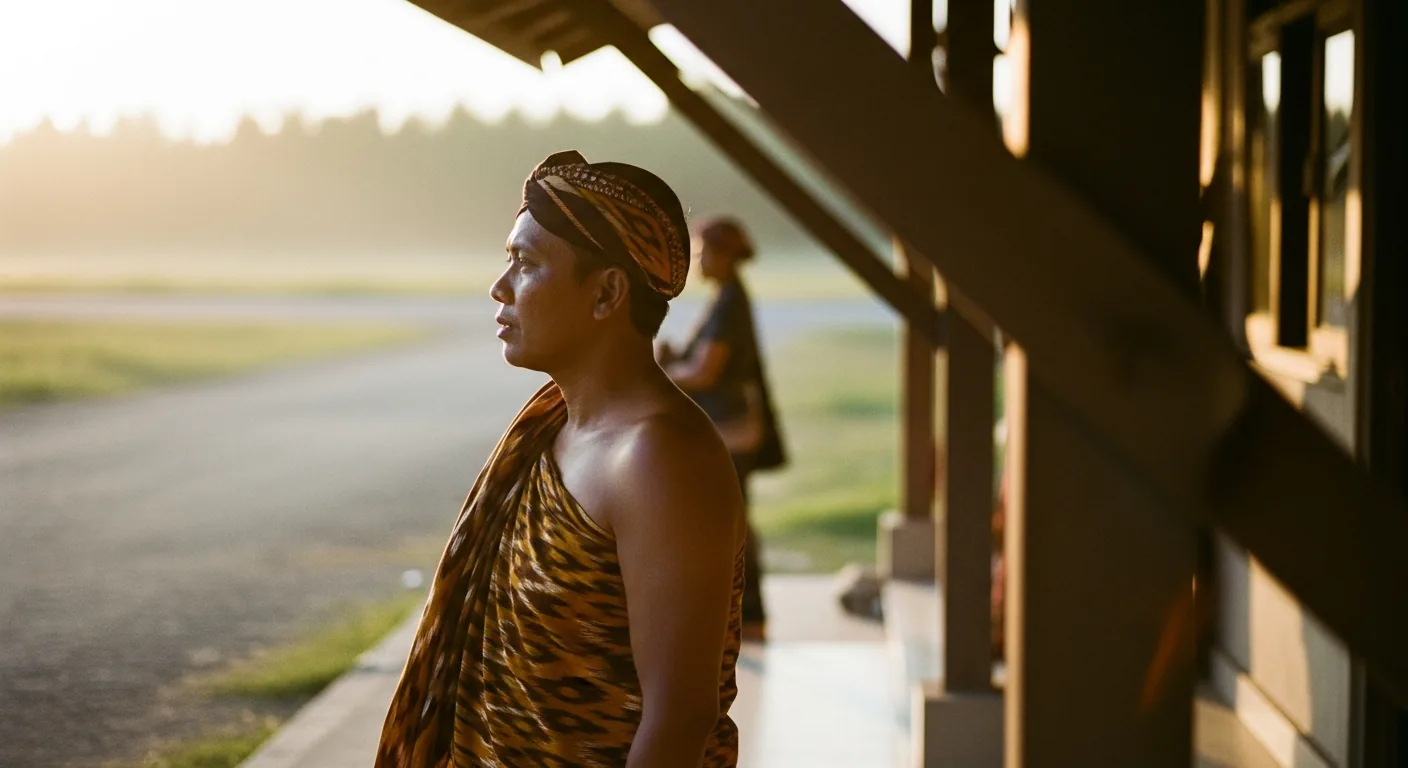
The hum of Seminyak fades. In its place, the mind conjures a different sound: the thunder of hooves on a dry savanna, the whisper of wind through tall, spear-like thatched roofs. This is the call of Sumba, an island less than 400 kilometers southeast of Bali, yet a world away in ethos and landscape. For the traveler who has experienced Bali and seeks a more profound, elemental Indonesia, the question is not if, but how. The primary obstacle is a perceived complexity in logistics and an opacity in cost. This guide deconstructs the transit from Denpasar to Sumba, providing a clear financial and practical framework for the journey.
The transition from Bali to Sumba island is more than a geographical shift; it’s a passage to an environment defined by ancient animist traditions, megalithic tombs, and a raw, undulating topography. Planning this extension requires a precise understanding of air travel, accommodation tiers, and the investment required for authentic cultural immersion. Here, we address the critical components of planning your Sumba expedition, from the Bali-Sumba flight details to the nightly rates at premier resorts and the cost of witnessing the island’s deep-rooted Marapu culture. See also: explore Sumba Resorts.
The Logistics: Denpasar to Sumba Flights Explained
The first step in any Bali to Sumba itinerary is the flight. Unlike the international nexus of Denpasar’s Ngurah Rai International Airport (DPS), Sumba is served by two smaller, domestic airports that dictate the orientation of your visit. Your choice of airport is the foundational decision that shapes your entire Sumba experience. The journey from Denpasar to Sumba is not arduous—a direct flight takes approximately 90 minutes—but it requires forethought. See also: Contact.
The primary air carriers for the Denpasar to Sumba route are Wings Air (a subsidiary of Lion Air Group) and NAM Air (part of Sriwijaya Air Group). These airlines operate daily flights, typically utilizing ATR 72 turboprop aircraft. While comfortable for the short hop, baggage allowances are often more restrictive than international flights, usually limited to 10-20kg checked luggage, a critical detail for divers or photographers. Flight costs fluctuate based on season and demand. A standard one-way ticket for a Bali-Sumba flight can range from $80 USD in the low season to over $250 USD during peak periods, such as the Pasola festival months of February and March or the July-August high season. See also: see Bali to Sumba Travel Guide’s About.
Your destination airport determines your landing point on Sumba island:
- Tambolaka Airport (TMC) in West Sumba is the gateway for travelers seeking the island’s most refined resorts, including Nihi Sumba and Lelewatu Resort. It provides direct access to the iconic landscapes and cultural villages of the Kodi and Wanokaka regions.
- Umbu Mehang Kunda Airport (WGP) in Waingapu, East Sumba, serves the island’s largest town. This region is known for its exceptional ikat weaving traditions, savanna-like hills, and a more rugged, less-developed tourism infrastructure.
For most travelers originating from Bali with a focus on premier resorts and the famous Pasola festival, Tambolaka (TMC) is the logical and more convenient entry point. The transfer from TMC to Nihi Sumba, for example, is a scenic 90-minute drive arranged by the resort. See also: Home.
| Feature | Tambolaka (TMC), West Sumba | Waingapu (WGP), East Sumba |
|---|---|---|
| Primary Airlines (from DPS) | Wings Air, NAM Air | Wings Air, NAM Air |
| Proximity to Premier Resorts | High (Nihi Sumba, Lelewatu Resort) | Low (Requires 3-4 hour overland transfer) |
| Access to Key Attractions | Pasola festival sites, Ratenggaro Village, Weekuri Lagoon | Prailiu Village (Ikat), Wairinding Hills, Puru Kambera Beach |
| Recommended For | Luxury resort stays and West Sumba cultural immersion | Ikat textile enthusiasts and overland island exploration |
Choosing Your Sumba Base: West vs. East and Premier Resorts
Once your flight from Bali to Sumba is determined, the next consideration is accommodation, which on Sumba, is an experience in itself. The island’s west has cultivated a reputation for discreet, high-design properties that integrate with the natural and cultural landscape. This is where the intent of your Sumba from Bali trip crystallizes.
Nihi Sumba, located in the Wanokaka area, is arguably the property that placed Sumba on the global map for discerning travelers. With its “The Edge of Wildness” philosophy, it offers more than luxury; it provides curated access. The resort is famed for “Occy’s Left,” a private surf break limited to 10 surfers at a time, and its deep community involvement through the Sumba Foundation. Accommodation consists of 27 private villas, from one-bedroom Marangga villas to the expansive five-bedroom owner’s estate, Raja Mandaka. Rates begin at approximately $1,545 USD per night per villa during the low season, operating on an all-inclusive basis that covers meals, non-alcoholic beverages, and a selection of activities. A minimum stay of 3 to 5 nights is often required.
A compelling alternative is Lelewatu Resort Sumba, perched on a cliffside with sweeping views of the Indian Ocean. Lelewatu offers a similar sense of privacy and luxury with a distinct Sumbanese architectural identity. Its 27 villas feature private pools and opulent interiors that blend local materials with modern comforts. The resort’s Maraga Spa is a standout, offering treatments inspired by Marapu rituals. Nightly rates for a one-bedroom villa start around $650 USD++, providing a more accessible price point for a comparable level of service and location in West Sumba. The journey from TMC airport to Lelewatu is approximately one hour.
East Sumba presents a different character. Accommodation here is more modest, centered around the main town of Waingapu. Properties like the Moruya House or Padadita Beach Hotel offer comfortable bases for exploring the region’s textile villages and rolling savannas, with rates typically falling in the $100-$200 USD per night range. The choice to base in the east is a commitment to a more independent, exploratory style of travel.
A Budget Breakdown: Sumba Trip Cost from Bali
To accurately project the cost of a trip to Sumba from Bali, it’s useful to itemize potential expenses for a typical 4-day/3-night stay. The total investment varies significantly based on your choice of accommodation, which is the largest single cost factor. The following table provides an estimated breakdown per person, assuming two people traveling together.
| Expense Category | Premium (Lelewatu-based) | Apex Luxury (Nihi-based) |
|---|---|---|
| Return Flights (DPS-TMC) | $300 – $500 USD | $300 – $500 USD |
| Accommodation (3 nights) | $1,100 – $1,500 USD | $2,500 – $4,000+ USD |
| Private Driver & Guide (2 full days) | $250 – $350 USD | Included in resort activities |
| Cultural Tours & Entrance Fees | $100 – $200 USD | Often included or arranged at cost |
| Food & Incidentals | $300 – $500 USD | Largely included (all-inclusive) |
| Estimated Total Per Person | $2,050 – $3,050 USD | $3,100 – $5,000+ USD |
Note: These figures are estimates. Nihi’s all-inclusive model simplifies budgeting, while a stay at Lelewatu or other properties requires accounting for meals, drinks, and activities separately. A private driver is essential for independent exploration, typically costing between $100 and $150 USD for an 8-10 hour day. This service is indispensable for island’s rugged roads to reach remote villages and natural sites.
The Marapu Tradition and The Pasola Festival: Sumba’s Cultural Core
The true value of a Sumba expedition lies in its cultural depth, rooted in the ancient Marapu religion. This animist belief system, centered on the worship of ancestors and spirits of the land, permeates every aspect of Sumbanese life. It is most visibly expressed through the island’s striking megalithic tombs and the unique architecture of its traditional villages, where high-peaked homes (Uma Mbatangu) are constructed as microcosms of the Marapu universe.
The most dramatic manifestation of Marapu tradition is the Pasola festival. This ritual, held annually in February and March in the Kodi and Wanokaka districts, is a ceremonial battle between two teams of colorfully adorned horsemen who hurl blunted wooden spears at one another. Far from being a mere spectacle, Pasola is a sacred rite intended to spill blood onto the soil, an offering to ensure a bountiful harvest. The timing is not fixed but determined by the arrival of the ‘nyale,’ a species of sea worm, which local priests (Rato) interpret as a signal from the ancestors.
As cultural anthropologist Dr. Lawrence Blair, a long-time resident of Indonesia, notes, “Pasola is not a performance for tourists; it is a living, high-stakes ritual that connects the Sumbanese to their land and ancestors in a way that has vanished from most of the world.” Attending Pasola requires careful planning, as Bali-Sumba flight prices and accommodation rates escalate dramatically during this period. Engaging a knowledgeable local guide is crucial for event respectfully and safely.
Beyond the Resorts: Curated Sumba Cultural Excursions
While the resorts provide a superb base, the essence of Sumba is found in its villages and landscapes. A well-planned excursion from your resort is a necessary component of any visit. A private vehicle and guide for the day will cost between $100-$150 USD.
- Ratenggaro Village: Located in the Kodi district, this coastal village is perhaps the most visually impressive. It features traditional houses with towering thatched roofs reaching up to 20 meters, set against a backdrop of the ocean and surrounded by ancient megalithic tombs. The entrance fee is a nominal donation, around 50,000 IDR ($3 USD).
- Weekuri Lagoon: A short drive from Ratenggaro, this is a remarkable saltwater lagoon. Its crystal-clear turquoise water is fed by the ocean through porous rock, creating a calm, iridescent swimming hole. A wooden diving platform adds a point of focus.
- Praijing Village: Situated in the highlands near Waikabubak, Praijing offers a panoramic view of a traditional settlement with dozens of homes. It provides a more structured visitor experience, with designated photo spots and local guides to explain the village layout and Marapu symbolism.
- Lapopu Waterfall: For a nature-focused excursion, the 90-meter Lapopu Waterfall within Manupeu Tanah Daru National Park is a powerful sight. The trek to the falls is moderate, and the spray from the cascade is a welcome respite from the heat.
A typical full-day tour from a West Sumba resort might combine a visit to Ratenggaro village in the morning with an afternoon swim at Weekuri Lagoon, offering a balanced immersion in both culture and nature.
Planning Your Transit: A Step-by-Step Guide
Executing the journey from Bali to Sumba island efficiently requires a structured approach. The process is straightforward if broken down into logical steps, ensuring a seamless transition from the familiar comforts of Bali to the wild allure of Sumba.
- Define Your Travel Window: The dry season, from May to October, offers the most pleasant weather. For a cultural focus, align your trip with the Pasola festival in February or March, but be prepared for higher costs and book several months in advance.
- Select Your Sumba Airport: For 90% of premium leisure travelers, Tambolaka (TMC) in West Sumba is the correct choice, offering proximity to Nihi Sumba and Lelewatu Resort. Book your Denpasar to Sumba flight accordingly.
- Book Air Travel Directly: Use the official airline websites (Lion Air for Wings Air) or a reliable Indonesian online travel agent like Traveloka to secure your Bali-Sumba flight. Booking at least 4-6 weeks in advance is recommended.
- Confirm Accommodation and Transfers: Secure your resort booking first. Premier properties like Nihi and Lelewatu will then arrange your airport transfers, removing a significant logistical hurdle. This service is typically included in the rate or offered for a set fee (approx. $100-$150 per vehicle).
- Arrange a Cultural Guide: While resorts offer excellent tours, for a more personalized experience, engaging an independent guide can provide deeper insight. Our specialists can connect you with experienced, English-speaking Sumbanese guides who can facilitate authentic village interactions.
Sumba is not an afterthought to a Bali holiday; it is a destination in its own right that rewards the prepared traveler with an experience of profound authenticity. The perceived barriers of cost and logistics are easily navigated with precise information and expert planning.
For bespoke Sumba itineraries, seamless transport arrangements from Bali, and access to the island’s most knowledgeable guides, contact our specialists. We translate your interest into a structured, memorable expedition.